
Saltwater Fish
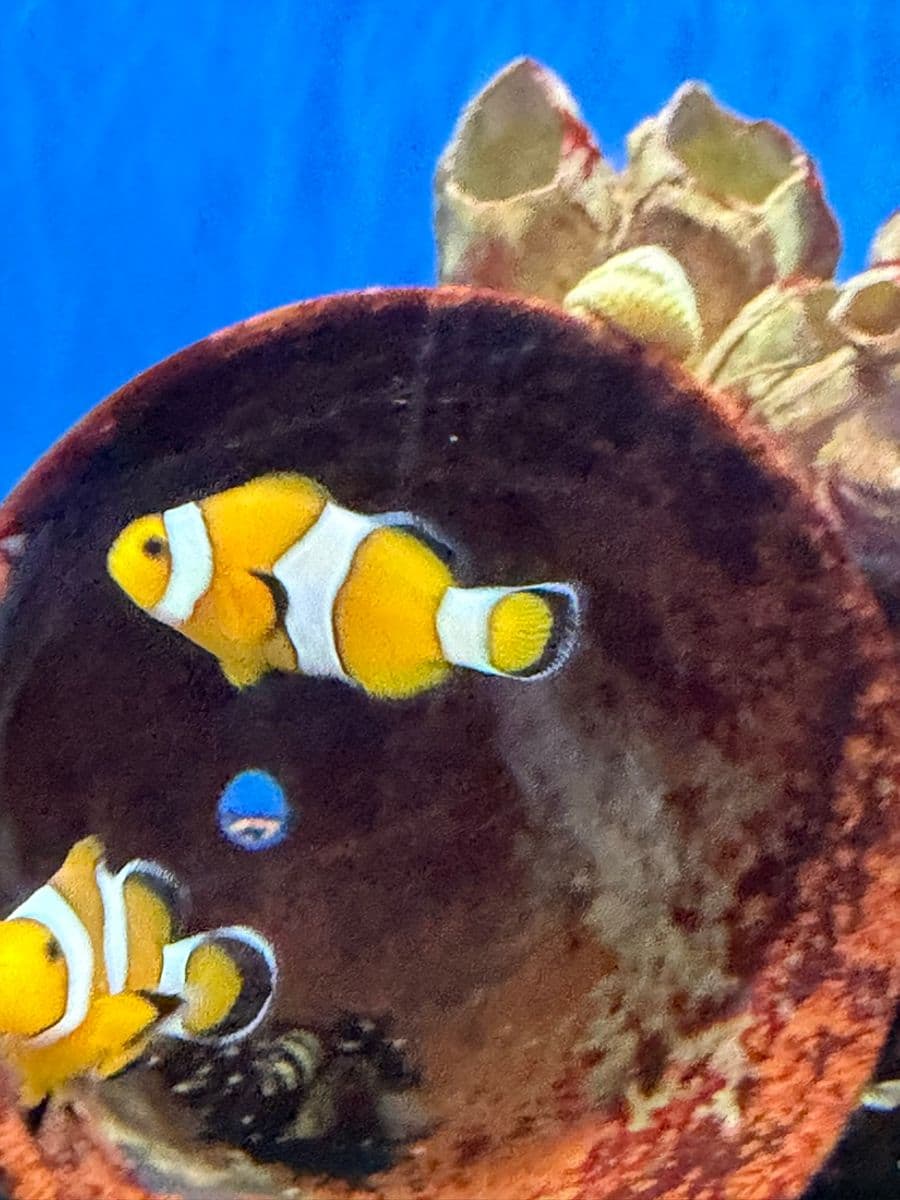
Percula Clown L.
A true percula clownfish, large size — bright orange with bold black-edged white bands. The original 'clownfish,' hardy and personable; beginner-friendly, reef-safe, and quick to host in an anemone or coral.
In-store purchase only. Live fish, coral, and invertebrates are sold at our Erie store only. They cannot be bought online, and we do not ship live animals under any circumstances.
Live fish are priced per supplier batch — prices may vary. Call to confirm current pricing.
- Condition
- new
- Fulfillment
- Local pickup — Erie, PA
Live animals are sold in store only — we do not ship fish, coral, or invertebrates. Every animal is acclimated and health-checked in-house before it reaches the sales floor. This is a species we carry — it's most likely in the tanks around delivery days, but live stock changes daily. Please call (814) 456-9445 to confirm availability before you drive in.
Care at a glance
What to know before you take one home.
- Care level
- Beginner
- Temperament
- Semi aggressive
- Adult size
- 3"
- Min tank size
- 30 gallons
- Diet
- Omnivore
- Scientific name
- Amphiprion percula
Good tank mates
True percula clownfish are peaceful and do well with other gentle reef fish such as firefish, grammas, small gobies, blennies, and tangs in a reef setting. House only one clown or a single bonded pair per tank to prevent fighting between rivals, and avoid mixing them with large predatory fish like lionfish, groupers, and eels, or with overly aggressive damsels.
Good to know
True perculas can be told from the very similar ocellaris by their thicker black outlines around the white bars and typically having ten dorsal spines rather than eleven.
Stock and individual temperament vary — call (814) 456-9445 for pairing advice before you buy.
Good tankmates
Plays well with.
Species we’d keep in the same tank, with why each pairing works. Stock and individual temperament vary — call (814) 456-9445 to confirm before you buy.
New to stocking a tank? Read our guide on which fish live together.
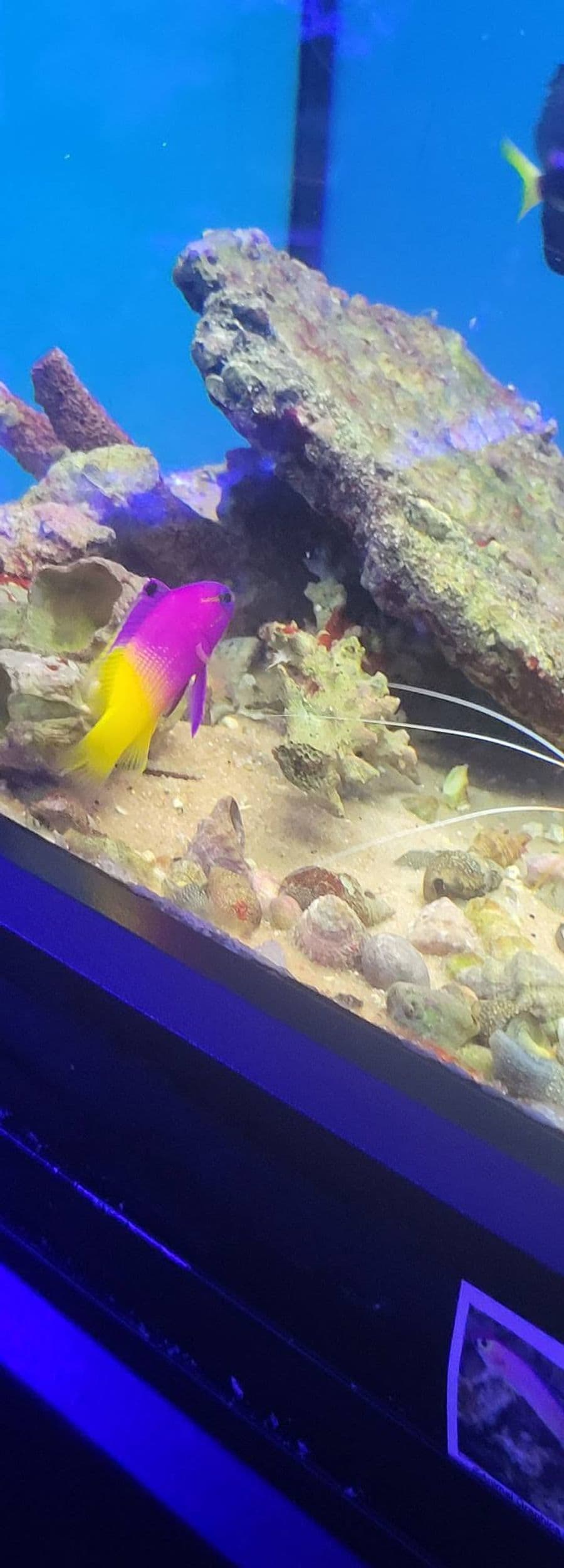
Royal Gramma
Reef-safe basslet that claims rockwork caves — a completely different niche from the open-water territory Percula clownfish patrol. Territorial skirmishes, when they occur, are with other cave-dwelling fish, not mid-water clownfish. Multiple sources including Aquarium Source and community reports on Reef2Reef confirm peaceful coexistence in mixed reef tanks.
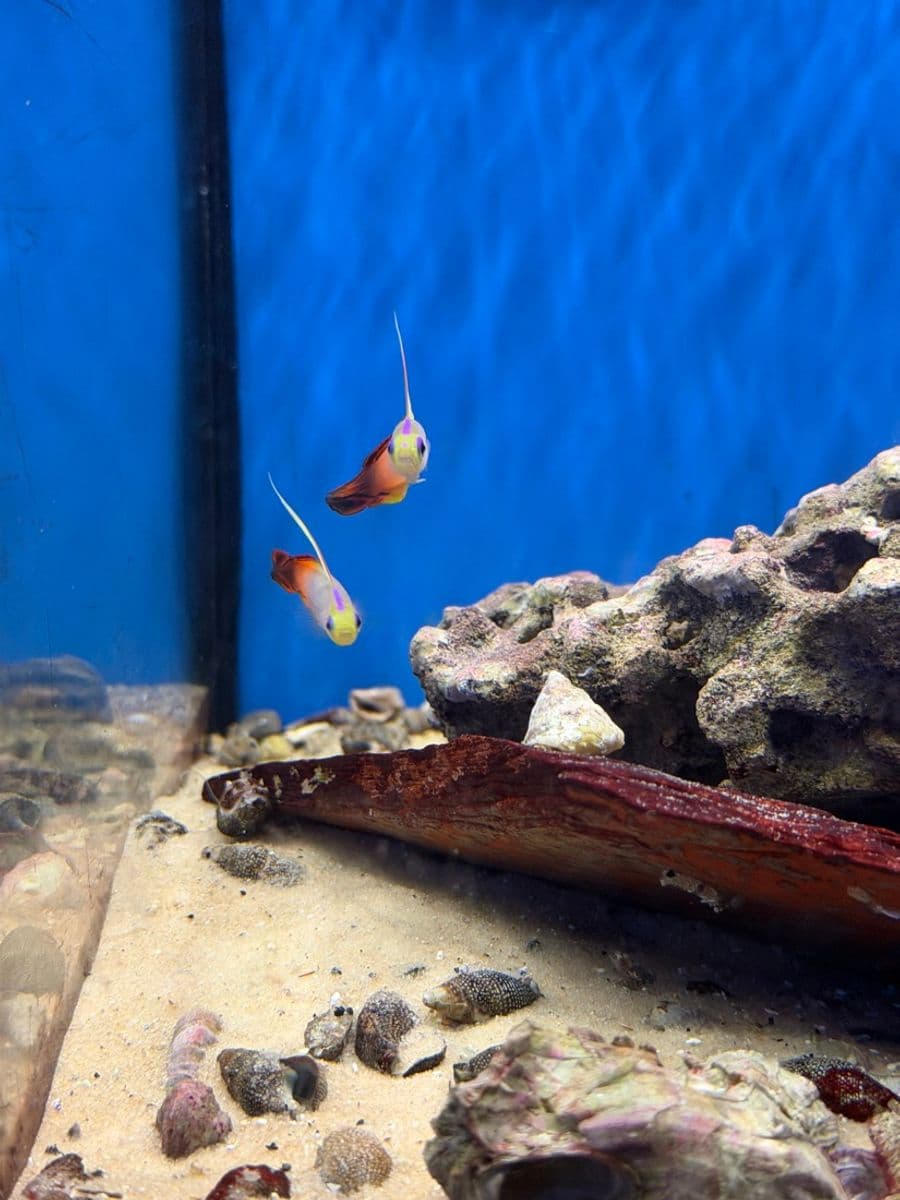
Firefish Goby
Peaceful, bottom-hugging fish with no territorial overlap with clownfish. The aggression caveat that exists in the literature applies specifically to large, aggressive clownfish species (maroon, tomato) — Percula are explicitly called out as one of the low-aggression species that firefish tolerate well. Stays near substrate and won't compete for space.
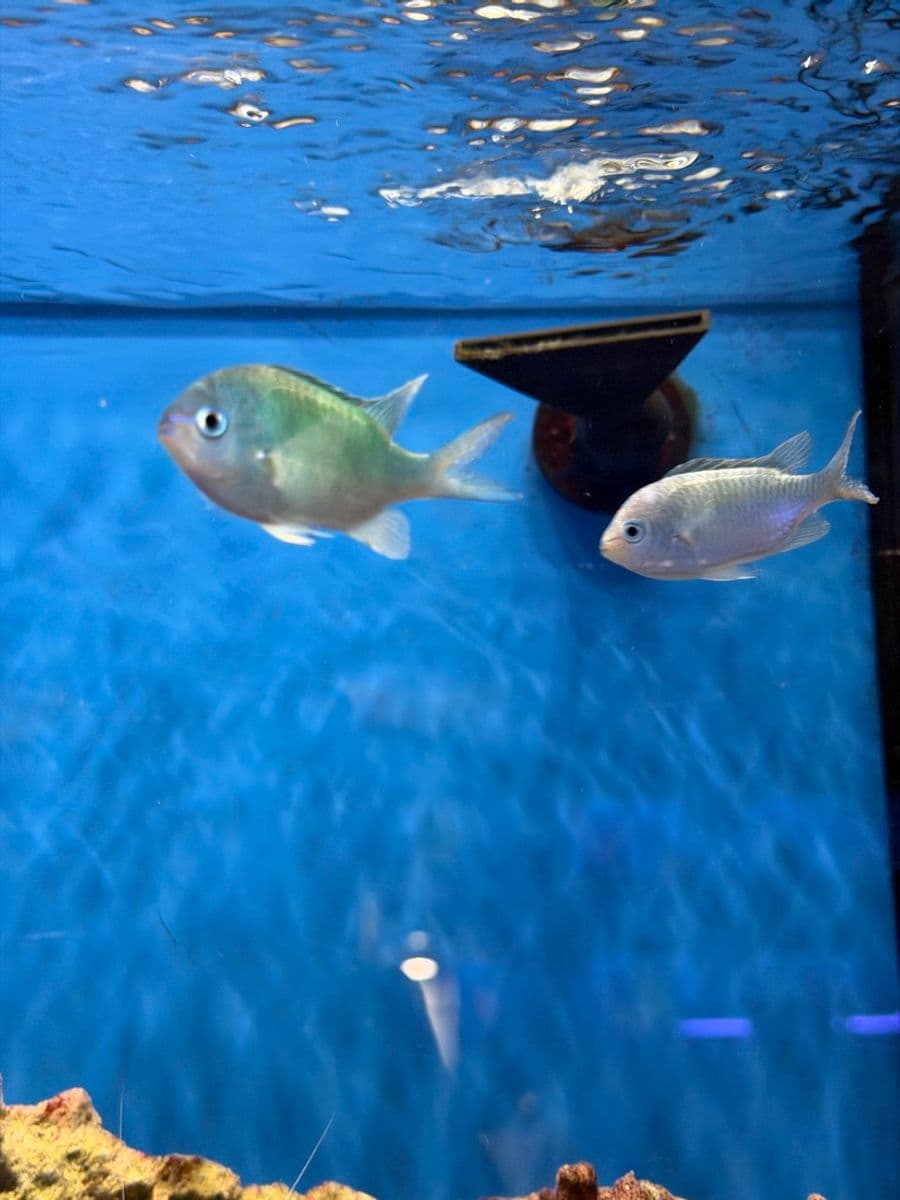
Green Chromis
One of the most peaceful damselfish toward other species, with cross-species aggression toward clownfish essentially undocumented. Their well-known aggression problem is strictly intraspecific — dominant chromis harass subordinates within their own school — and does not translate into any threat to Percula clownfish sharing the tank. Confirmed compatible across Aquarium Source, Reef2Reef, and Reef Central community discussions.
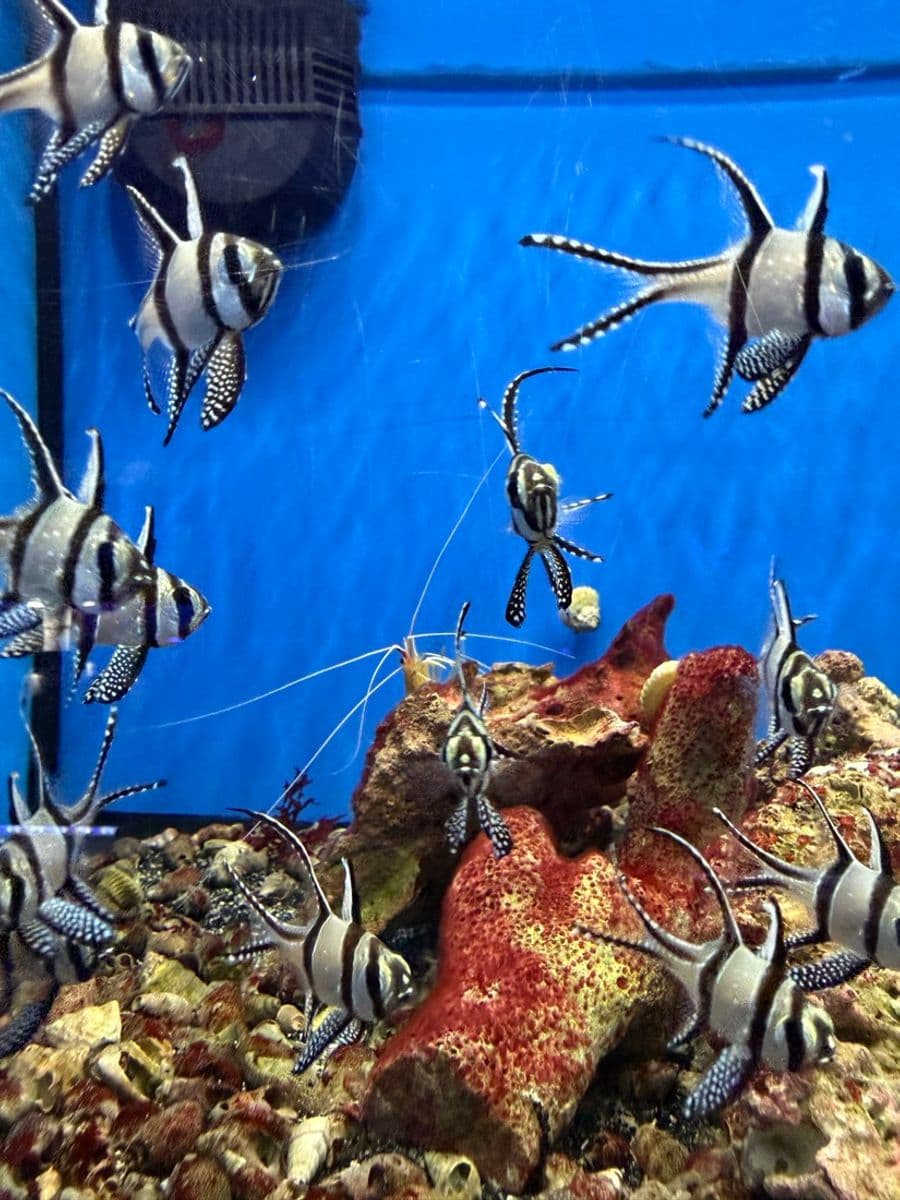
Banggai Cardinalfish
Slow-moving, passive fish that ignores clownfish entirely and focuses on hovering near rockwork. Intraspecific male-on-male aggression is the only documented concern and is irrelevant to a clownfish pairing. Reef-safe, same saltwater parameters, confirmed compatible by Saltwateraquariumblog and other published care guides.
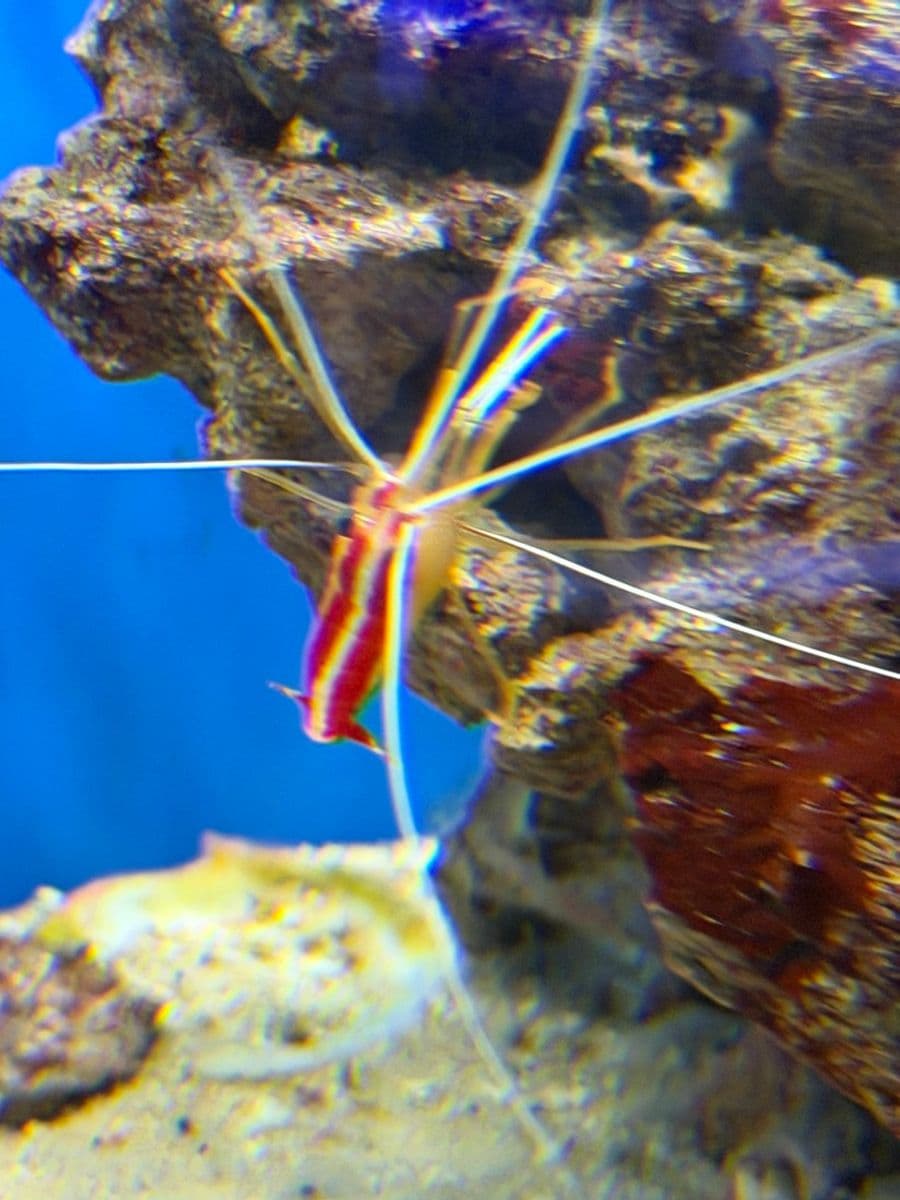
Skunk Cleaner Shrimp
Fully reef-safe with no aggression or predation risk in either direction — Percula clownfish do not eat shrimp, and the cleaner shrimp poses no threat to fish of any size. The cleaning-station behavior is actually beneficial: shrimp actively service fish in the tank, including clownfish, picking off parasites. Confirmed by Saltwateraquariumblog and other published care guides.
- T
Tailspot Blenny
Peaceful algae-grazer that occupies rockwork and substrate, posing no competition or aggression risk to clownfish in open water. Ecsenius blennies show occasional aggression only toward morphologically similar fish (other blennies); clownfish are dissimilar enough that no conflict is expected. Considered reef-safe when properly fed; conditional coral-nipping by underfed individuals is a husbandry note, not a fish-to-fish compatibility issue. Confirmed by Saltwateraquariumblog and other published care guides.
Visit the store
660 East 14th Street,
Erie, PA.
Mon–Fri 12–6 · Sat 11–4 · Sun closed. Call ahead on livestock — what's on the floor rotates.