What this covers
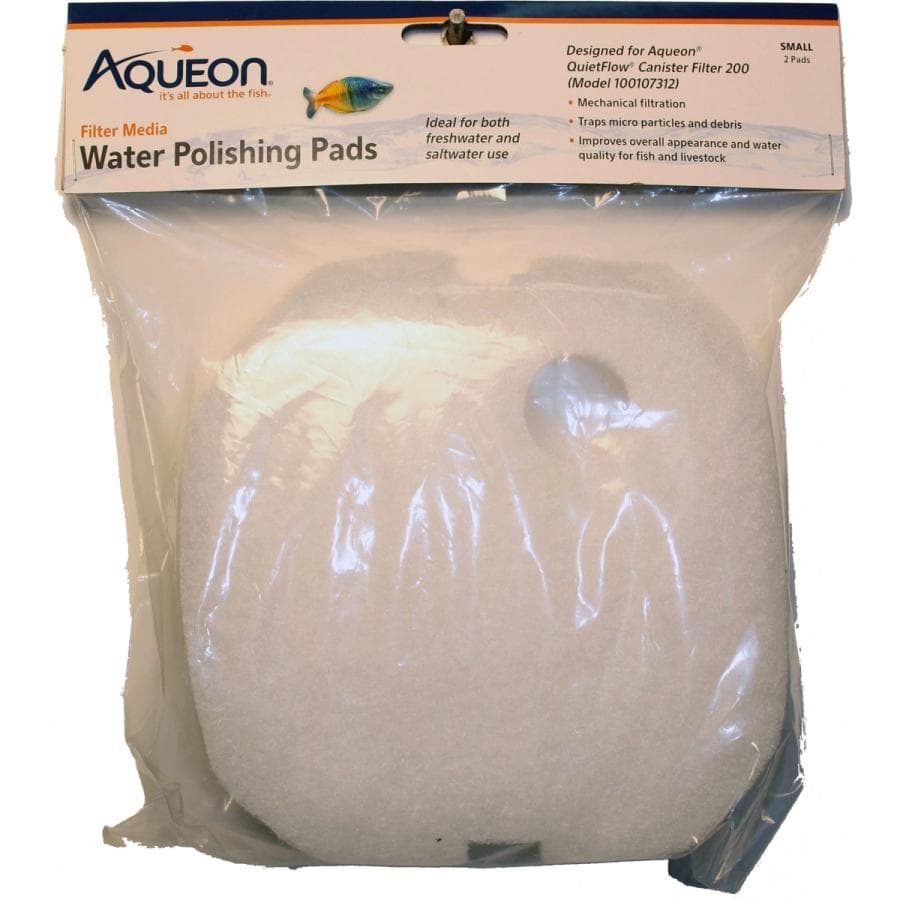
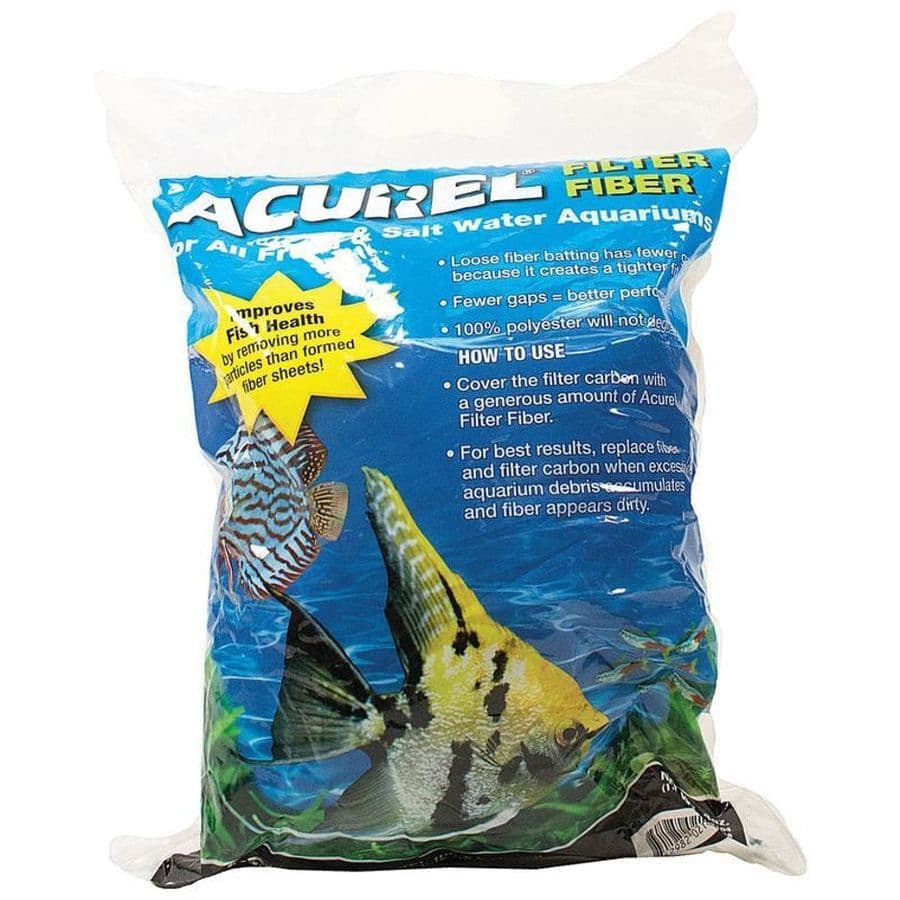
Mechanical filtration
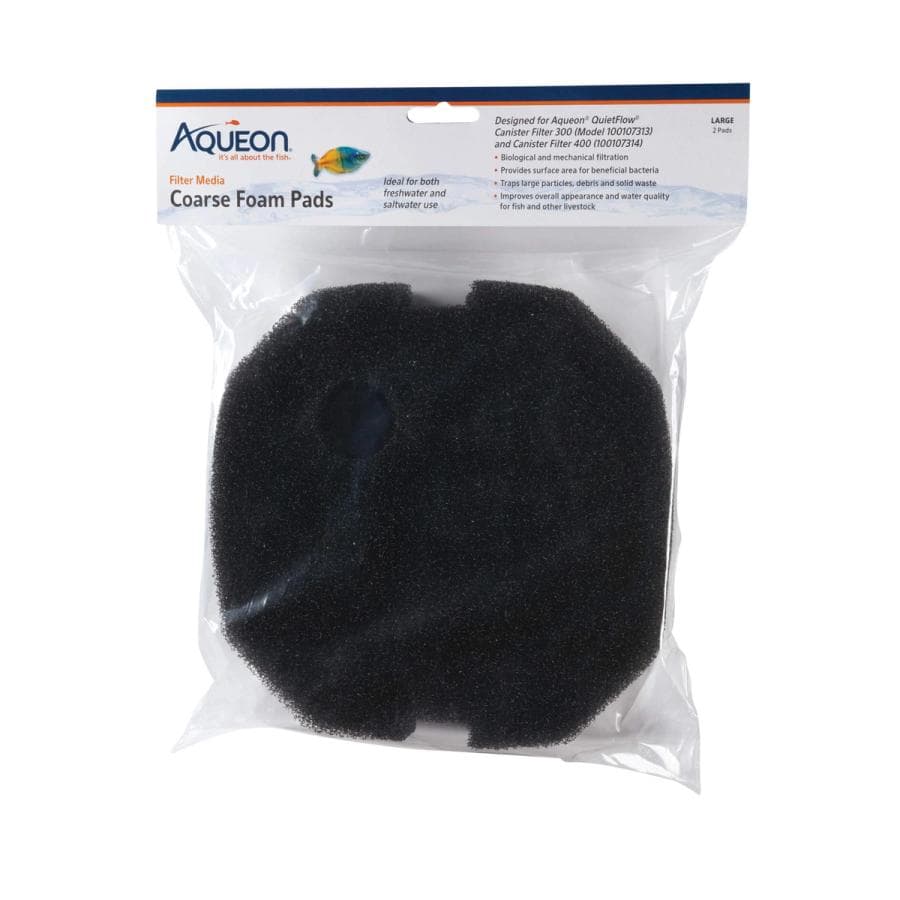
Straining waste, uneaten food and debris out of the water before it breaks down.
27 in the shop
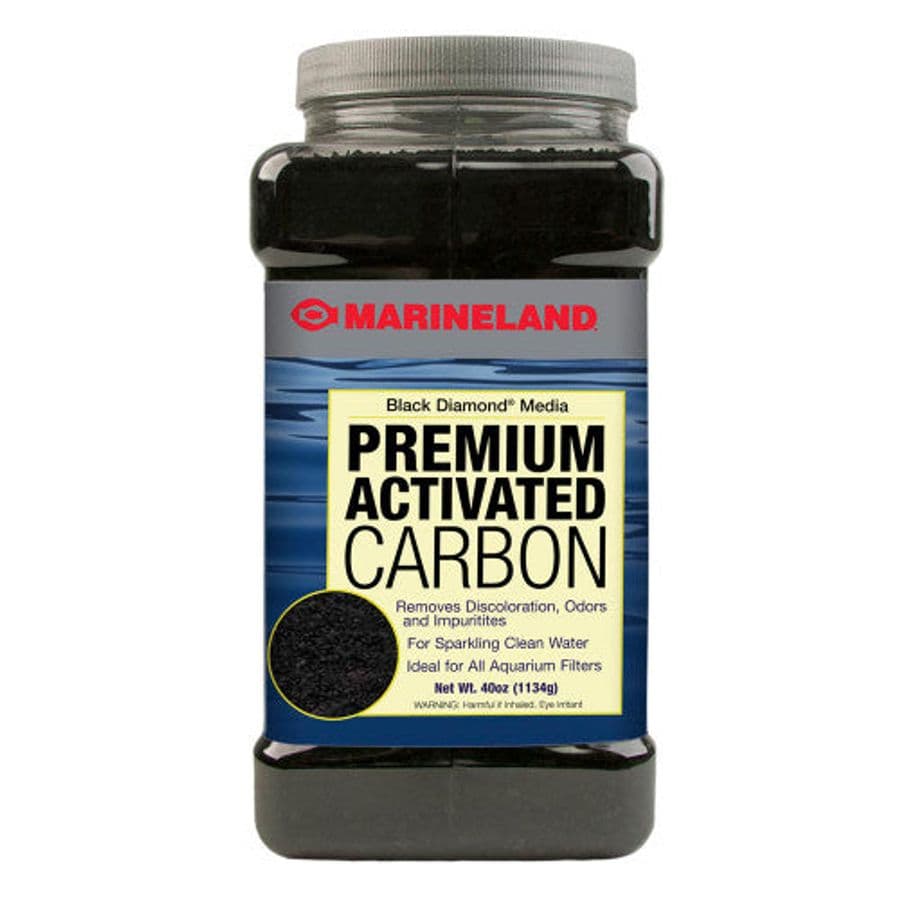
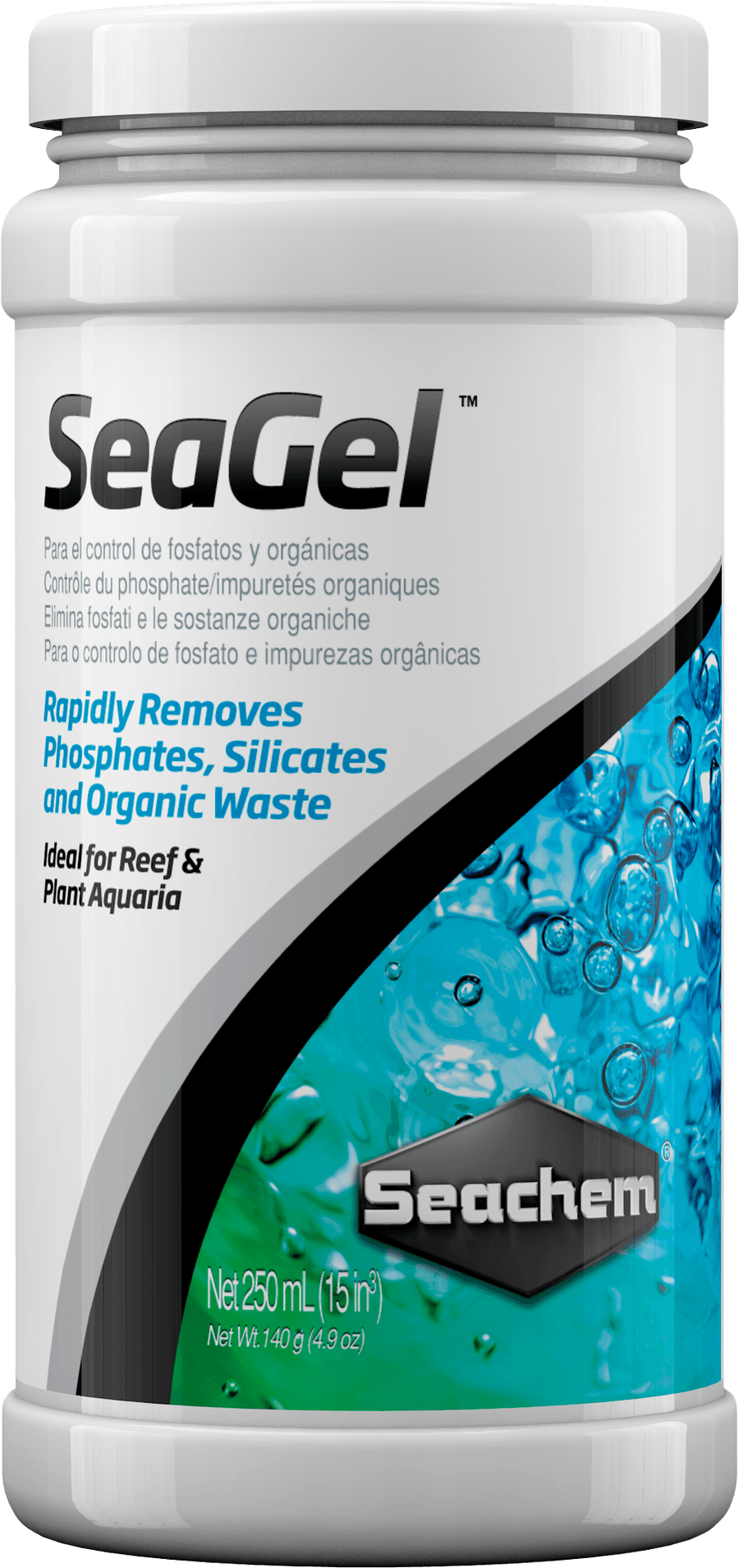
Chemical filtration
Media that grabs dissolved things a strainer can't catch, like odors and tint.
29 in the shop
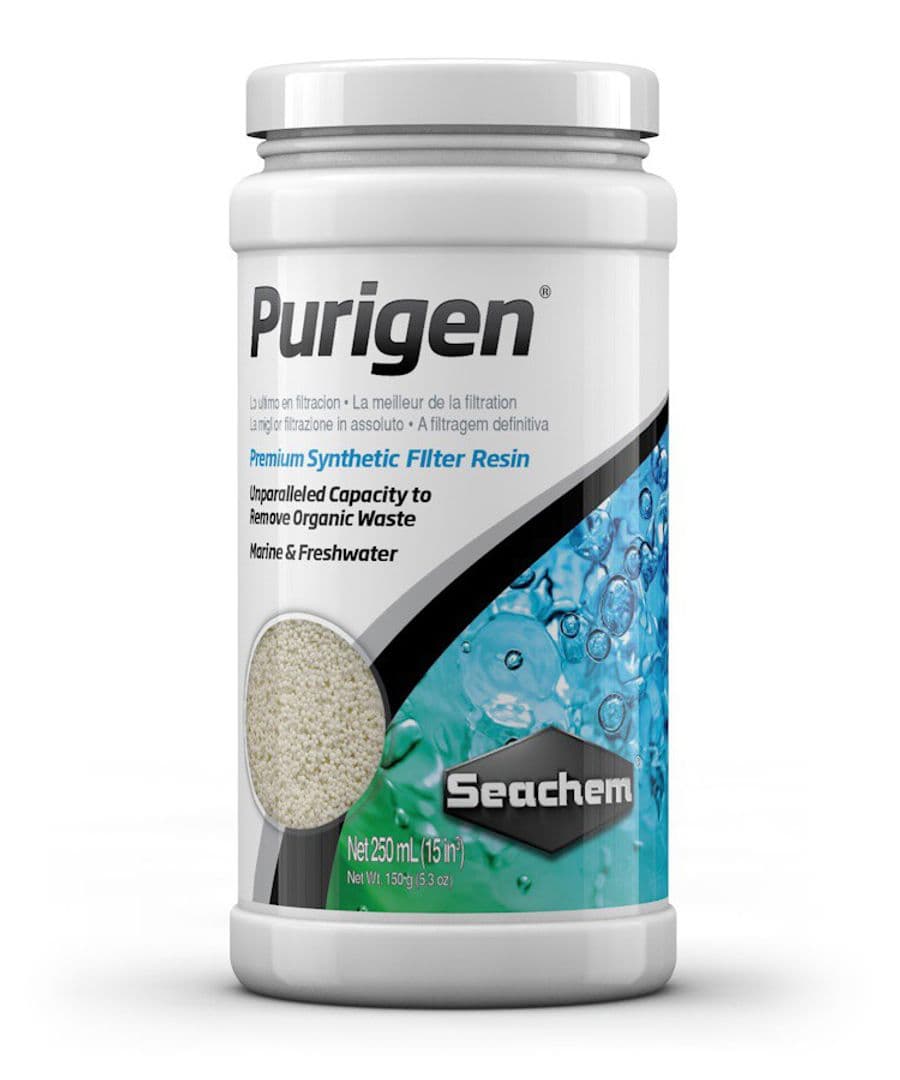
Water clarity
Clearing cloudy or hazy water and keeping it looking like glass.
13 in the shop
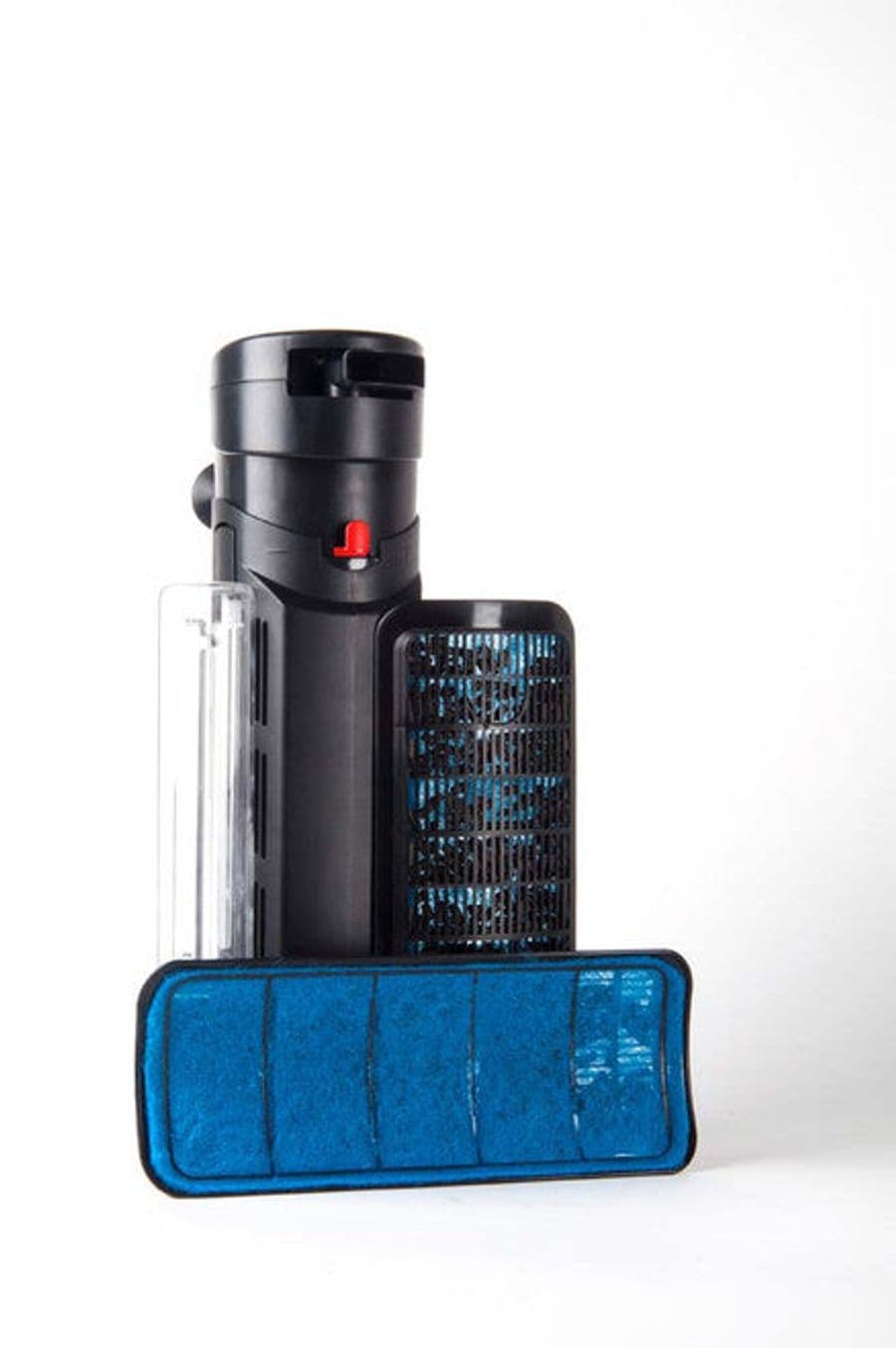
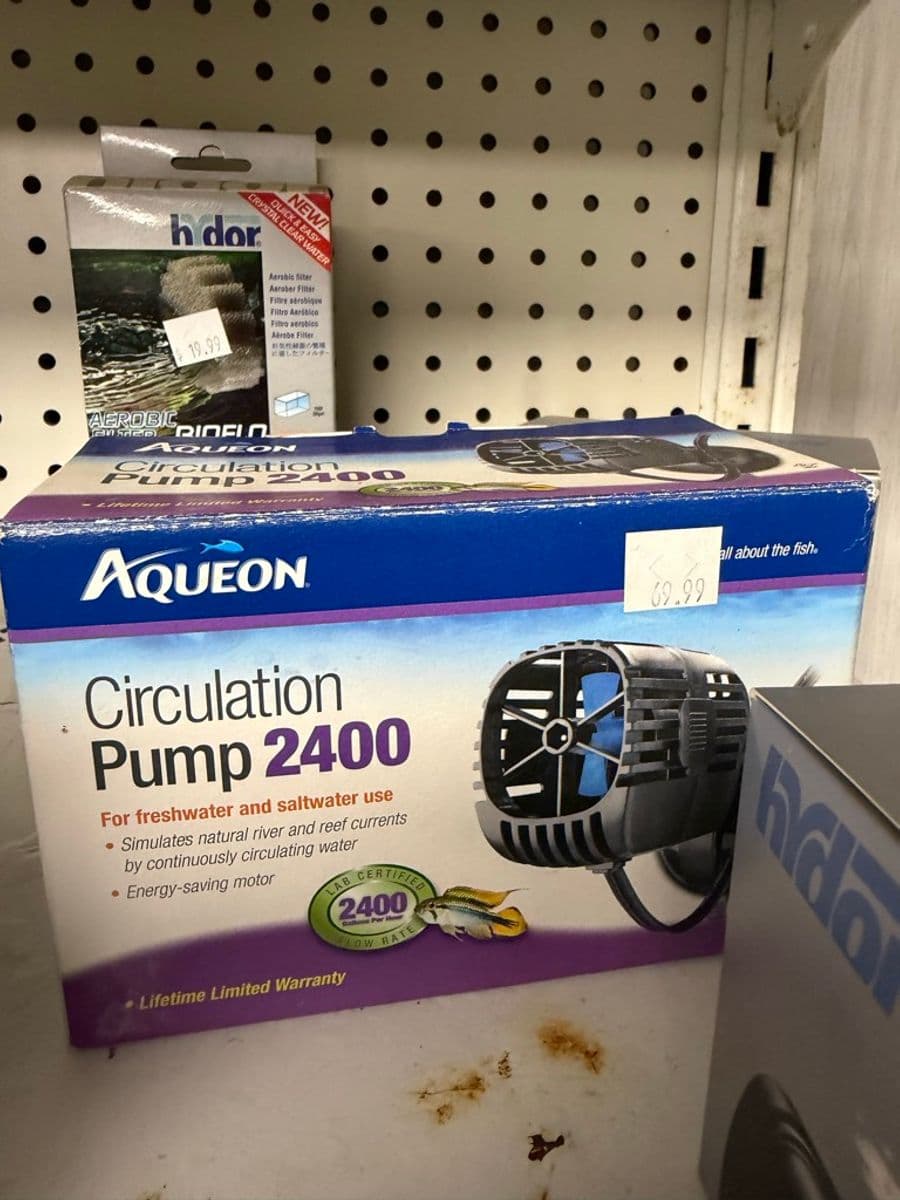
Circulation & flow
Moving the water around so there are no dead spots and oxygen gets everywhere.
24 in the shop
On a freshwater tank a sump is a nice upgrade. On a 125-gallon reef it's the heart of the system. Everything that keeps corals and saltwater fish alive moves down into a second tank under the stand: the protein skimmer, the heater, your biological and chemical media, the return pump. Down there it runs quiet and stays hidden, and you can service all of it without putting your hands in the display.
The payoff is stability. A reef hates swings, and 30-plus extra gallons of water in the sump buffers temperature, pH and salinity against every feeding and every evaporation. It also gives you the one thing freshwater never needs and saltwater can't live without: a place to run a protein skimmer.
This is the build we'd put together for a 125 ourselves. Every part on the list is something you can pick up from us in Erie, and the few things we don't stock yet are flagged honestly so you know to ask.
Why a reef sump has chambers (and a freshwater one doesn't)
If you've read our freshwater sump guide, we told you to skip the baffles. On saltwater, do the opposite. A reef sump is divided into chambers by glass or acrylic dividers, and each one has a job: water comes down from the display into the first chamber, passes through a bubble trap, runs over to the skimmer and media, then ends in the return-pump chamber that sends it back up.
Those baffles do two things that matter enormously on a reef and not at all on freshwater. They trap the micro-bubbles a skimmer throws off so they never get pumped into your display and frost the glass, and they hold a steady water level in the return chamber so your pump never sucks air. You can buy a sump that's already partitioned (we stock an acrylic sump/refugium that's ready to go) or have one built to your stand. Either way, the chambers stay.
Mechanical first: catch the gunk before it rots
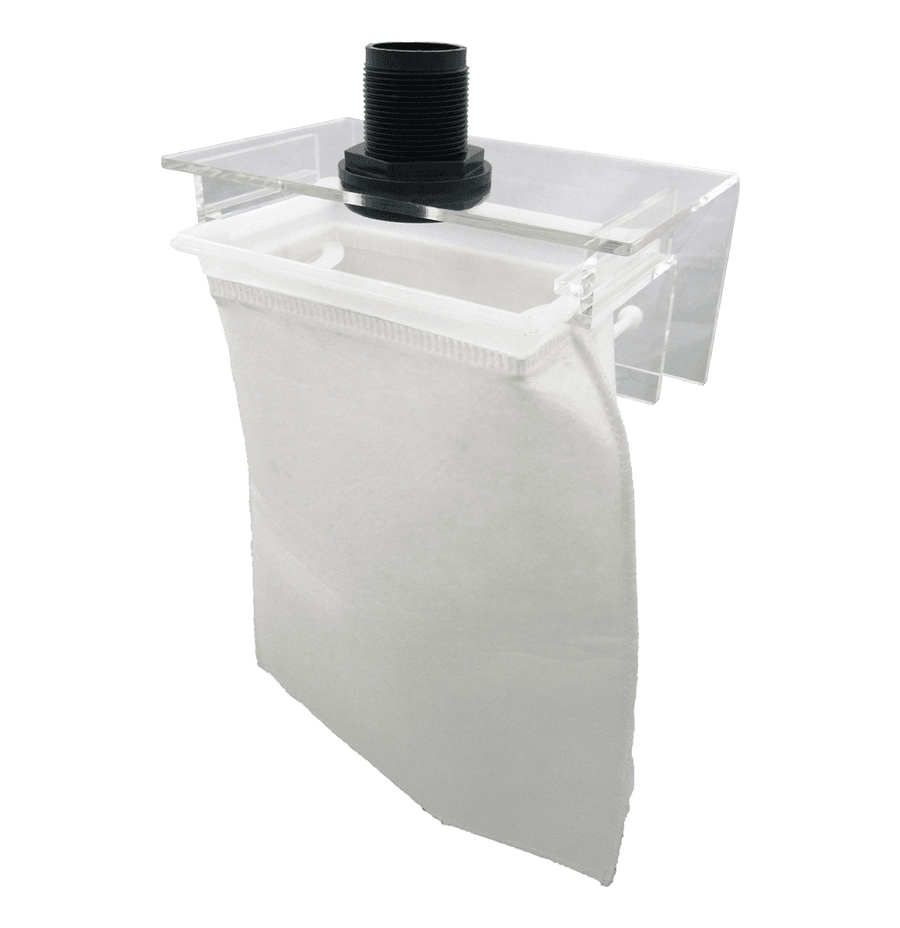
The water dropping down from the overflow hits a filter sock first — a fine 200-micron mesh bag that strains out fish waste, uneaten food and detritus before it can break down into nitrate and phosphate (the two things that feed nuisance algae in a reef). A sock holder clips to the sump wall and holds the bag open right under the incoming water. A tank this size needs the large holder rather than the small one.
Socks are the one consumable you actually swap on a schedule. Buy at least two so there's always a clean one ready while the other is in the wash, and rinse the dirty one before it dries into a brick. A clogged sock that overflows is one of the most common ways a sump dumps water on the floor.
The protein skimmer — the part only saltwater needs
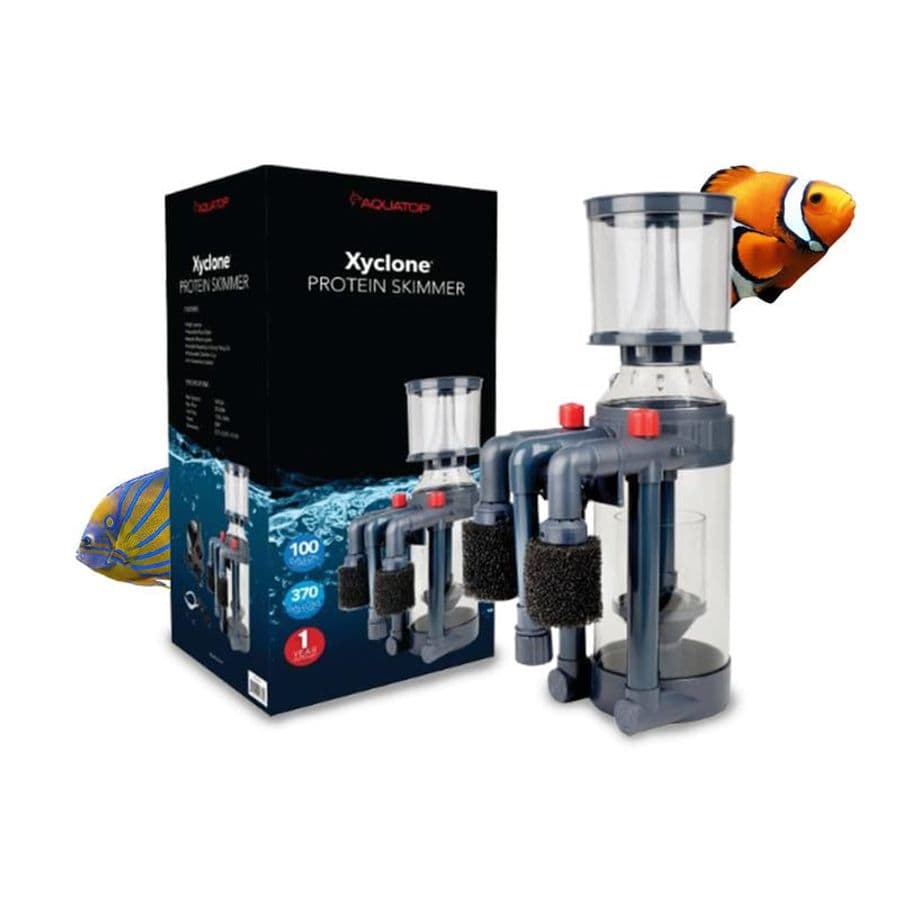
This is the piece that has no freshwater equivalent. A protein skimmer injects a column of fine bubbles into the water; dissolved organic waste sticks to those bubbles and rides up into a collection cup as a dark, foul skimmate you pour down the drain. It's pulling waste out of the water before it ever becomes nitrate, and on a heavily-stocked 125 reef it's doing more work than any other single piece of gear.
Size the skimmer to your real bioload; the tank's gallons alone don't tell you enough, because a lightly-stocked 125 and a fish-packed 125 want very different skimmers. The skimmer we stock (the Aquatop Xyclone) is rated to 100 gallons, which suits a lightly stocked system. For a fish-packed 125, tell us your stock list and we'll get the right size in for you rather than sell you the wrong one.
The media stack: biological, then chemical
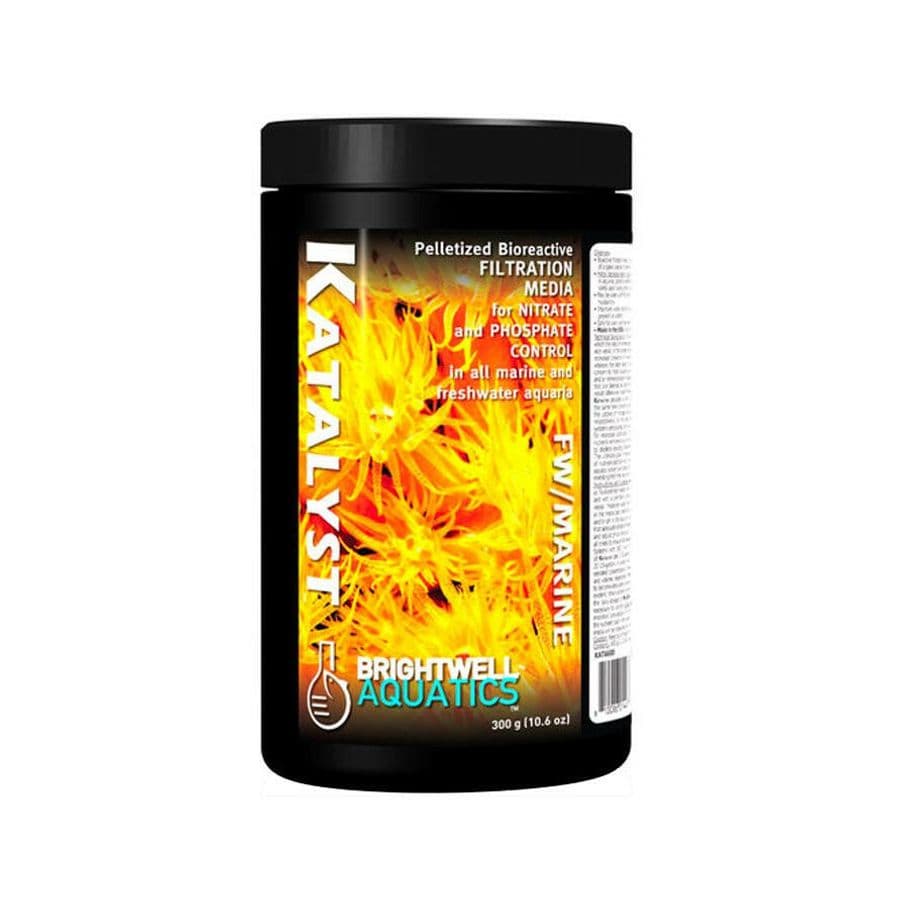
After the sock, water flows through your media. Biological media comes first: porous pelletized media that the beneficial bacteria colonize to convert ammonia and nitrite into nitrate. On a reef you pack in as much as the chamber allows; more surface area means more bacteria and a tank that shrugs off a big feeding.
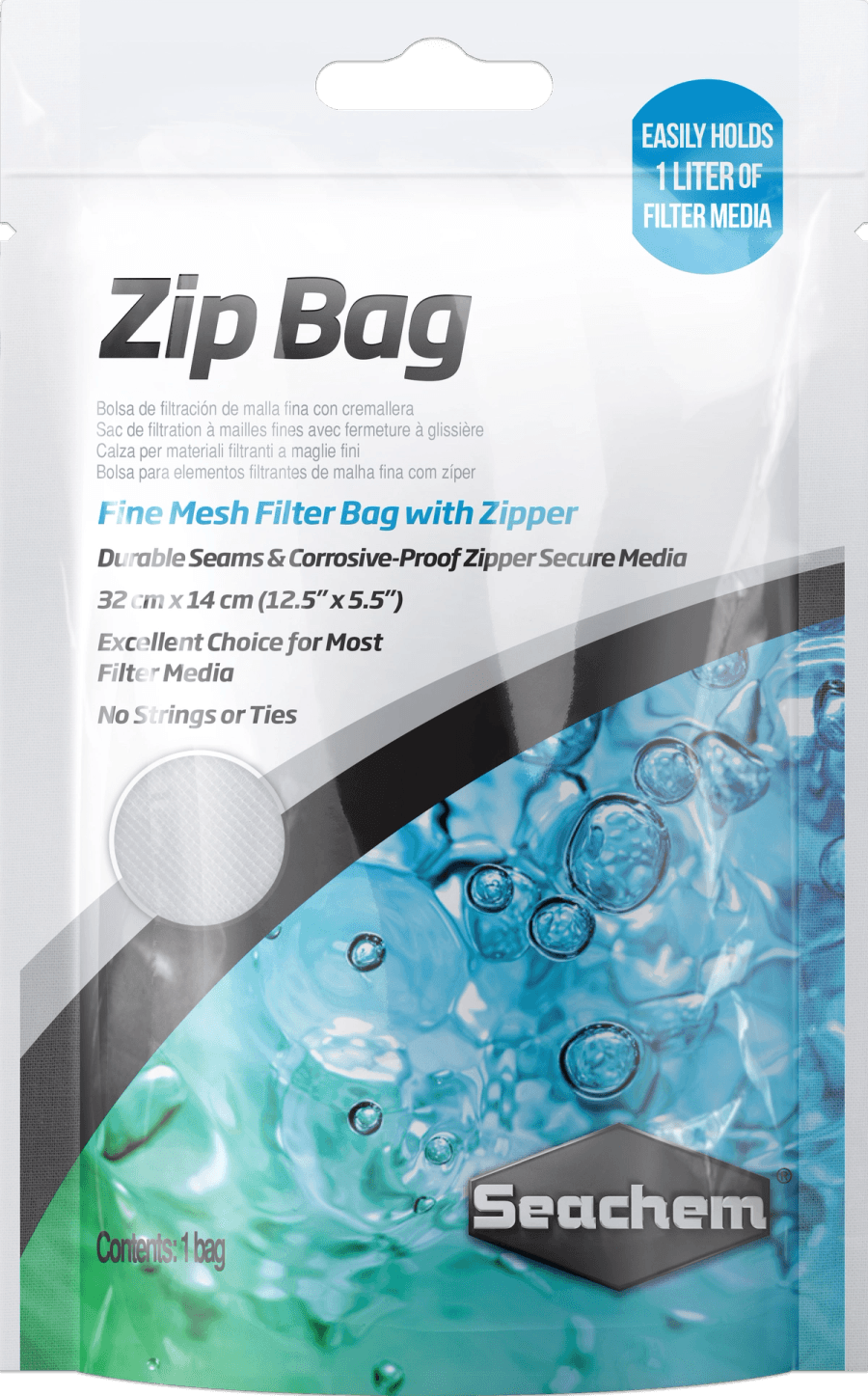
Then chemical media, dropped into a mesh zip bag so you can lift it out to swap: activated carbon keeps the water optically clear and pulls yellowing organics, and a phosphate/silicate remover starves algae and helps keep glass clean. Keep a couple of media bags on hand and changing media takes thirty seconds.
A UV sterilizer for water you can see through
A UV sterilizer is plumbed inline and passes water past an ultraviolet bulb that kills free-floating algae (the green-water and dino blooms that wreck a reef's look) and knocks back waterborne parasites and bacteria. It's not a substitute for quarantine, but on a display reef it's the difference between crystal water and a perpetual haze.
Match the unit's flow rating to your tank. The sterilizer we stock for this size is rated up to 125 gallons, so it's a clean fit. Run it on its own small feed pump or tee it off the return, sized so the water spends enough time under the bulb to actually get dosed.
Heat, flow and control
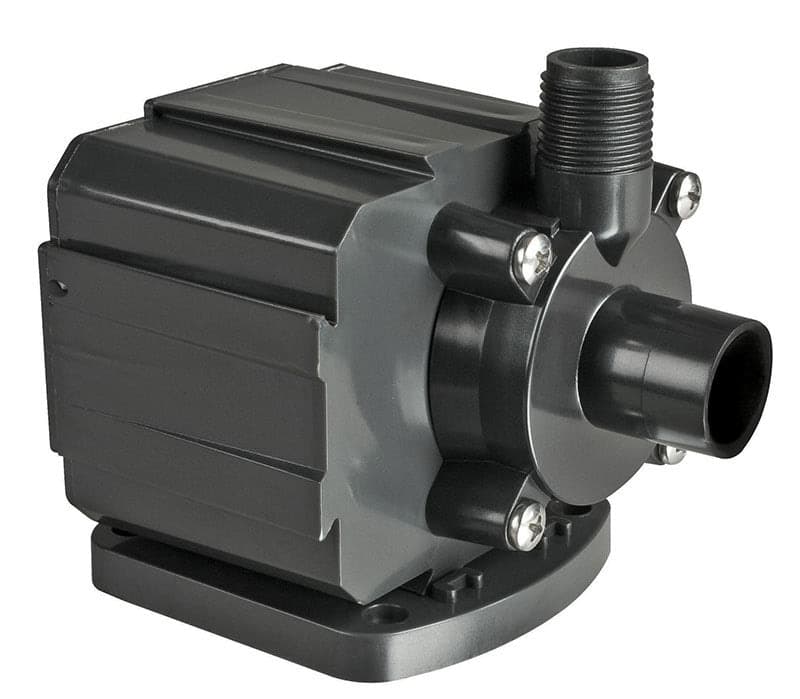
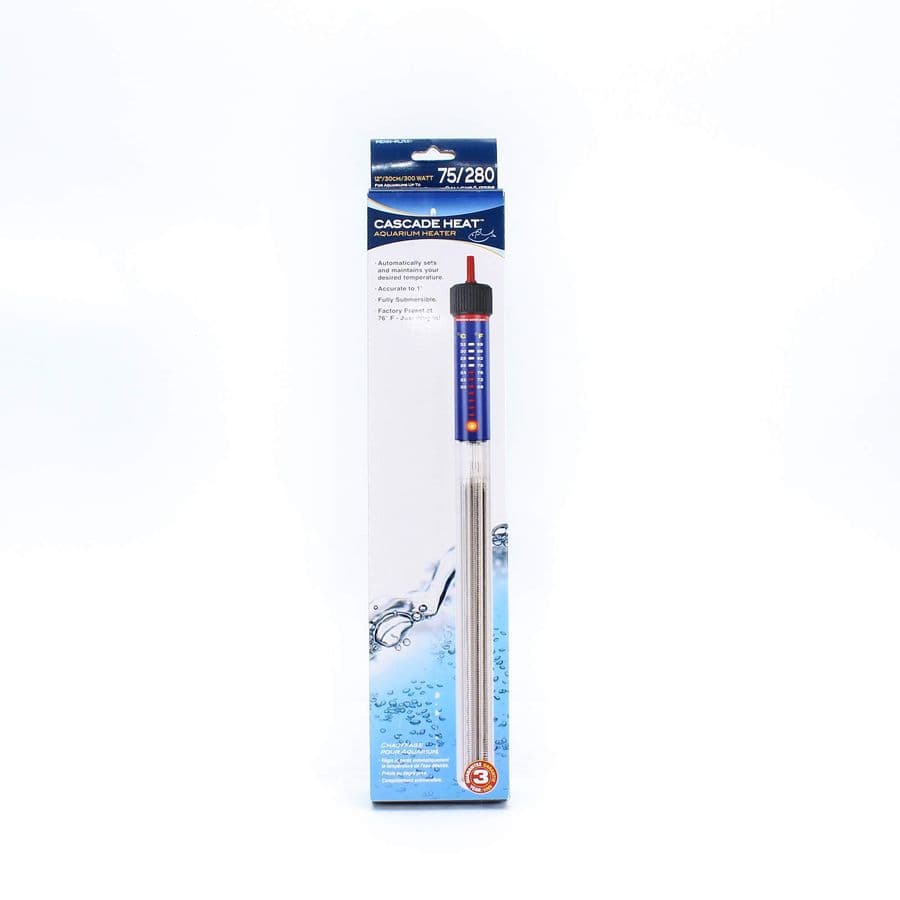
Three pieces keep the system moving and stable. The return pump lives in the last chamber and sends filtered water back up to the display. For a 125 you want a pump in the 600–700 GPH range at your real head height, then throttled with a valve so the overflow keeps up. A titanium or guarded heater goes in the sump instead of the display; a 125 typically wants around 300 watts (or two smaller heaters split across the sump so one failure isn't a disaster).
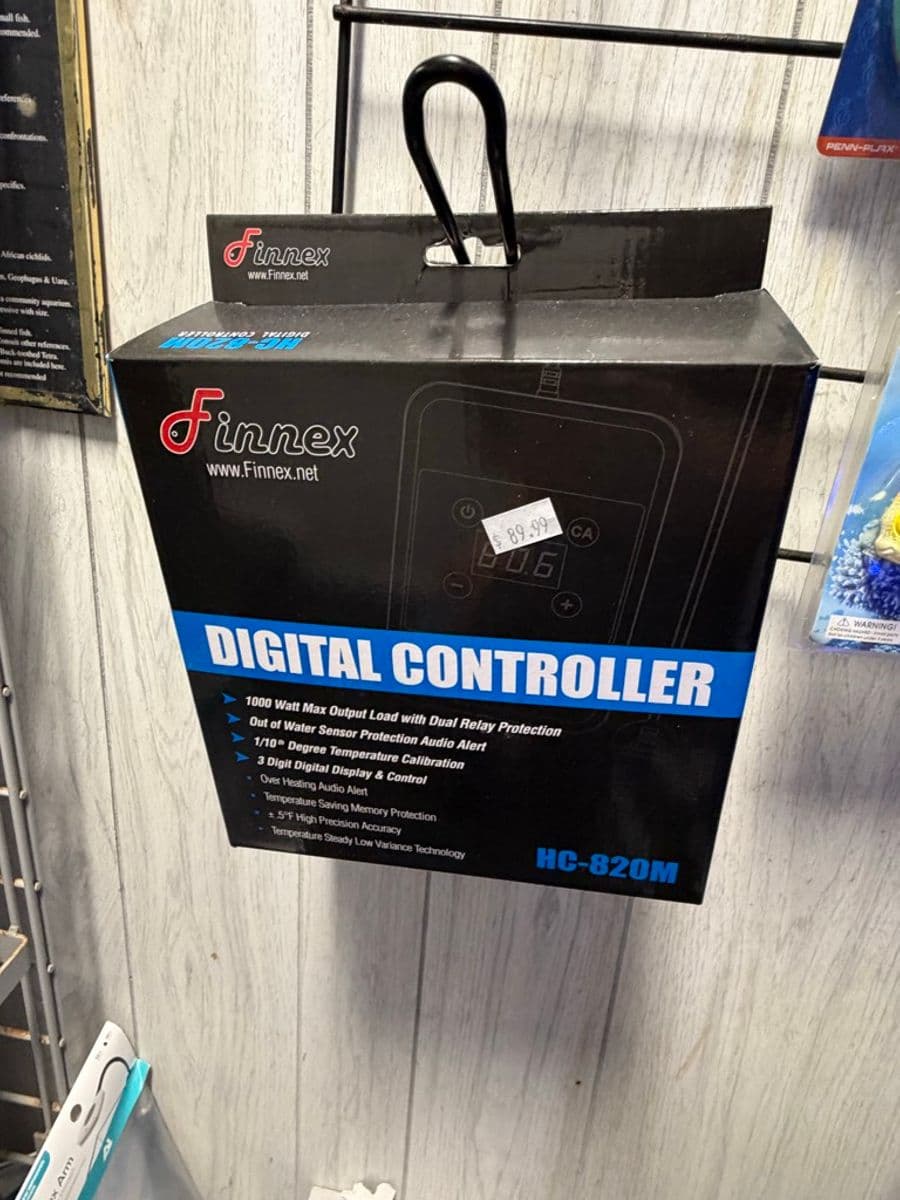
Tie the heater to a digital temperature controller rather than trusting the heater's own dial. The controller cuts power at your set temp and, just as important, won't let a stuck heater cook the tank. If you want to watch and control the system from your phone — temperature, pump schedules, an alert when something's off — that's a WiFi controller, which we'd order in for you. And a separate powerhead in the display gives corals the random flow they need; that part's optional but most reefers add it.
Test what you can't see — and make it flood-safe
Saltwater hides its problems until they're emergencies. You need a reef test kit that covers the parameters a coral tank lives and dies by: the freshwater basics (pH, ammonia, nitrite, nitrate) plus alkalinity, calcium and magnesium. A freshwater or pond kit won't test those, so a real saltwater kit is on the list. We carry API and Salifert reef kits in-store; ask us to match a set to your tank.
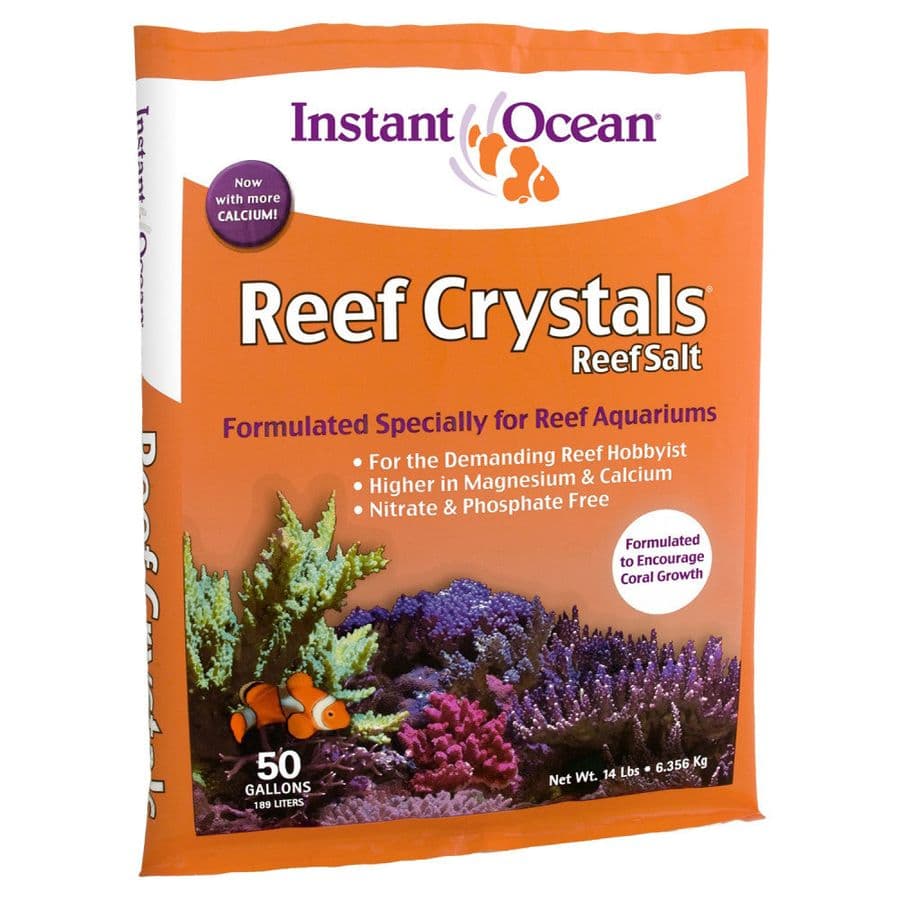
Then make it living-room safe, the same way you would freshwater. Drill a small anti-siphon hole in the return pipe just below the waterline so the display can't drain into the sump when the pump shuts off, never fill the return chamber to the brim so it can hold the back-siphoned water, and keep your socks clean so nothing backs up. Mix new saltwater to the same salinity and temperature as the tank before you add it; never dump dry salt into a running system. Test the whole thing once with the pump off before you trust it overnight.
Common questions
- Do saltwater sumps need baffles?
Yes — unlike a freshwater sump. Baffles trap the micro-bubbles a protein skimmer throws off so they don't get pumped into your display, and they hold a steady water level in the return chamber so the pump never sucks air. A reef sump should be chambered; a freshwater one can run a single open box.
- What size protein skimmer do I need for a 125-gallon reef?
Size it to your bioload, not just the gallons. A lightly-stocked 125 and a fish-packed 125 want very different skimmers, so a skimmer rated for "125 gallons" can be undersized if you keep a lot of fish. Bring us your stock list and we'll match the right one rather than guess.
- How big a return pump does a 125-gallon sump need?
Aim for roughly 600–700 GPH at your actual head height (the vertical distance the pump lifts water), then throttle it down with a valve so the overflow can keep up. It's better to run a slightly larger pump turned down than a small one maxed out. Bring your stand height and we'll match it.
- Do I really need a UV sterilizer on a reef tank?
It's not mandatory, but it's one of the best clarity upgrades you can make. A UV sterilizer kills free-floating algae — the green-water and dino blooms that ruin a reef's look — and knocks back waterborne parasites and bacteria. It won't replace quarantine, but it keeps display water visibly clearer.
- What do I need to test for on a saltwater reef tank?
Beyond the freshwater basics (pH, ammonia, nitrite, nitrate) a reef needs alkalinity, calcium and magnesium — the parameters corals use to build their skeletons. A freshwater or pond test kit won't cover those, so you want a dedicated reef/saltwater kit — we carry API and Salifert kits, so ask us to match a set to your tank.
- How often do I change the filter sock?
On a stocked 125, plan on swapping the sock every few days — sooner if you feed heavily. A clogged sock overflows and can flood the sump, so keep at least two on hand: run one while the other's drying clean. Rinse them before they dry into a brick.