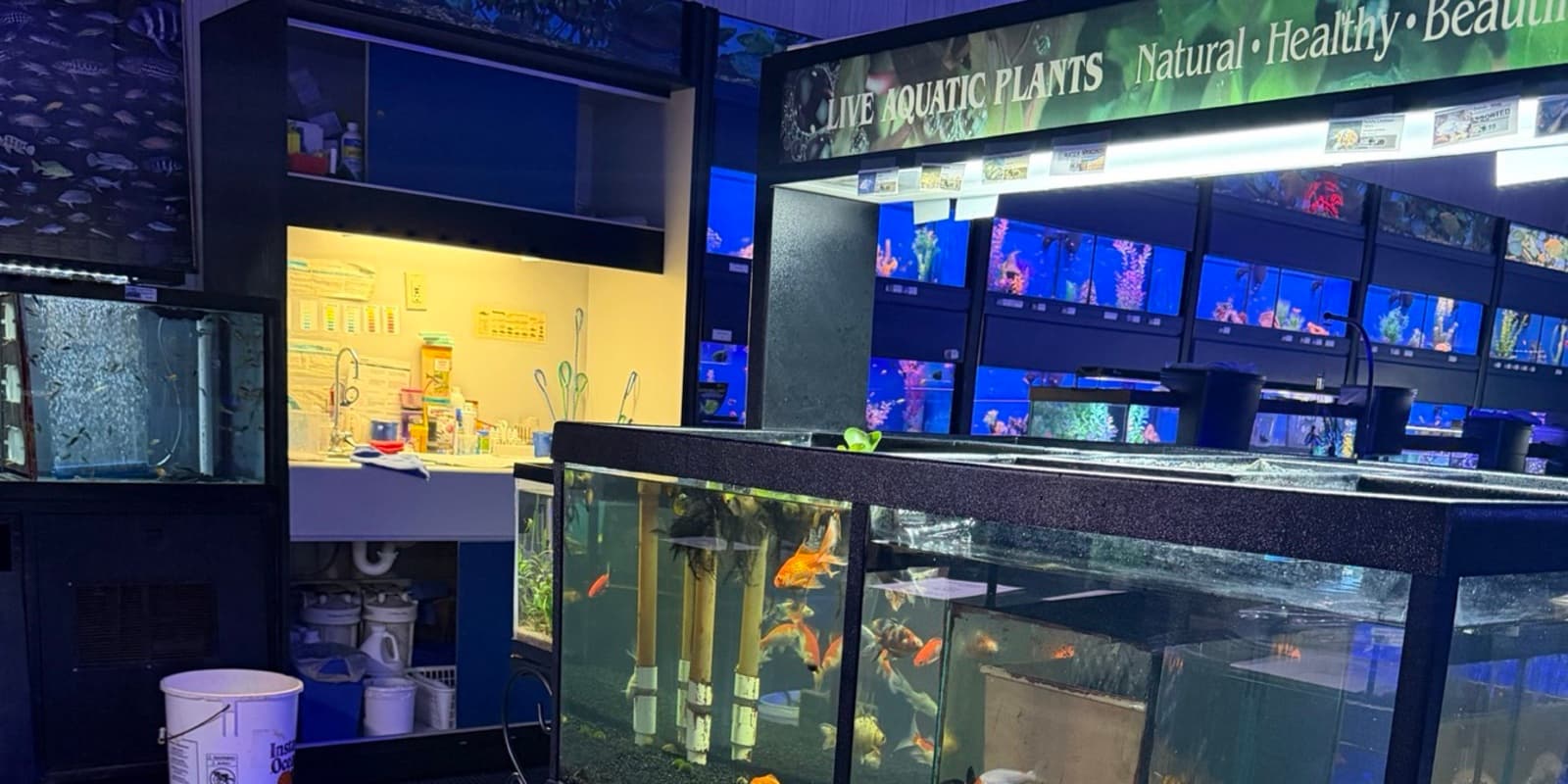
What this covers
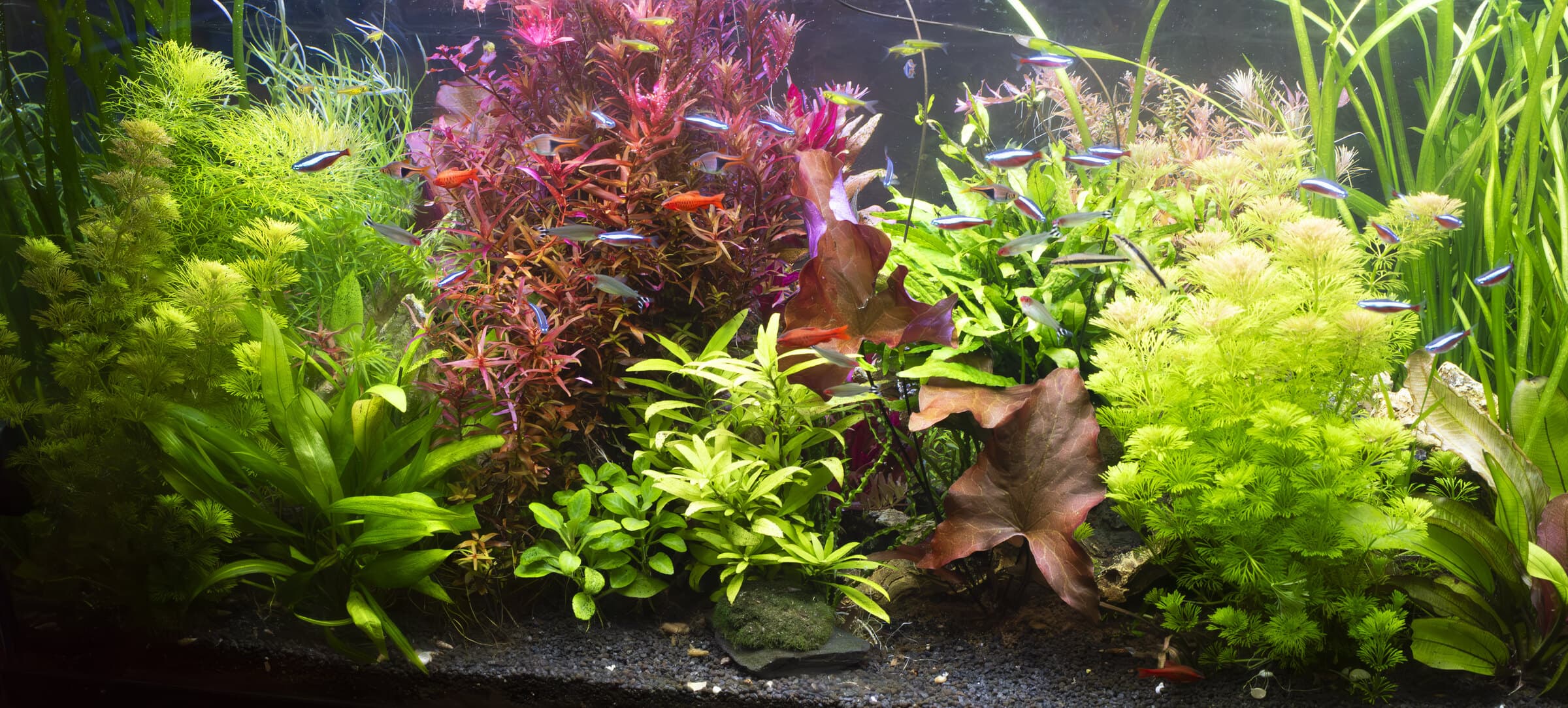
Circulation & flow
Moving the water around so there are no dead spots and oxygen gets everywhere.
24 in the shop
Mechanical filtration
Straining waste, uneaten food and debris out of the water before it breaks down.
27 in the shop
Biological filtration
The bacteria that turn fish waste into something harmless. The real filter.
7 in the shop
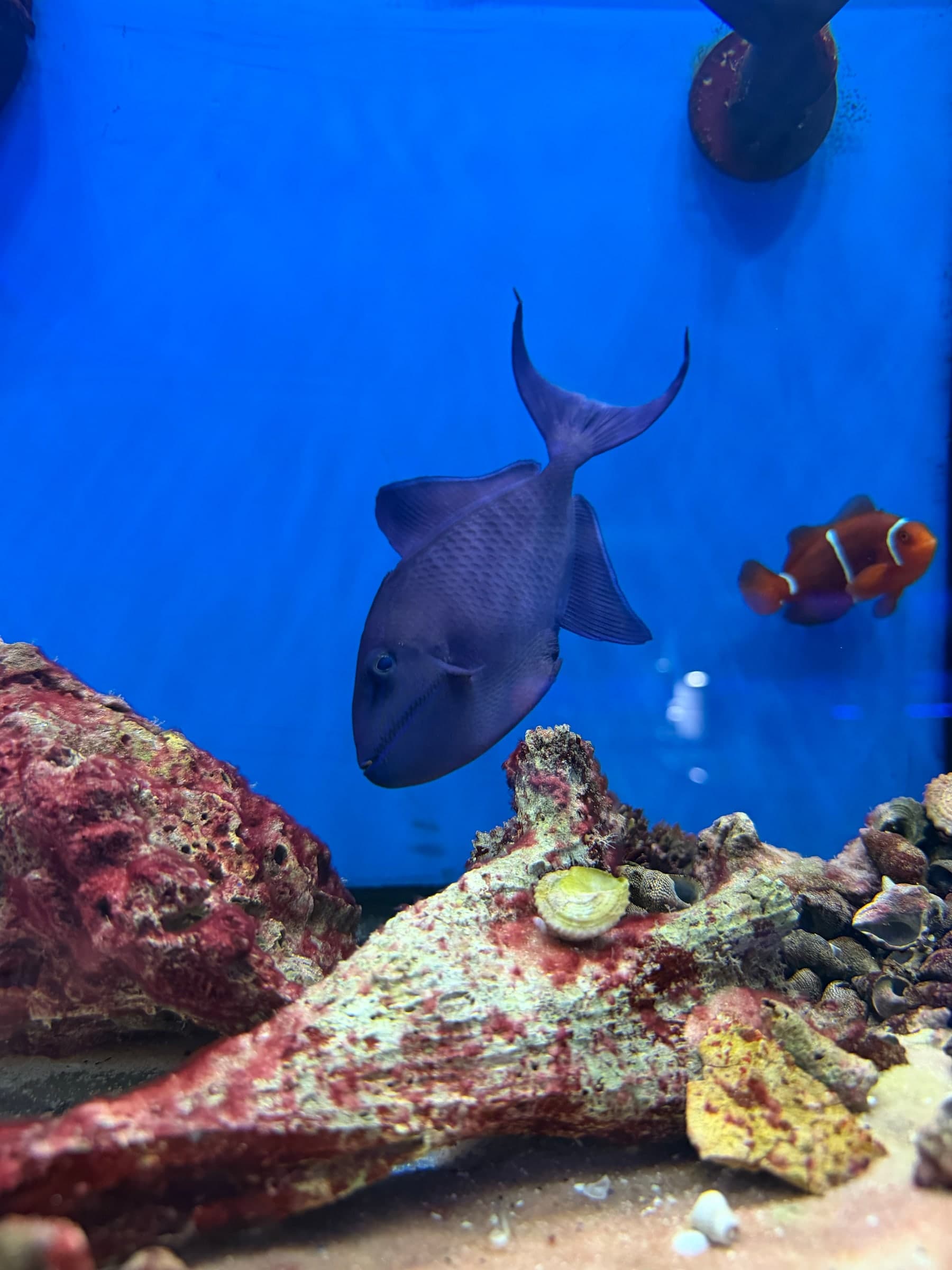
Chemical filtration
Media that grabs dissolved things a strainer can't catch, like odors and tint.
29 in the shop
Almost everyone who's into freshwater eventually hears "you should run a sump" for more water volume, more filtration, and all your ugly gear (heater, pump, media) hidden in a second tank under the stand. Then they look up how to build one and quit, because every guide starts with drilling the bottom of your display or siliconing glass baffles into a box. That's the friction. It's also unnecessary.
For a freshwater tank you can build a sump that works just as well with zero drilling and zero baffles. This is the simple version we'd set up ourselves, and every part on the list is something you can pick up from us in Erie.
The no-drill part: how water gets to the sump
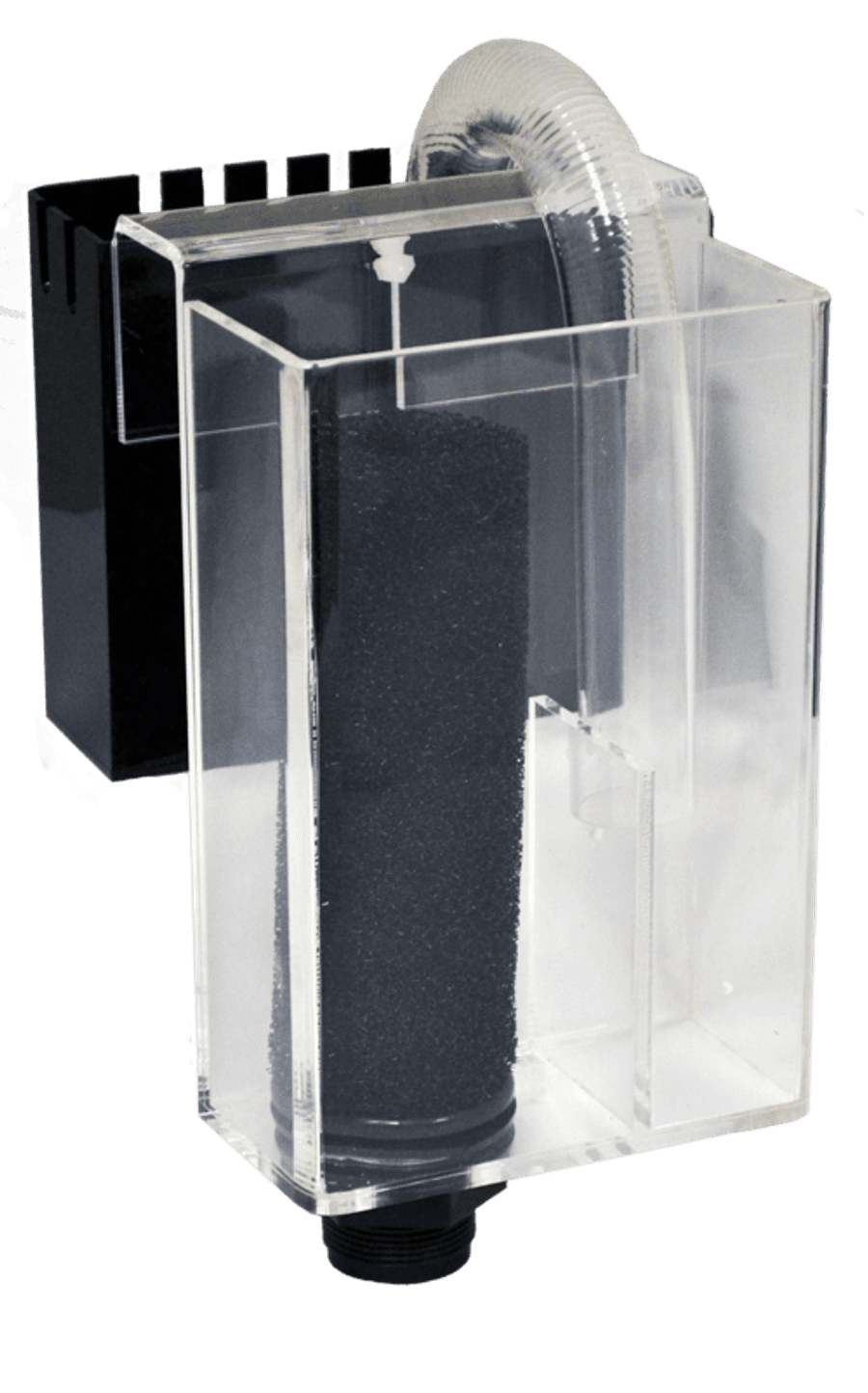
The scary step is moving water out of your display tank and down to the sump. You don't drill it. You hang an overflow box on the back rim. It siphons water over the edge and down a hose to the sump, all on its own once it's primed. A return pump in the sump pushes the same water back up. Round and round.
That's the entire trick. The overflow handles the "out," the return pump handles the "back," and your tank never gets a hole in it.
You don't need baffles — one chamber is fine
Reef sumps have those glass dividers (baffles) mostly to separate the stages. They wall off the filter sock, the media and the return pump into their own chambers so the water passes through each in order. On a simple freshwater build you don't need that separation engineered in glass: you can lay the same stages out left-to-right in one open box and the water still flows through them in the same order. So you can skip the baffles entirely.
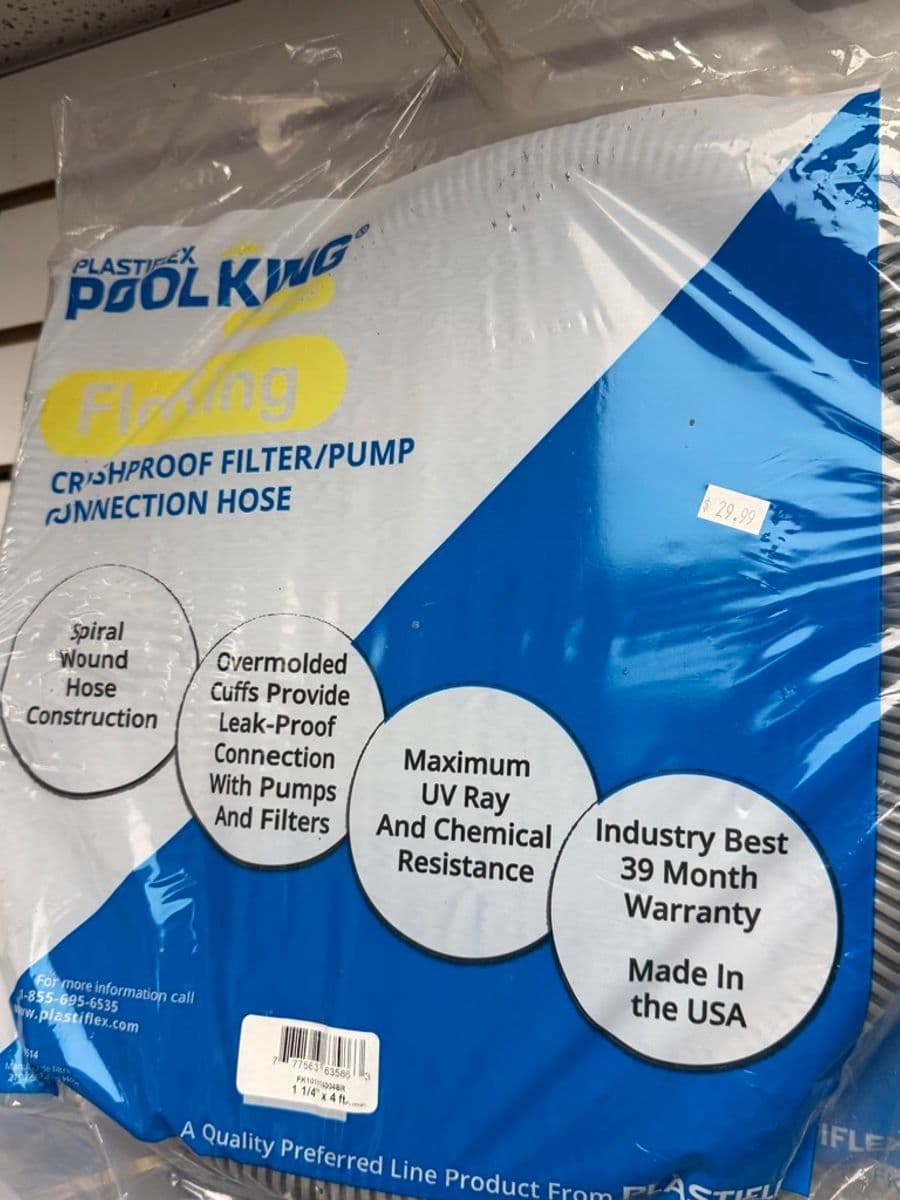
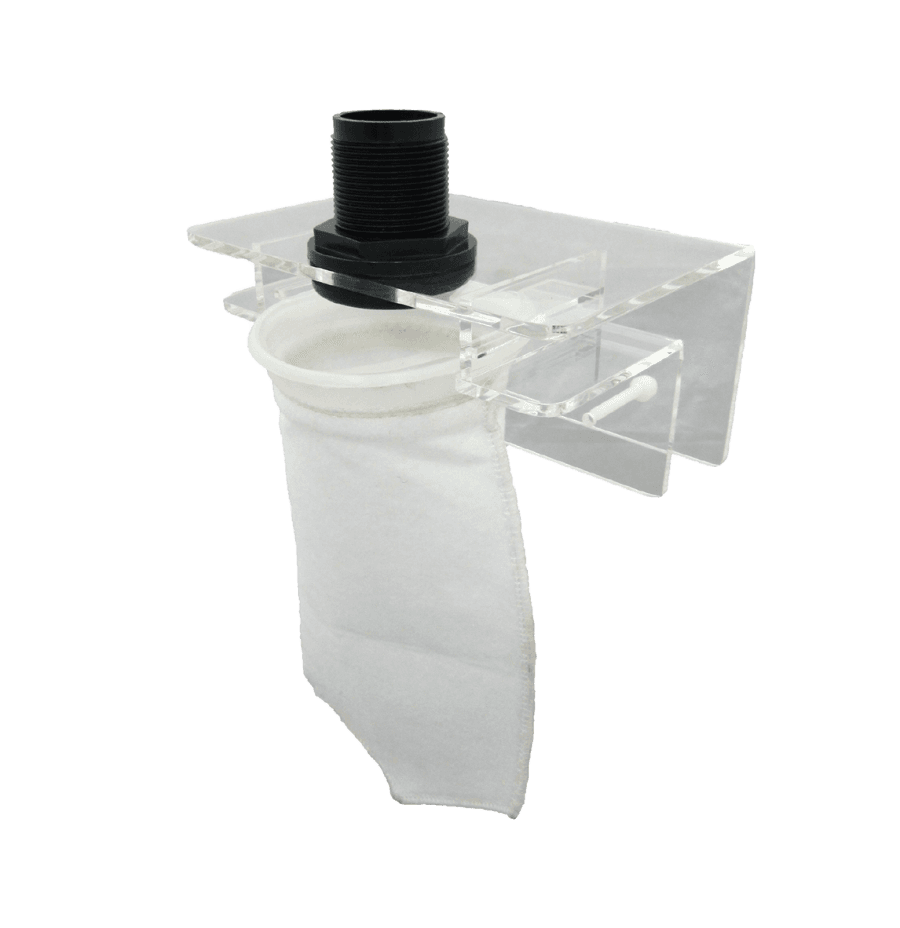
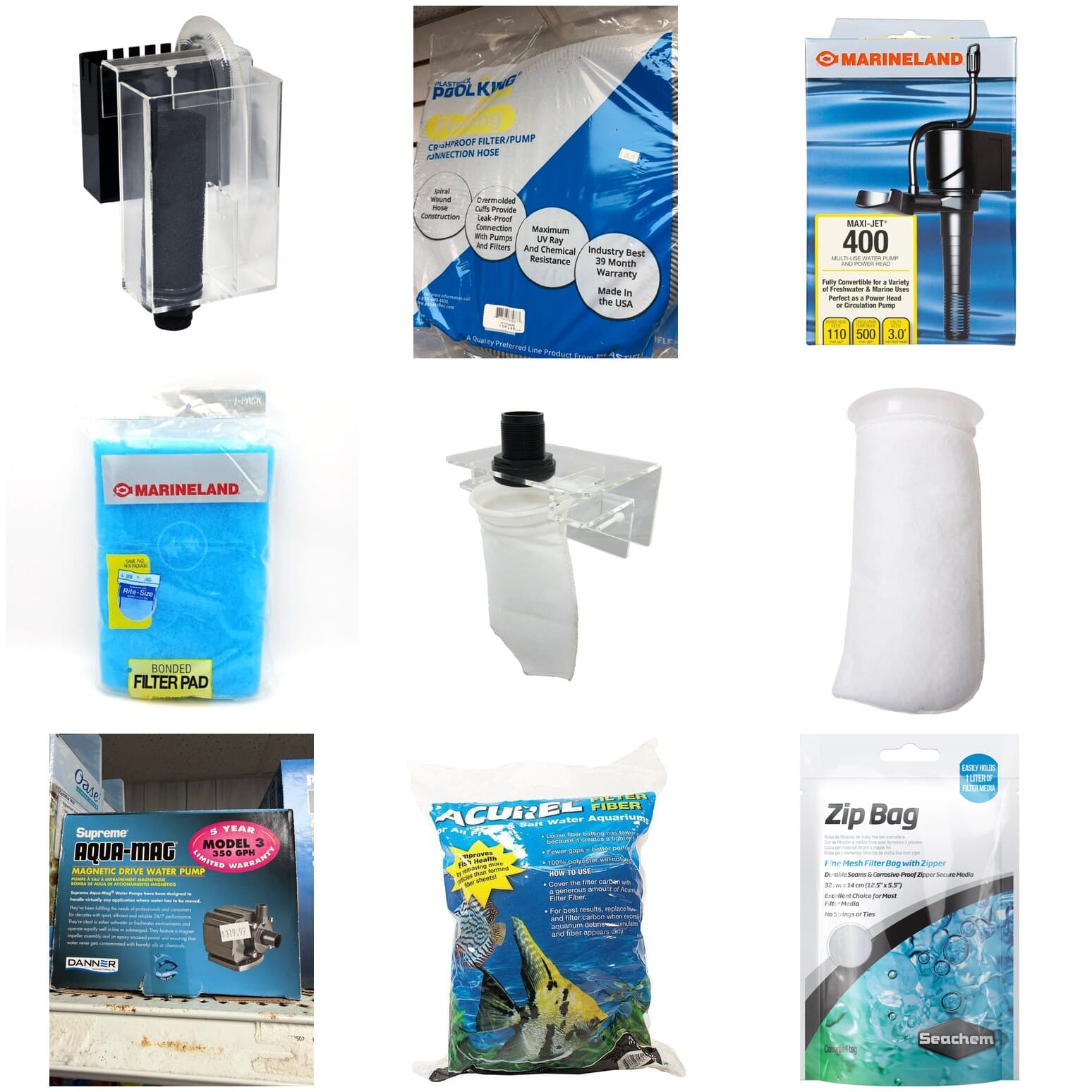
What you're left with is a single open box. Water drops in on one side and runs through your media, with the return pump at the other end. No cutting, no silicone, no cure time. A spare 10 or 20-gallon tank is perfect; you may already have one in the basement. If you'd rather start with something purpose-made, we keep an acrylic sump/refugium in the shop that already has the filter sock spot and flex hoses built in, a ready-made base instead of a bare tank. Either one works; everything below is the same once it's plumbed.
Mechanical first: the filter sock
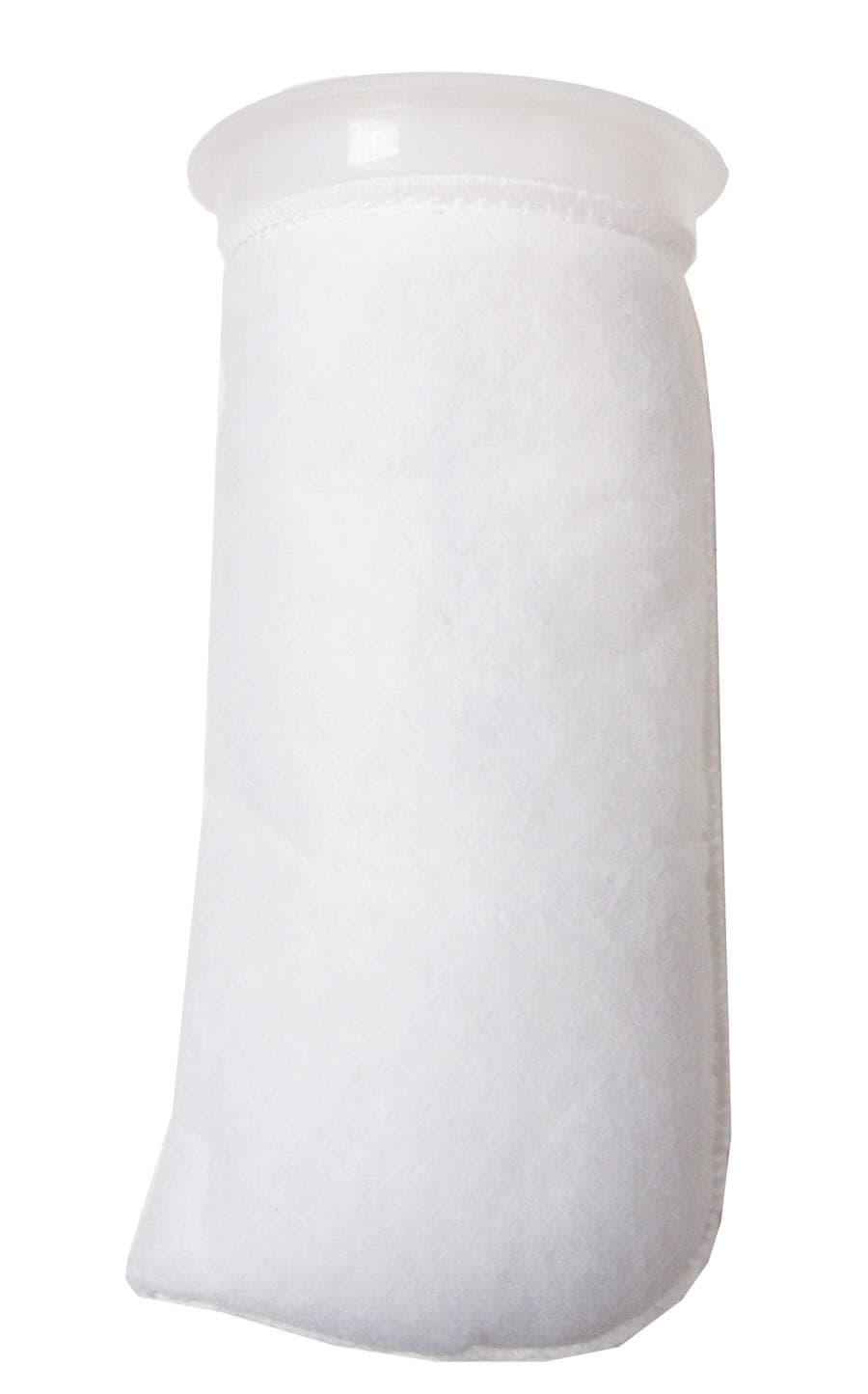
The water coming down from the overflow drops straight into a filter sock — a fine mesh bag that catches all the floating gunk (fish waste, uneaten food, plant bits) before it goes anywhere else. A sock holder clips onto the side of the sump and holds the bag open right under the incoming water.
One sock is plenty. People ask about running a double sock for "extra" filtration, but the second one mostly just clogs and doubles how often you're rinsing bags. Skip it. The real filtration happens in the next step.
The engine: pack it with bio media
After the sock, the water flows through biological media — porous pellets or rings riddled with microscopic pores. All that internal surface area is the real estate for the beneficial bacteria that convert toxic ammonia and nitrite into safer nitrate, and it's the part that makes a sump worth building. More surface area means more bacteria, which means more fish and heavier feeding the tank can handle before ammonia starts to creep.
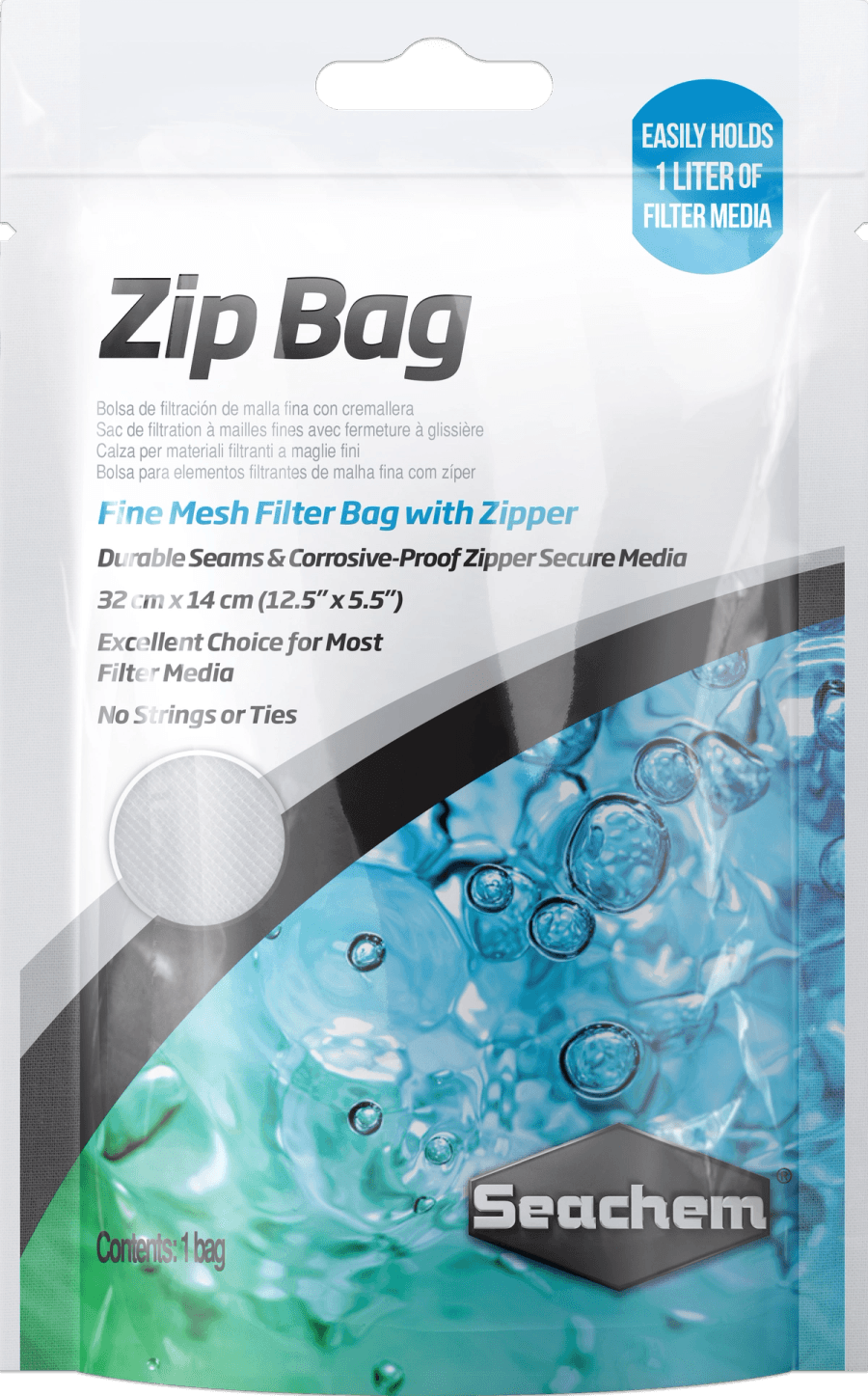
Here's how the loose media actually works in the sump, because this is the part that trips people up. You don't dump the pellets in loose, where they scatter, pack down, and get sucked toward the pump. You fill a zip-top mesh media bag and rest it in the flow path between the sock and the return pump, so all the water has to trickle through it. Bagging it is the whole trick: the bacteria still get every drop of water, and you can lift the entire bag out to rinse it in old tank water (never tap, which kills the colony) without tearing the sump apart.
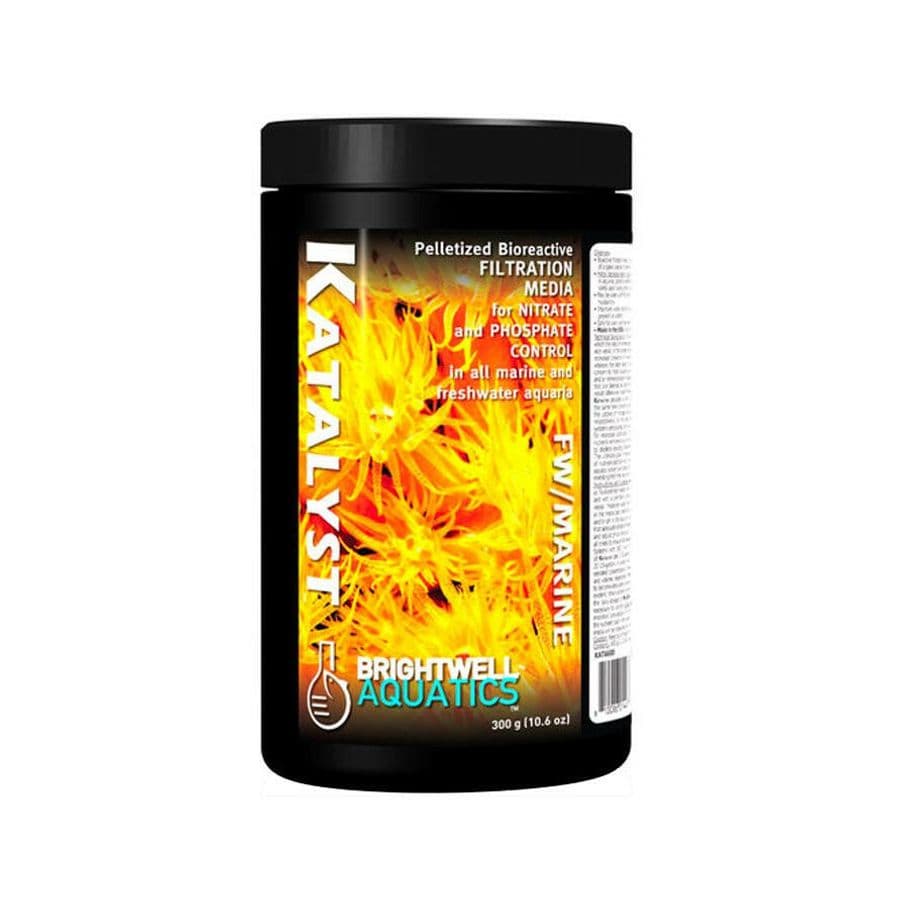
And about the amount: a single 300g bag (about half a liter) is a starting point sized to the small 10-to-29-gallon tanks this build targets. You don't need to fill the whole chamber. One bagful is plenty for a nano-to-mid setup. As you add fish or move to a bigger display, add a second bag. Scale the media up with the bioload instead of buying it all up front. And unlike floss and carbon, bio media is never thrown out or deep-cleaned: once it's colonized it's the living engine of the tank, so you only ever rinse it gently.
This same bag-in-the-flow setup is where chemical media goes later too (carbon, a phosphate remover), by just dropping another bag in beside it. No new equipment.
Floss and carbon: the media most people run
Three jobs, three kinds of media, and you don't need all of them on day one.
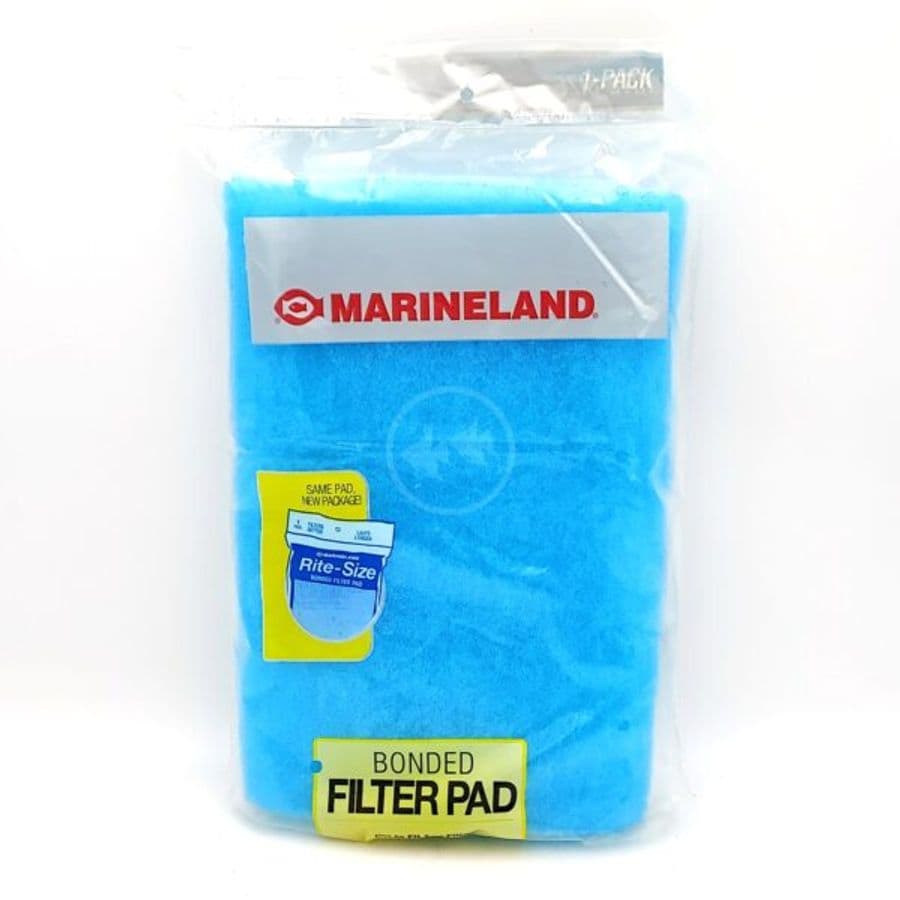
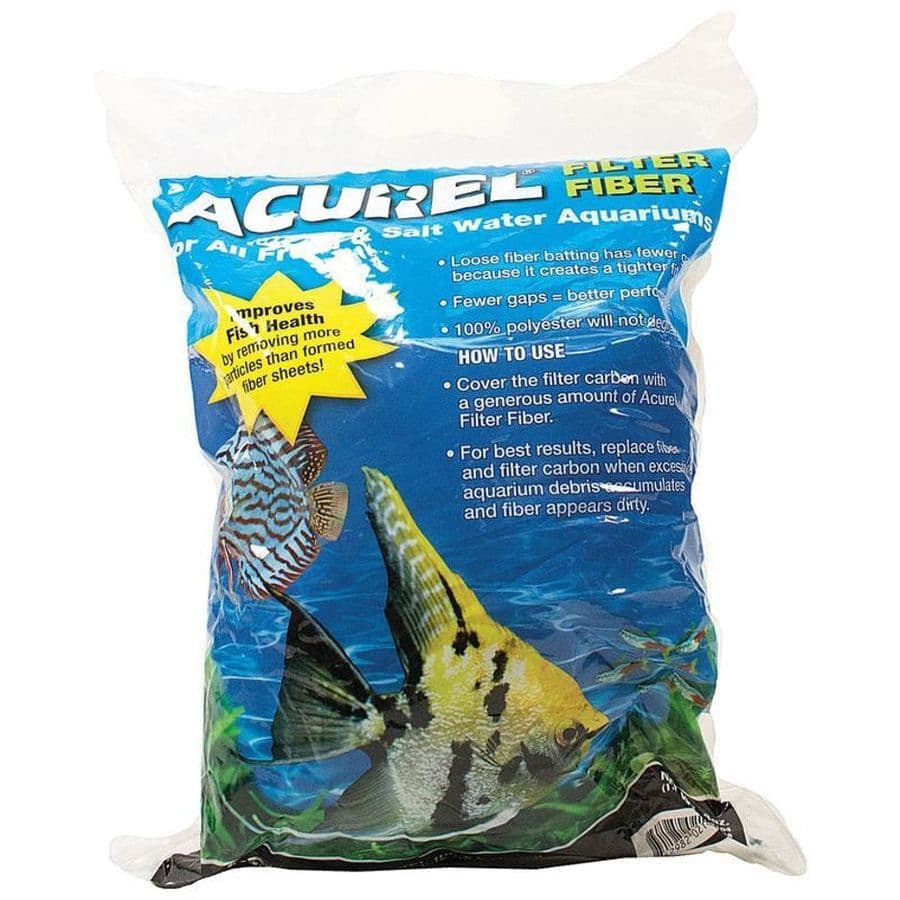
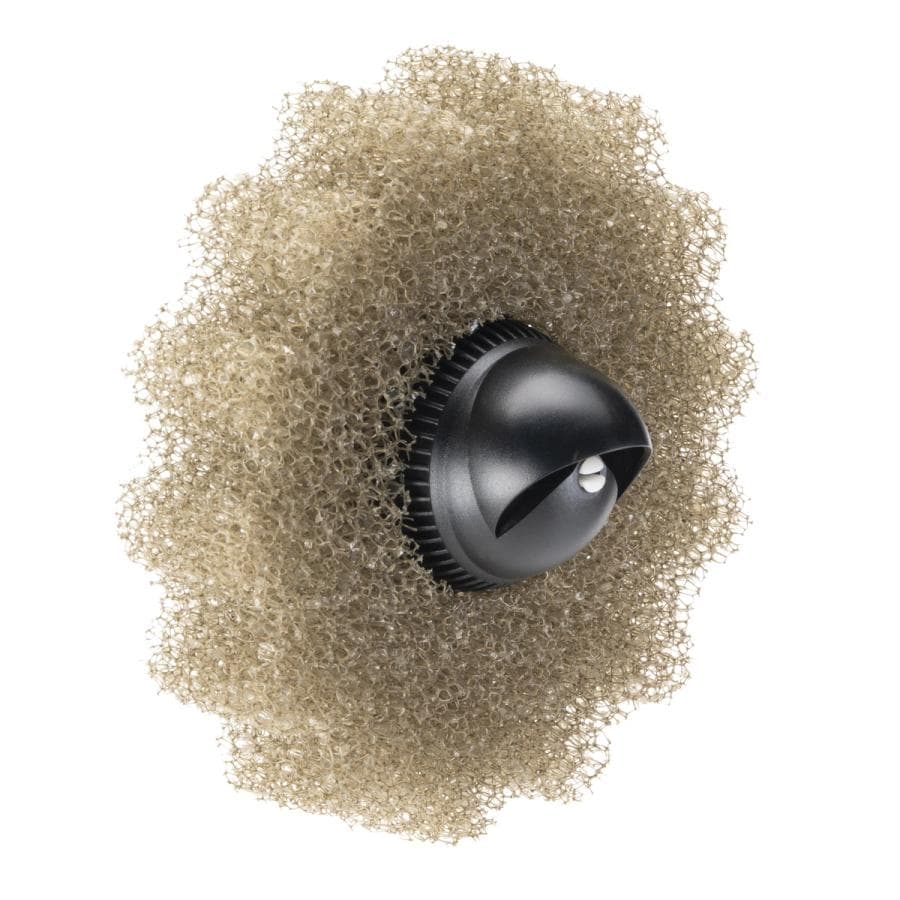
Mechanical is what catches the dirt, and you've got two ways to do the fine polish on top of the sock. Loose poly filter floss is the cheapest. Pile a handful on and toss-and-replace it when it browns. Or use a bonded filter pad: a firmer blue-and-white sheet you cut to fit your sump, lay flat in the flow, and rinse a few times before it needs replacing. The pad holds its shape and lasts longer; the floss is cheaper and finer. Either one polishes out the haze the sock lets through. Pick whichever you'll actually keep up with. We carry both.
Biological is the bio media you packed in the last step. That's the part that actually keeps fish alive by growing the bacteria that eat ammonia — never deep-clean it.
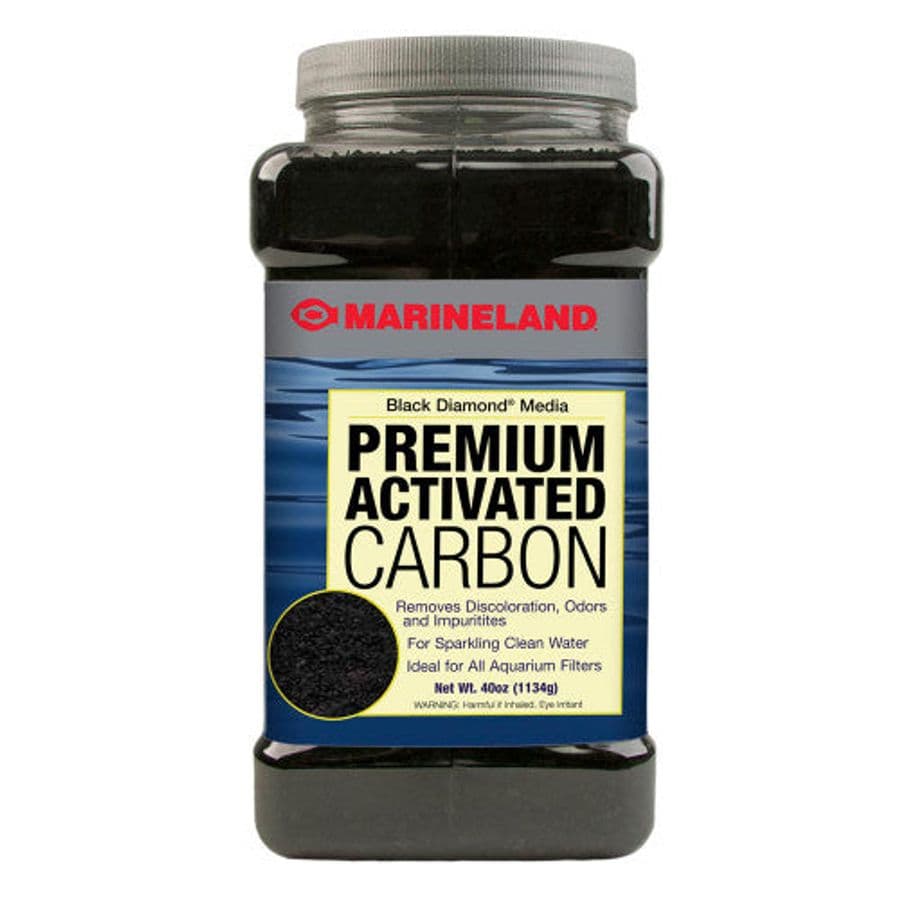
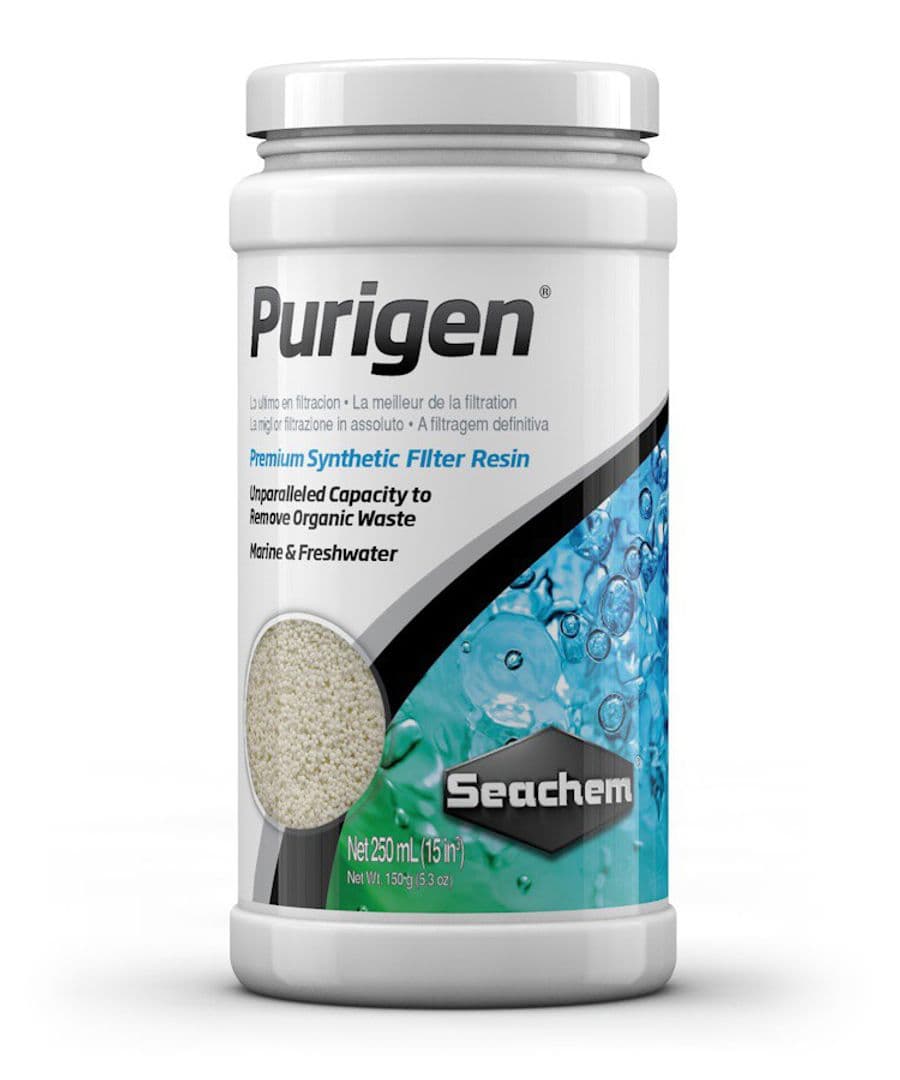
Chemical is optional, and most people keep a little around. A bag of activated carbon pulls tannins, odors and that yellow tint; swap it monthly. If you want water you can read a magazine through, Purigen is a polishing resin you rinse and recharge, so one bag lasts a long time. Run chemical media in a media bag, downstream of the floss.
Make it flood-your-house safe
This is the part people skip and regret. A sump moves a lot of water, and the big risk is back-siphoning: when the return pump shuts off, the display keeps draining down into the sump and overflows onto the floor. Two simple habits prevent it, and neither needs any extra gear.
First, drill one tiny anti-siphon hole in the return pipe just below the waterline. When the pump shuts off, that hole breaks the siphon so your display can't keep draining down into the sump. Second, never fill the sump to the top: leave enough empty space that if the pump stops, all the water that back-siphons down still fits without overflowing. Test it once with the pump off before you trust it overnight. Top the sump off as it evaporates, too, so the return pump always has water to move.
Do these things and a sump is living-room safe. Skip them and it's a story you tell about your carpet.
Common questions
- Do I have to drill my tank to add a sump?
No. A hang-on-back overflow box siphons water over the rim and down to the sump with no holes drilled. Drilling is only required for built-in overflows on reef-ready tanks — for a standard freshwater tank, the overflow box does the same job.
- Do freshwater sumps need baffles?
No. Baffles mainly just wall off the different stages — sock, media, return pump — into separate chambers. For freshwater you can lay those same stages out in one open chamber — sock, then media, then return pump — and it works fine. That's what lets you build one without cutting or siliconing glass.
- What size return pump do I need for a 20-gallon sump?
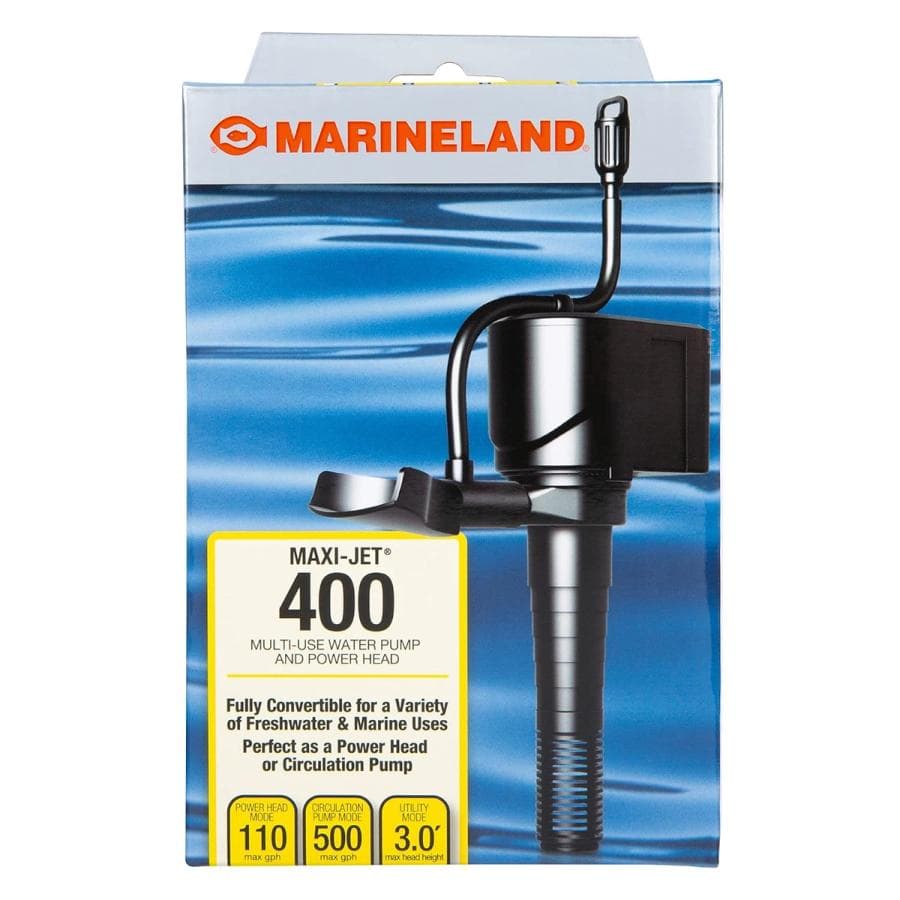
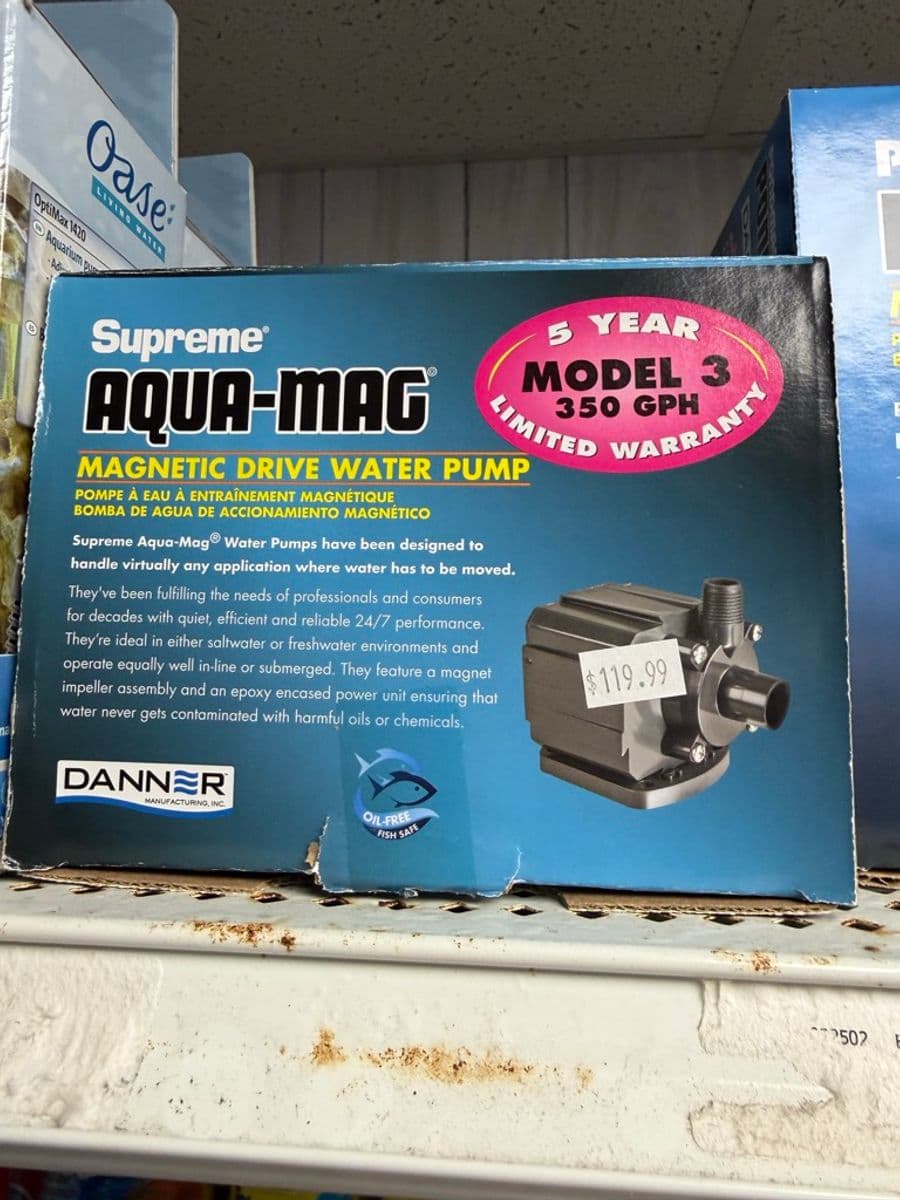
Aim for roughly 3–5× your display volume per hour at the pump's actual head height, then throttle it down with a valve so the overflow can keep up. It's better to run a slightly larger pump turned down than a small one maxed out. Bring your numbers in and we'll match it.
- How do I stop a sump from flooding my house?
Two things, and neither needs extra gear: a small anti-siphon hole drilled in the return pipe just below the waterline so the display can't keep draining when the pump stops, and never filling the sump to the brim so it can hold the back-siphoned water. Test it once with the pump off before you leave it running overnight.
- Can I use a plastic tote instead of a glass tank?
You can, as long as it's food-grade and rigid enough not to bow when full. A glass tank is cheap, won't flex, and is easier to see your water level through — so we usually recommend a spare 10 or 20-gallon over a tote.