What this covers
Ammonia & nitrite
The two things that kill fish in a new tank, until bacteria take over the job.
12 in the shop
Biological filtration
The bacteria that turn fish waste into something harmless. The real filter.
7 in the shop
Testing & monitoring water
Reading the numbers in your water, so you fix problems before you can see them.
18 in the shop
Almost everyone sets up their first tank the same way: fill it, let it sit overnight so it clears, add fish, then watch them die over the next two weeks for no visible reason. The water looked perfect. That's the most common reason people quit this hobby before they start.
A new tank has no biological filtration. Fish make ammonia, ammonia is toxic, and nothing in there yet deals with it. So you grow the bacteria first, on purpose, before any fish go in.
Stuck partway? Call (814) 456-9445 or bring your numbers to 660 East 14th Street.
Day 0
Set up and start feeding the cycle
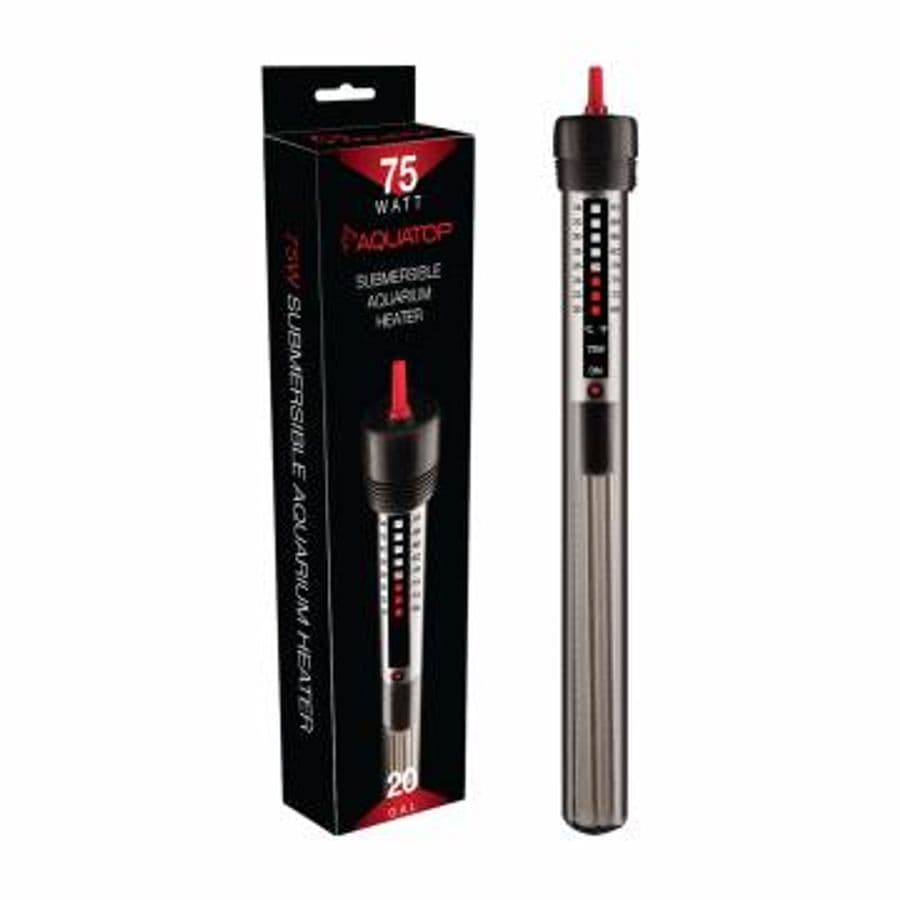
Fill, dechlorinate, and run the filter and heater at 76–80°F. Drop in a pinch of flake food as the ammonia source — or, for saltwater, seed with cured live rock and live sand. No fish yet.
Days 1–7
Ammonia climbs
The first bacteria colonize your filter media and surfaces. Ammonia reads high; that's the point. Add another pinch of food if it falls to zero early — the colony needs to keep eating.
Week 1–2
Nitrite spikes
Ammonia falls as it converts to nitrite, which is also toxic and usually spikes higher and lasts longer than the ammonia did. The second colony is building.
Week 2–4
Nitrite drops, nitrate appears
Ammonia and nitrite both fall toward zero and nitrate starts climbing. Nitrate is the harmless-in-moderation end product you remove with water changes.
Cycle done
Two zeros and nitrate present
When the tank clears ammonia and nitrite to zero within 24 hours and nitrate is showing, you're cycled. Big water change, then your first small group of fish.
After
Stock slowly, protect the colony
A few fish, wait 2–3 weeks, a few more. Never rinse media under the tap — rinse in old tank water — and replace media one piece at a time.
What the nitrogen cycle actually is
Waste is where it starts. Fish poop, uneaten food and dying plants break down into ammonia, toxic even in small amounts. In a new tank nothing removes it, so it climbs.
Then the first crew arrives. Beneficial bacteria colonize your filter media, gravel and rock, eating ammonia and converting it to nitrite. Ammonia falls, which is good. Nitrite is also toxic, which is not.
A second group converts nitrite to nitrate, which fish tolerate at low levels and you remove with water changes. Zero ammonia, zero nitrite, nitrate present — that's a cycled tank.
Why you cycle before the fish go in
You can cycle a tank with fish in it. We don't recommend it and we'd rather not sell it to you that way. A fish-in cycle leaves a living animal sitting in rising ammonia and nitrite for weeks while the bacteria catch up. It burns gills and it kills a lot of starter fish. Buying cheap danios to "break in" a tank is just buying disposable fish.
A fishless cycle takes the same few weeks, with nothing at risk, and your first real stocking survives.
The fishless cycle, step by step
The bacteria need an ammonia source, and with no fish you supply it. Use a pinch of the flake food you're buying anyway and let it break down. Slower and less precise than dosing a measured chemical, but it's food you already own and it can't overshoot.
Run the filter and heater from day one at 76–80°F — bacteria establish faster in warm, moving water. Dechlorinate first; chlorine kills what you're growing.
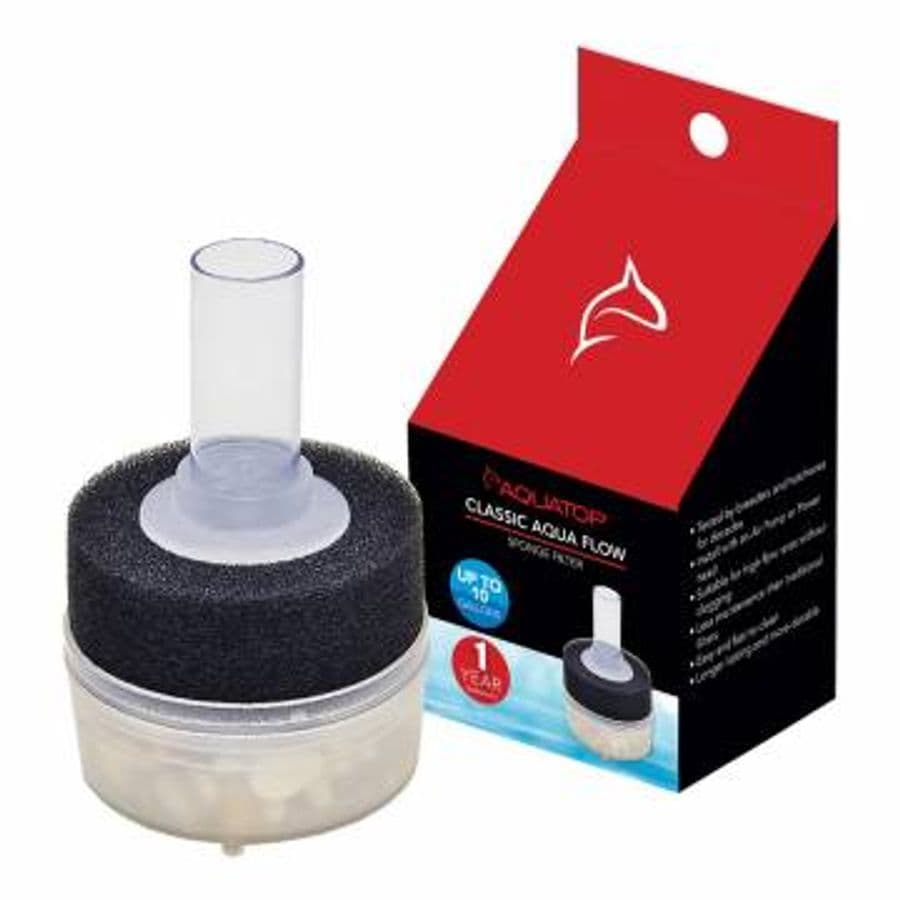
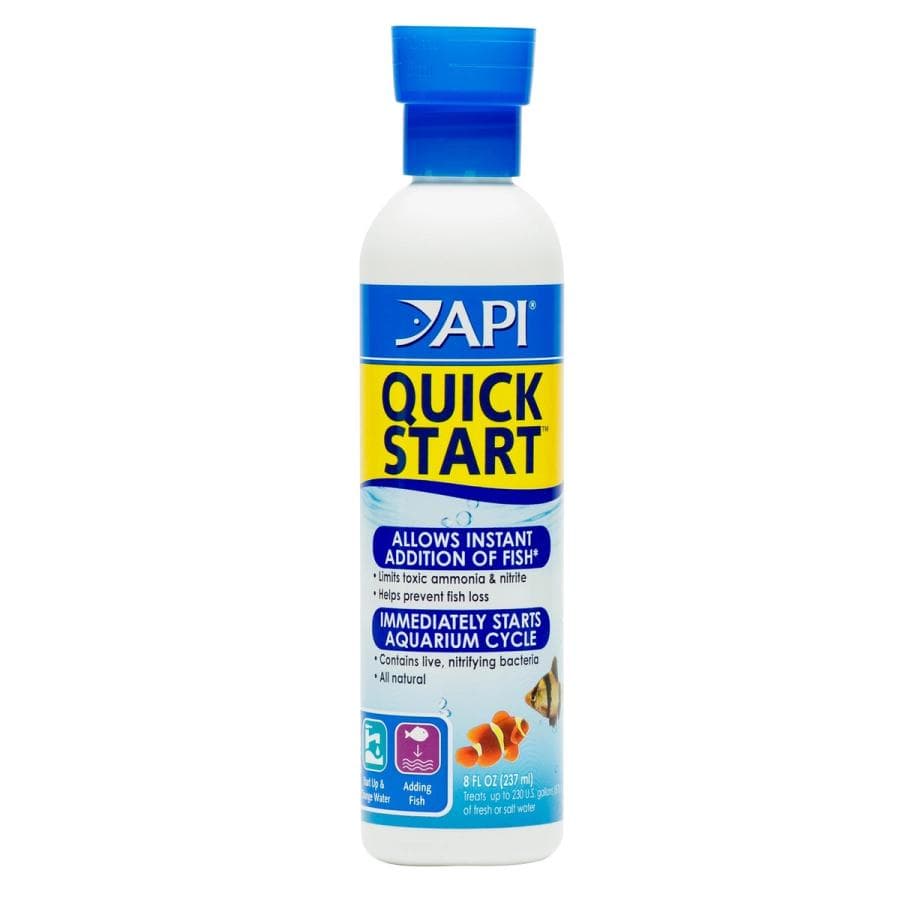
Then test and wait. Seeded media beats every shortcut: a sponge or a handful of gravel from a friend's running tank carries a live colony. Bottled bacteria helps too. Ignore anything promising an "instantly cycled" tank — confirm with a test kit, not a label.
Reading your test kit without guessing
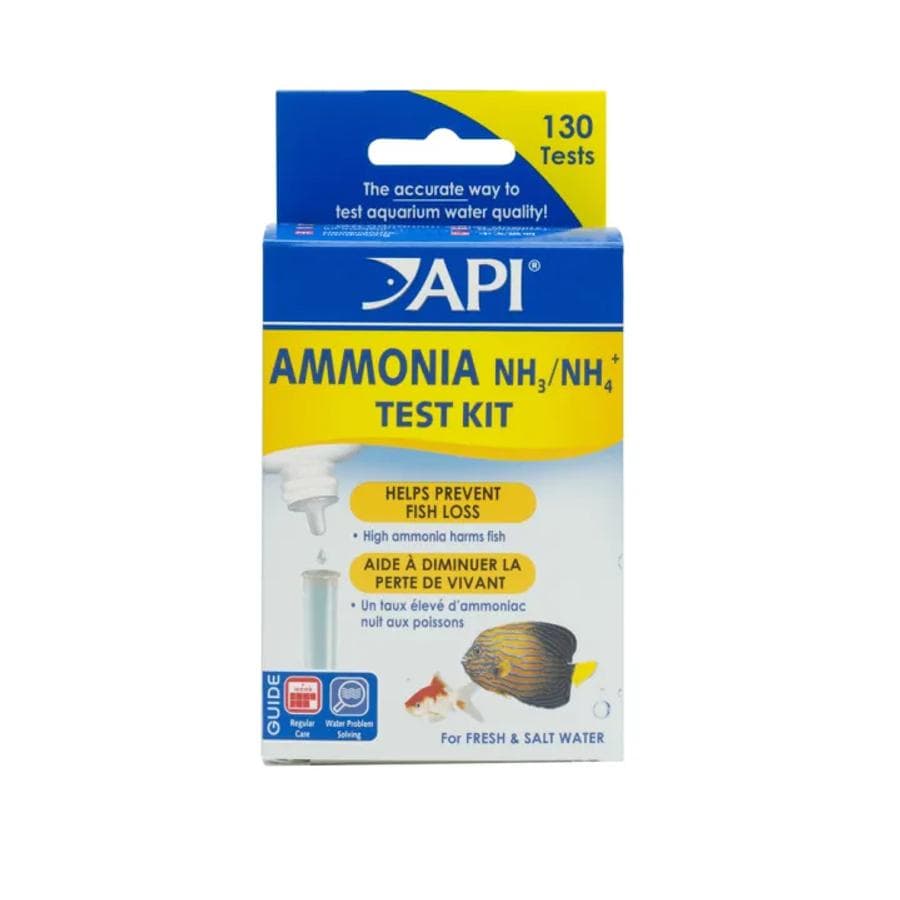
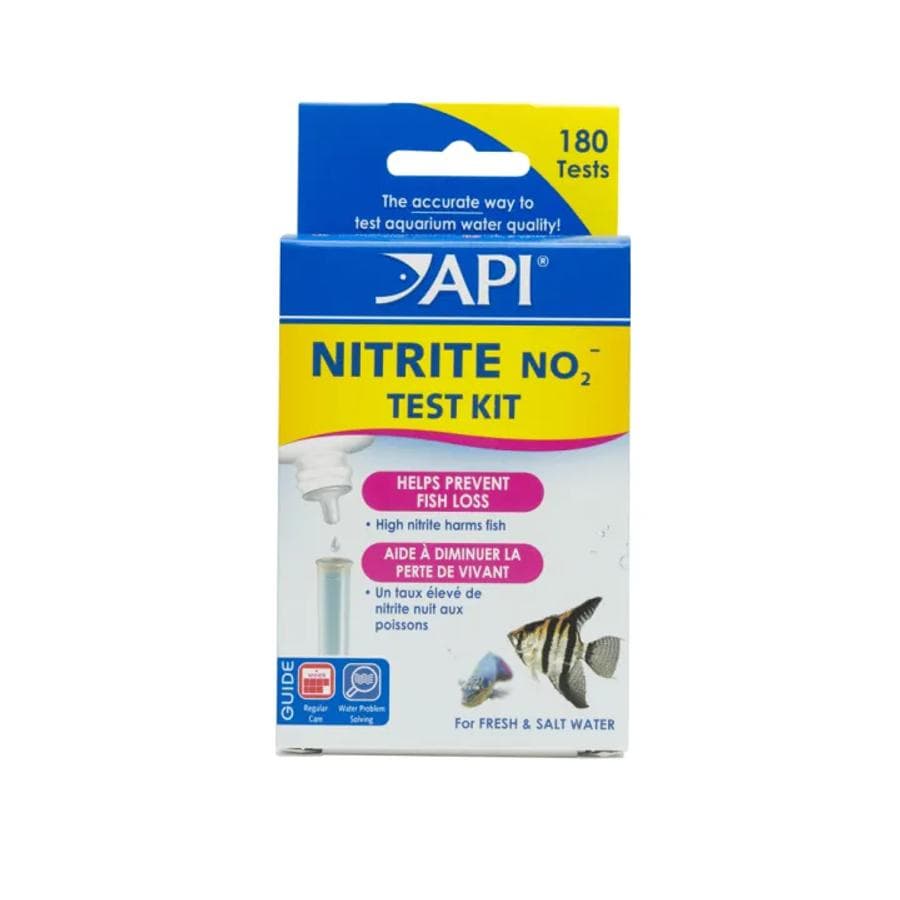
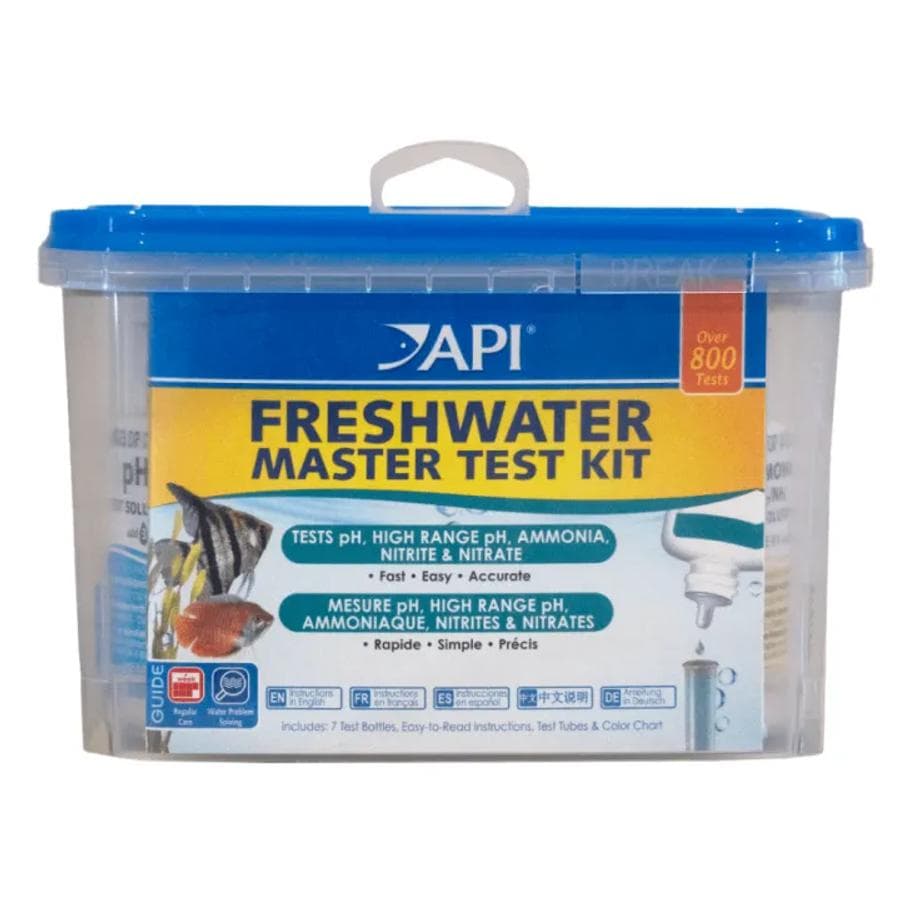
You can't eyeball this, and paper strips drift badly on nitrite. Liquid drop kits tell the truth. For cycling you need ammonia and nitrite.
Test every couple of days and write the numbers down: ammonia spikes then falls, nitrite spikes higher and longer then falls, nitrate climbs and stays. When ammonia and nitrite both read zero within 24 hours of feeding the tank, with nitrate showing, you're done.
The test kit decides when fish go in. Not the calendar, and not how clear the water looks.
Saltwater: same cycle, different starter
Identical chemistry — ammonia to nitrite to nitrate, same finish line. What changes is the seed. Most reef and FOWLR tanks cycle off cured live rock and live sand, which arrive carrying the colony. Dry rock takes longer because it has to be colonized first, and a saltwater cycle often runs longer overall while die-off on the rock processes out.
After the cycle: don't undo your own work
The colony lives in your filter media, rock and substrate. Two things kill it: chlorine and drying out. Never rinse media under the tap — rinse it in old tank water from a water change — and never swap all your media at once.
Stock slowly. The bacteria population sizes itself to the waste it's been fed. Add a few fish, wait two or three weeks, add a few more. Dump in a full load at once and you'll trigger a mini-cycle in a tank that was fine yesterday.
Common questions
- How long does it take to cycle a new aquarium?
Usually 2 to 6 weeks. Seeded media from an established tank or a bottled bacteria product shortens it noticeably, but testing tells you when it's done — never the calendar.
- How do I know when my tank is fully cycled?
Ammonia and nitrite both read zero within about 24 hours of feeding the tank, and you have a measurable nitrate reading. Two zeros plus nitrate means ready. Do a water change before stocking.
- Can I add fish while the tank is cycling?
We don't recommend it — it puts a living animal in rising ammonia for weeks and kills a lot of starter fish. If you've already added them, test daily and do water changes to keep ammonia and nitrite down.
- What do I use as an ammonia source with no fish in the tank?
A pinch of flake food, left to break down. It's slower than a measured dose, but it's food you already own, it can't overshoot, and everything you need is on our shelf.
- Why is my ammonia or nitrite still high after weeks?
Usually the water is too cold, the bacteria got killed rinsing media in tap water, or nothing is feeding the colony. Hold 76–80°F, rinse only in old tank water, and call us if it won't budge.