What this covers
Algae control
Getting rid of what's growing, and cutting off the light or nutrients feeding it.
13 in the shop
Lighting
How much light, what color, and for how long. Drives plants, corals and algae alike.
34 in the shop
Circulation & flow
Moving the water around so there are no dead spots and oxygen gets everywhere.
24 in the shop
Nitrate & phosphate control
What's left over after the cycle. Let it climb and it feeds algae.
8 in the shop
Cleaning & water changes
Water changes, siphoning and glass cleaning. This is how waste actually leaves a tank.
30 in the shop
Every tank grows algae. A film on the glass, a little fuzz on a rock, that's normal. The problem is algae winning, and people lose months on bottles of algae remover that kill what's growing and never touch what's feeding it.
Algae needs three things: light, nutrients, and time. When it takes over, one of them is out of balance, and it's usually nutrients (uneaten food, fish waste, nitrate and phosphate) stacked on top of too much light.
So find what you've actually got in the list below, then fix its cause. Not sure which one you're looking at? Bring a photo or a sample bag to 660 East 14th Street, or call us at (814) 456-9445. We'd rather look at it than have you guess.
You see
Brown dusty film on glass, sand and decor
Diatoms — silicates leaching from new sand, rock and tap water
Fix — Almost always a new-tank phase. Wipe the glass, keep up normal water changes, and let it burn out — it usually fades on its own within a couple of months as the tank matures.
Free fix — no gear needed
You see
Small hard green dots on glass and slow-growing leaves
Green spot algae — light too strong or on too long
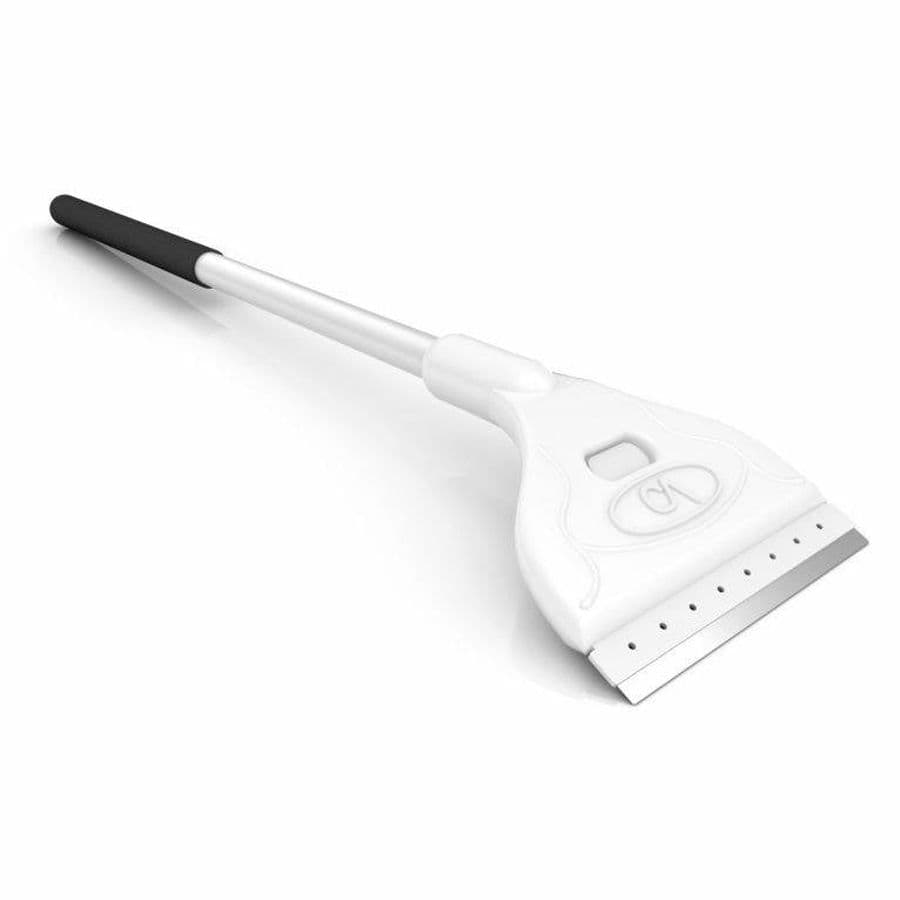
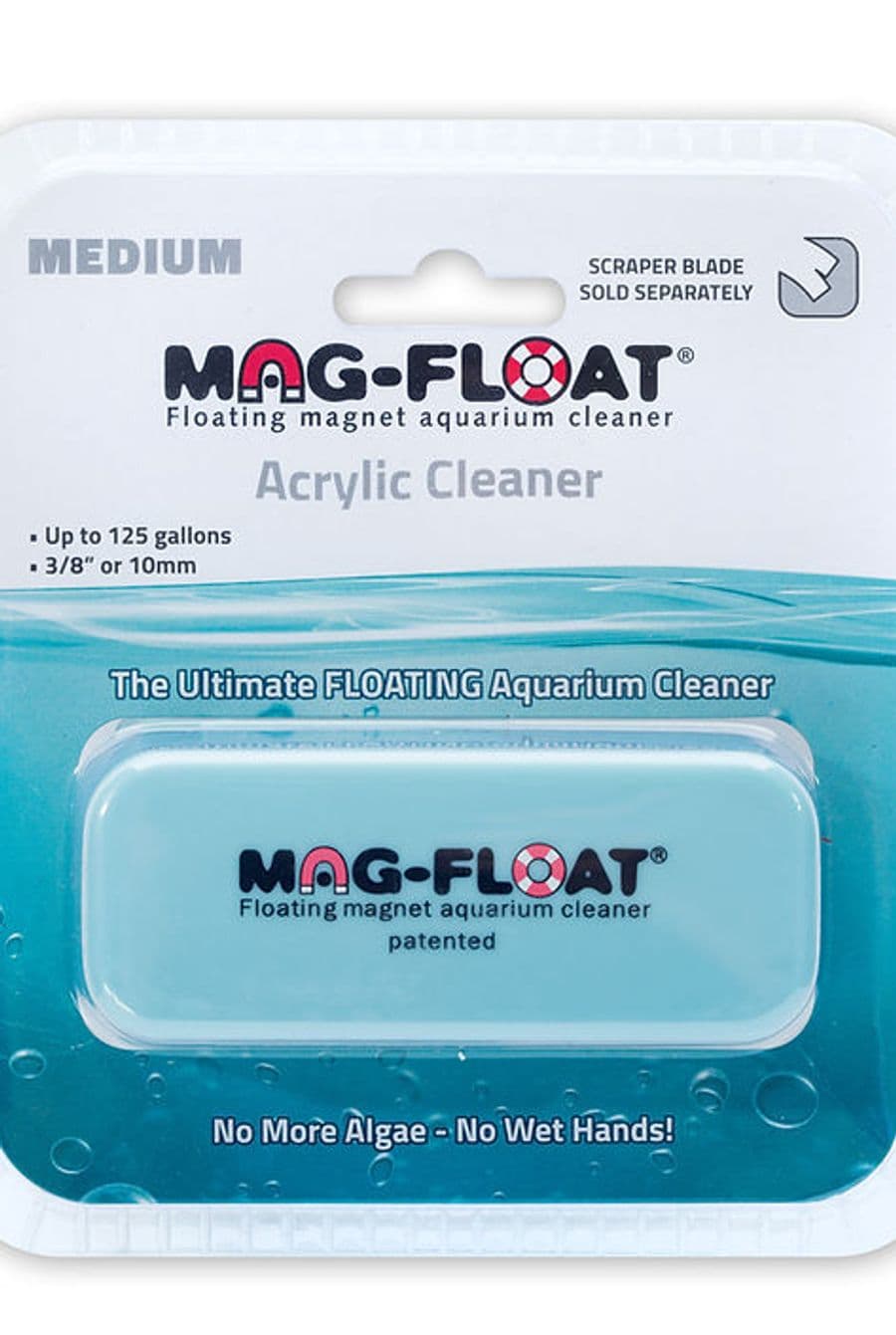
Fix — Cut your photoperiod back and scrape the glass with a razor (an acrylic-safe scraper on acrylic). In a planted tank a lot of it can also mean phosphate is too low, so don't strip every nutrient out.
Grab: Algae scraper / magnet cleaner
You see
Whole tank turns to pea-soup green overnight
Green-water bloom — free-floating algae fed by excess light + nutrients
Fix — You can't wipe it away. A 3–4 day blackout starves it, but the reliable fix is a UV sterilizer, which clears the bloom in days and won't come back if you also fix the light and feeding.
Grab: UV sterilizer
You see
Soft green strands that feel like wet hair
Hair / string algae — the classic too-many-nutrients signal
Fix — Twist the strands out by hand onto a toothbrush first, then attack the cause: feed less, do bigger and more regular water changes, and cut your light back. Removing the mass without fixing the nutrients just grows it back.
Free fix — no gear needed
You see
Dark gray-to-black fuzzy tufts on leaf edges and the filter outflow
Black beard algae (a red algae) — low or swinging CO2, moderate flow
Fix — Spot-treat it: pumps off, draw liquid carbon (a glutaraldehyde product like Seachem Excel) or hydrogen peroxide into a syringe and squirt it right onto the tufts. Snails won't touch it, so manual + spot-treatment is the play.
Grab: Liquid carbon (Seachem Excel)
You see
Slimy blue-green or dark-red sheet that peels off in one piece, musty smell
Cyanobacteria (not actually algae) — nutrient-rich water plus low flow / dead spots
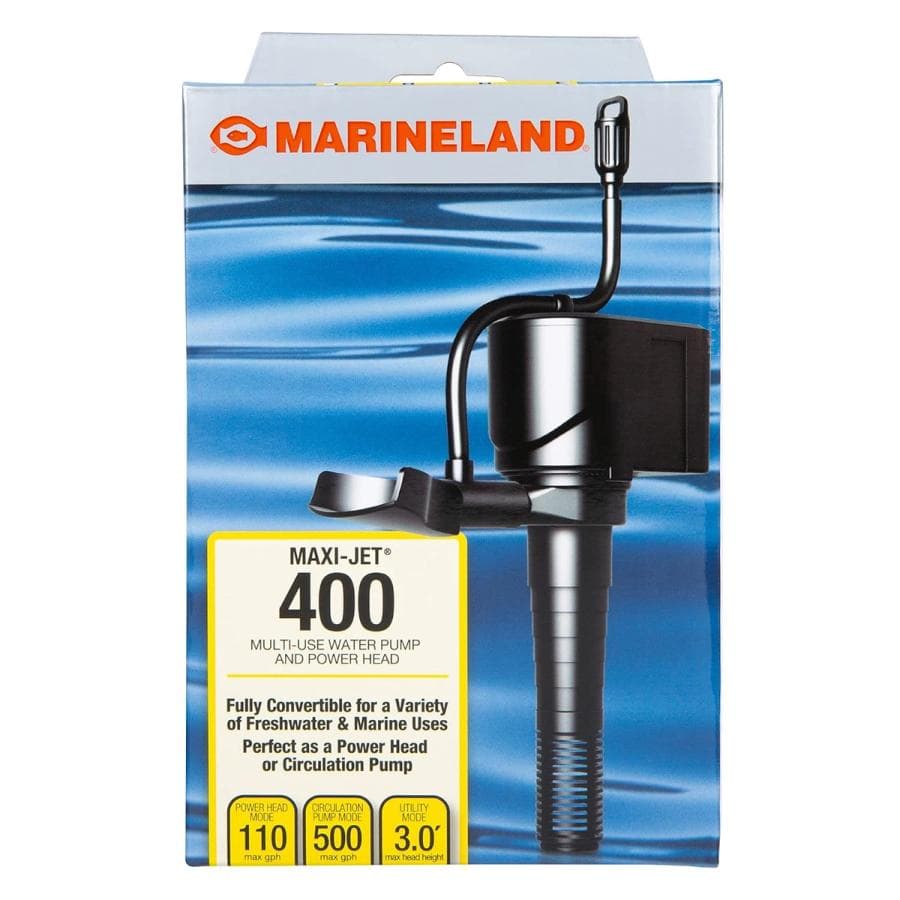
Fix — Two-pronged: siphon the sheet out physically AND add flow to the dead corner with a powerhead. Scrubbing alone never holds because the real trigger is stagnant water. Chemi-Clean is a last resort, not step one.
Grab: Powerhead (to kill dead spots)
You see
Reef tank: algae or red slime that keeps coming back
Phosphate and nitrate climbing — overfeeding, overstocking, or too little export
Fix — Test phosphate and nitrate. If they're high, feed less, boost export (skimmer, water changes, media), and switch your top-off and water-change water to RO/DI — tap water pours phosphate and silicate straight in.
Grab: RO/DI unit
The one rule: algae is a symptom, not a disease
Almost every algae product on the shelf is sold as a cure. Pour it in, the algae dies, and two weeks later it's back, because the light and the nutrients that grew it never changed.
Treat the bottle as a reset button, not a fix. It buys you a clean tank for the week you spend fixing the real cause: shorter light, less food, more water changes, better flow.
Two things follow from that. A tank with low nitrate and a six-hour light won't grow much algae no matter what you dose. And a tank running ten hours of light over a heavy feeding schedule will keep growing it no matter how many bottles you buy.
Brown diatoms: the new-tank dust that fixes itself
A dusty brown film over the glass, sand and decor on a tank that's a few weeks to a couple of months old. It wipes off easily and is back in a day or two.
These are diatoms, feeding on silicate that came in with your water and your new sand. They're harmless, and they're the most common thing people walk in worried about.
The fix is patience. Diatoms burn through the available silicate and disappear on their own once the tank settles in, usually within a month or two of setup. Wipe the glass when it bothers you, keep up your water changes, and don't buy anything for it. An otocinclus or two will graze it off if you want the help. If brown dust is still coating a tank that's over six months old, that isn't a normal diatom bloom, so bring us a water sample.
Green dust: the even haze that wipes right off
A pale green haze spread evenly over the glass. It wipes clear with one pass of a pad and it's back in a few days. The plants and rocks stay clean, and it's usually worst on the pane that gets the most light.
This is green dust algae, and on a healthy tank it's cosmetic. It means light and nutrients are running slightly ahead of what your plants and filter are using up.
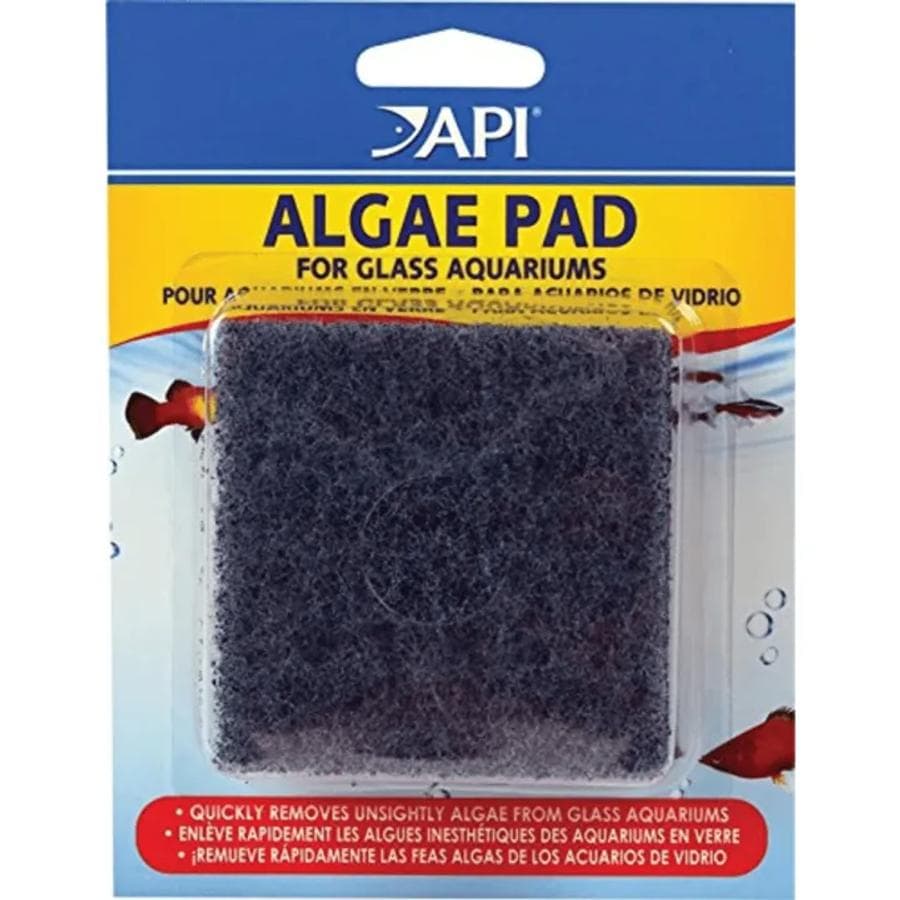
Wipe it with an algae pad when you do your weekly water change and that's the whole job. If you'd rather it slowed down, take an hour off the light timer. Don't reach for a blade scraper, because it doesn't need one and a blade dragged across clean glass is how tanks get scratched.
Green spot: the hard dots a sponge won't touch
Small, hard green dots stuck flat to the glass and to slow-growing leaves like anubias. A sponge slides straight over them. That's the tell: if it wipes off it's dust, and if it doesn't it's spot.
Green spot usually means strong light on a tank that's short on phosphate. That surprises people, because phosphate is normally the thing you're trying to get rid of. In a planted tank, though, plants starved of phosphate stop competing, and green spot moves into the gap.
On glass, a razor scraper clears it in one pass. On plant leaves don't scrape at all, just trim the worst leaves off and let new ones replace them. Then shorten the photoperiod, and if the tank is planted and nitrate is low too, a general plant fertilizer usually stops it coming back.
Green water: when the algae is floating, not growing
The water itself turns pea-soup green and you can barely see the back of the tank. Surfaces stay reasonably clean, which is what separates this from everything else on this page. The algae is free-floating in the water column, not attached to anything.
It's set off by a nutrient spike plus light: a heavy feeding, a dead fish you didn't find, a disturbed substrate, or direct sun landing on the tank.
Water changes alone rarely win, because you're diluting something that reproduces faster than you can dilute it. The reliable fix is a UV sterilizer, which usually clears the tank in two to four days. A three-day blackout works too and costs nothing: lights off, tank wrapped in a towel or a blanket, no feeding. Either way, find the nutrient source afterwards or it comes straight back.
Hair and string algae: the nutrient-overload classic
Long, soft green strands that drape off rocks, plants and equipment and feel like wet hair when you grab them. This is the one that takes a tank over fast, and it's what most people are looking at when they walk in.
It's the honest nutrient problem. Too much food going in, not enough water going out, nitrate and phosphate climbing, and the light still on ten hours a day. Hair algae is simply the organism best set up to use all of that.
Pull it out by hand first. Twist it onto an old toothbrush and lift it out of the tank rather than letting it break up and re-seed everywhere. Then change 40 to 50 percent of the water, cut feeding back to what your fish finish in a minute or two, drop the light to six or seven hours, and keep changing water weekly until nitrate reads low. Grazers help hold the line once you've knocked it back, but nothing in a bag is going to eat an established mat for you.
Black beard algae: the dark tufts on your outflow
Dark gray to near-black tufts, short and stiff like tiny brushes, growing on leaf edges, on driftwood, and especially right where your filter outflow hits. It's the ugliest one and the most stubborn.
BBA likes swinging CO2 levels and it likes old, exhausted filter media, which is why it so often shows up on the highest-flow surfaces of a tank that isn't circulating well overall.
Spot dosing is what works. Turn the pumps off, draw 3% hydrogen peroxide from the drugstore into a small syringe, squirt it straight onto the tufts, wait five minutes, then turn the flow back on. The BBA turns red or pink over a couple of days and dies off. Hardscape you can lift out and treat in a bucket. A Siamese algae eater is the one fish that will genuinely graze BBA, though they eat less of it as they mature. Either way, finish the job by cleaning or replacing the filter media and evening out the flow.
Cyanobacteria: the slimy sheet that isn't even algae
A slimy blue-green or dark red sheet coating the sand or draping over rock, often with tiny bubbles trapped on it. If it peels away in one piece like a skin, that's cyano.
It isn't algae at all, it's a bacteria, which is exactly why algae products do nothing to it. It sets up wherever water sits still: the sand under a rock, the back corners, anywhere the flow doesn't reach.
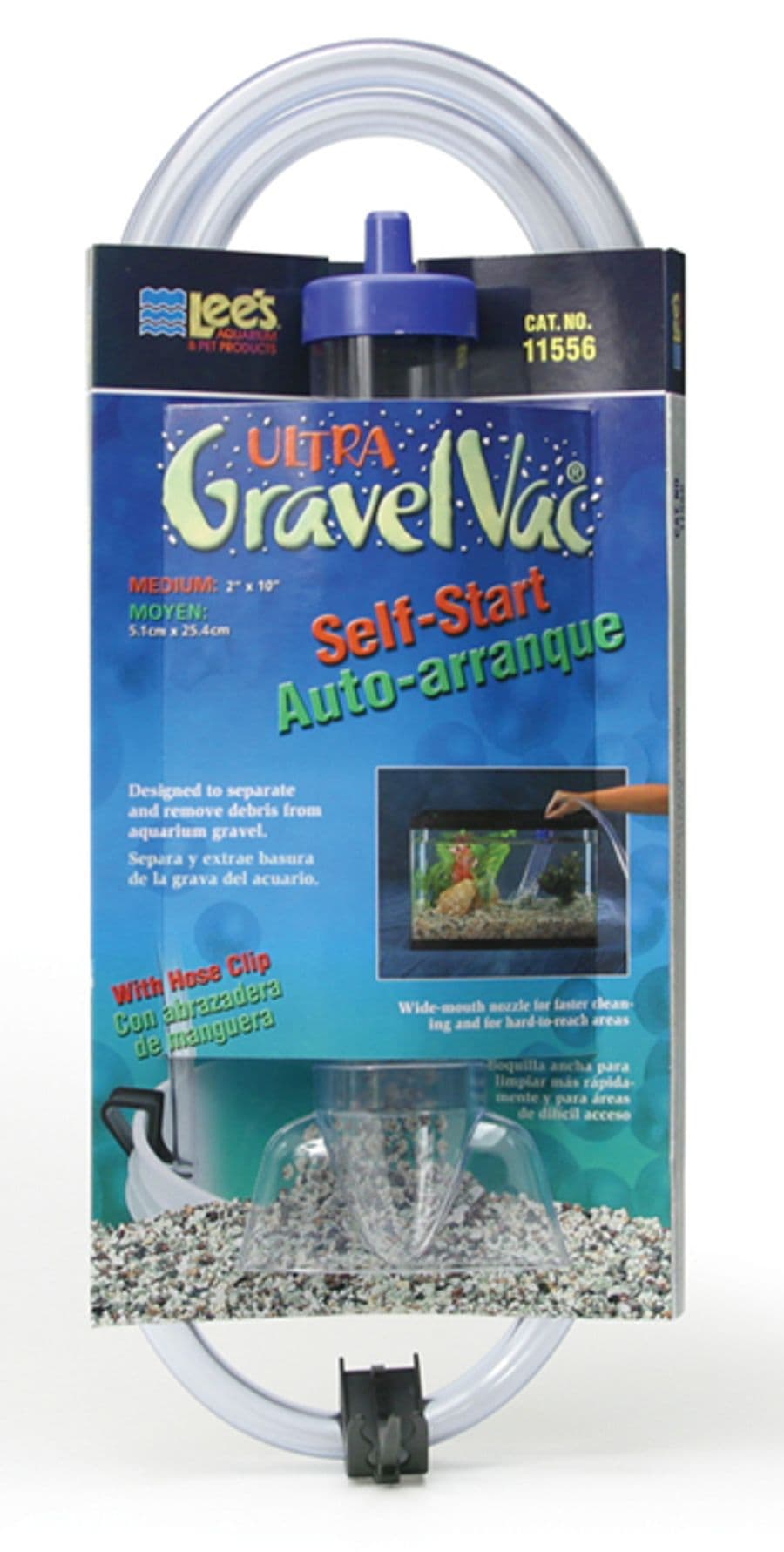
Siphon it out at every water change, because it lifts straight into a gravel vac in whole sheets. Then put flow into the dead spot with a small powerhead aimed low across the sand, cut feeding, and in a reef get nitrate and phosphate down. That combination clears most cases in two to three weeks. Chemical cyano treatments do work, but if the flow and the nutrients don't change it comes back, and a big die-off in a small tank can pull your oxygen down overnight.
Bubble algae: the green marbles on saltwater rock
Round, glossy emerald spheres growing in clusters on live rock, anywhere from pea-sized to a marble. Saltwater only. Each bubble is a single enormous cell full of fluid.
That last part is why the usual advice makes it worse. Pop one in the tank and it releases spores across the rockwork, and a month later you have ten.
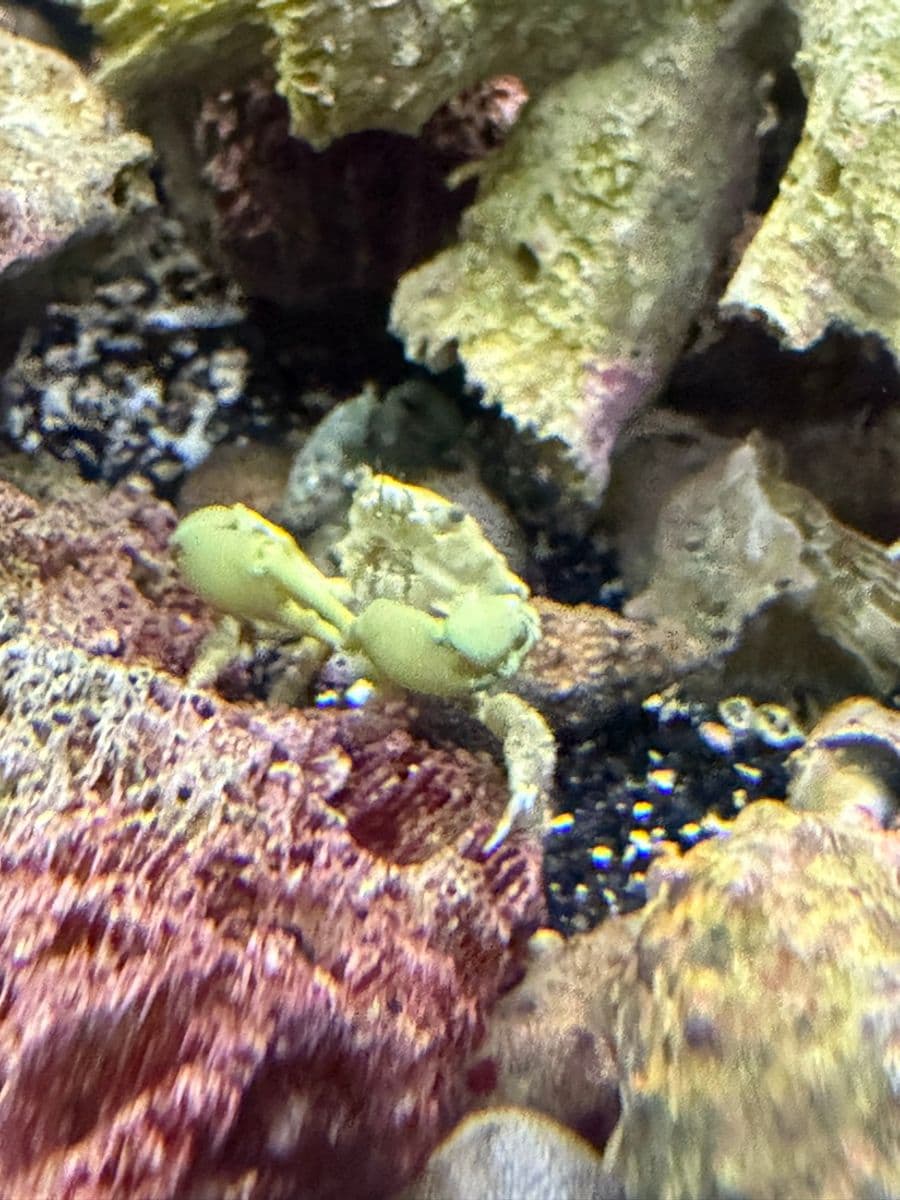
Take them off intact instead. Pull the rock if you can, then twist or peel each bubble away at the base underwater, siphoning as you go so anything that does rupture leaves with the water. Emerald crabs graze it and are worth adding to a reef with a persistent case. After that it's the same story as every other reef algae problem: get phosphate and nitrate down and it stops coming back.
Reef tanks: it comes down to phosphate, nitrate and your water
Saltwater plays by the same rules, but reefers have sharper tools. Algae and cyano in a reef are almost always a phosphate and nitrate story, and the source is usually one of three things: overfeeding, a skimmer that's undersized or not pulling, or the water you're mixing with.
Tap water is the one people miss. Erie tap carries phosphate, nitrate and silicate, and every top-off pours more of all three in. If you're mixing salt with tap water or topping off with it, that alone can keep a reef algae-covered no matter what else you fix. RO/DI water gives you a zero baseline, and it's the single biggest upgrade for a reef you can't get clean.
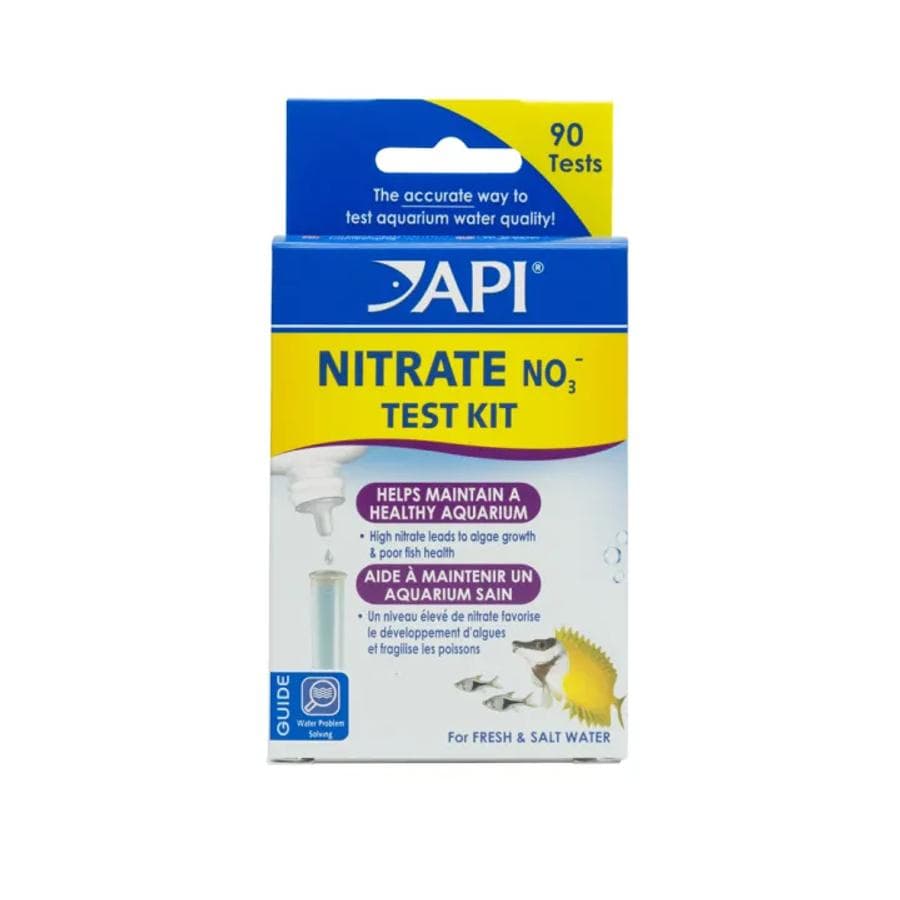
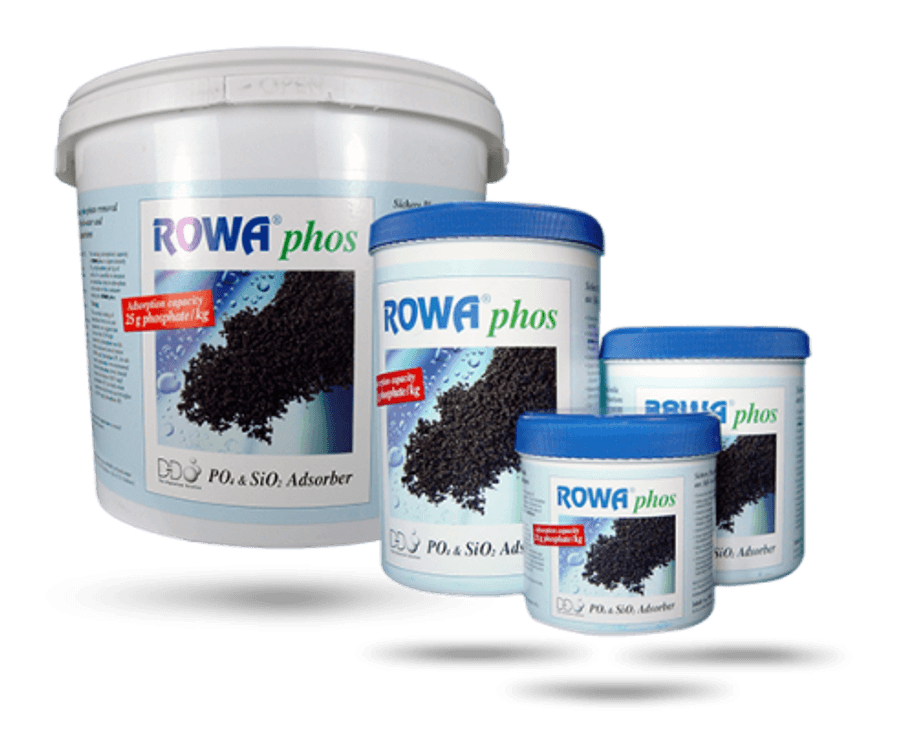
Test both nitrate and phosphate, not just nitrate. Phosphate drives most reef algae and most people never measure it. Aim for nitrate under about 10 ppm (parts per million) and phosphate under about 0.1 ppm on a mixed reef. If phosphate stays high after you've fixed the feeding and the water changes, phosphate-adsorbing media pulls it back out.
Your prevention routine: the boring stuff that works
Once the tank is clear, keeping it clear is a short list of cheap habits.
Put the light on a timer, six to eight hours a day for a fish tank or a low-tech planted tank, and keep direct sun off the glass. Feed what your fish finish in a minute or two, once a day. Change 20 to 25 percent of the water every week and vacuum the substrate while you do it, because that is how nutrients actually leave a tank. Wipe the glass at the same time so nothing gets a foothold.
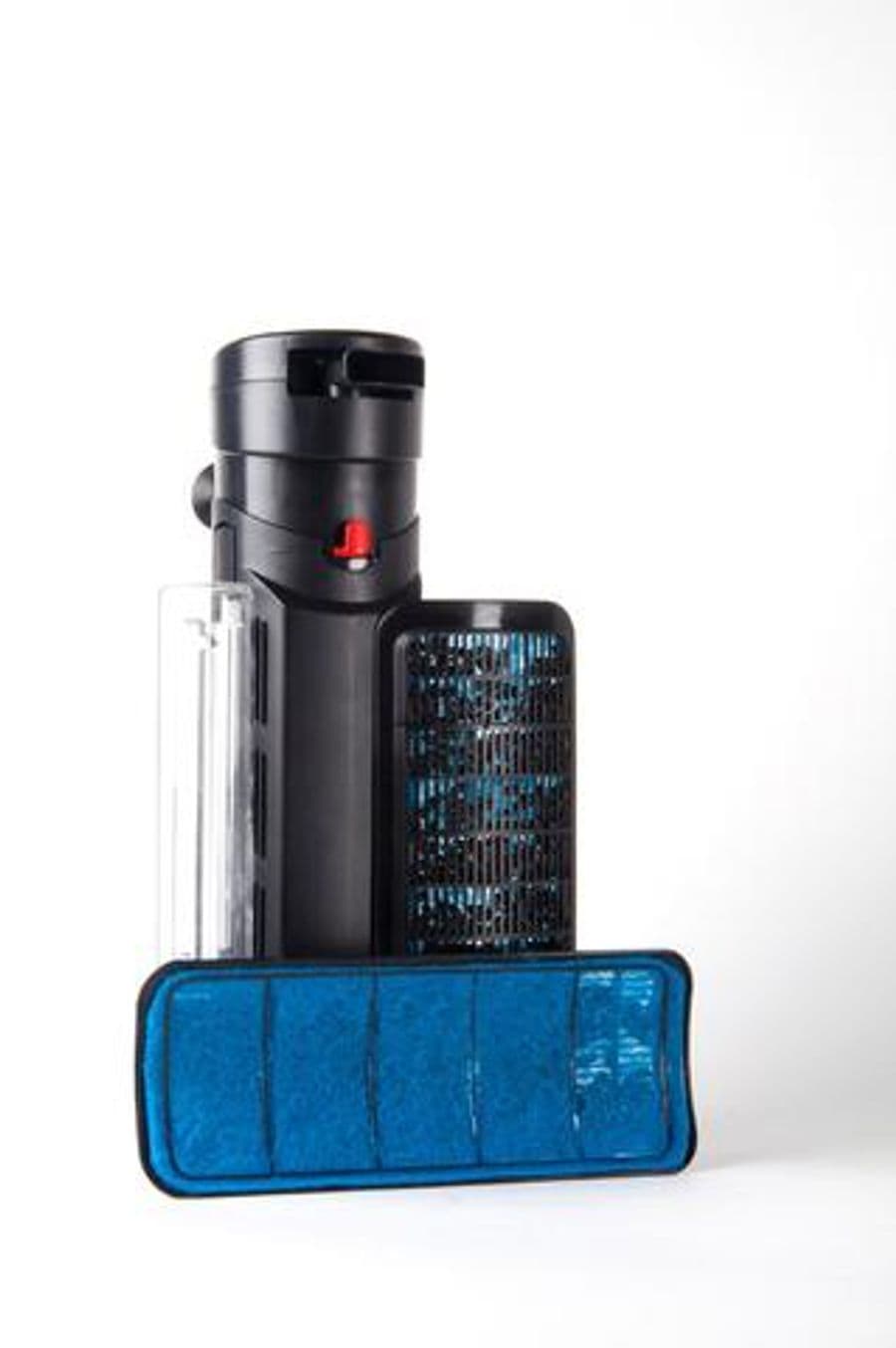
Rinse or replace filter media on schedule, since clogged media stops exporting and starts releasing. Keep the flow even with no still corners. And test nitrate every couple of weeks, so you catch a climb before you can see it.
None of that costs much. All of it beats a bottle.
Common questions
- Why does my fish tank keep getting algae no matter what I do?
Because the treatment kills the algae but not the cause. Algae runs on light plus nutrients, so if the light stays on ten hours and nitrate keeps climbing, every bottle buys you about two weeks. Shorten the photoperiod, feed less, and change water weekly, and the problem stops returning.
- Is brown algae in a new tank bad?
No. Brown dust on a tank that's a few weeks to a couple of months old is diatoms feeding on silicate from your new sand and your water. It's harmless and it burns itself out as the tank settles in. Wipe the glass, keep changing water, and don't buy anything for it.
- How do I get rid of green water in my aquarium fast?
A UV sterilizer is the reliable fix and usually clears a pea-soup tank in two to four days. A three-day blackout with the tank covered and no feeding works too and costs nothing. Both are temporary unless you also find what spiked the nutrients.
- What is the red slime in my saltwater tank?
Cyanobacteria. It's a bacteria rather than an algae, which is why algae treatments don't touch it. It grows where flow is dead and nutrients are high, so siphon it out at water changes, aim a powerhead across the sand, cut feeding, and bring phosphate and nitrate down.
- Do algae eaters actually fix an algae problem?
They hold a clean tank clean. They won't clear an established outbreak, and buying a pleco for a tank whose real problem is overfeeding just adds another fish producing waste. Knock the algae back yourself first, fix the cause, then let grazers keep up with it.