What this covers
Biological filtration
The bacteria that turn fish waste into something harmless. The real filter.
7 in the shop
Acclimation & quarantine
Getting new arrivals home safely, and not importing disease with them.
Disease & parasite treatment
Treating ich, fungus, parasites and infections, usually away from the display tank.
19 in the shop
If you've spent any time around the hobby, you've heard "always quarantine." You've probably also ignored it, because the advice usually arrives with no instructions, and a second tank sounds like a second full setup to clean, aquascape, and babysit. That friction is real. The reality is much smaller than the picture in your head.
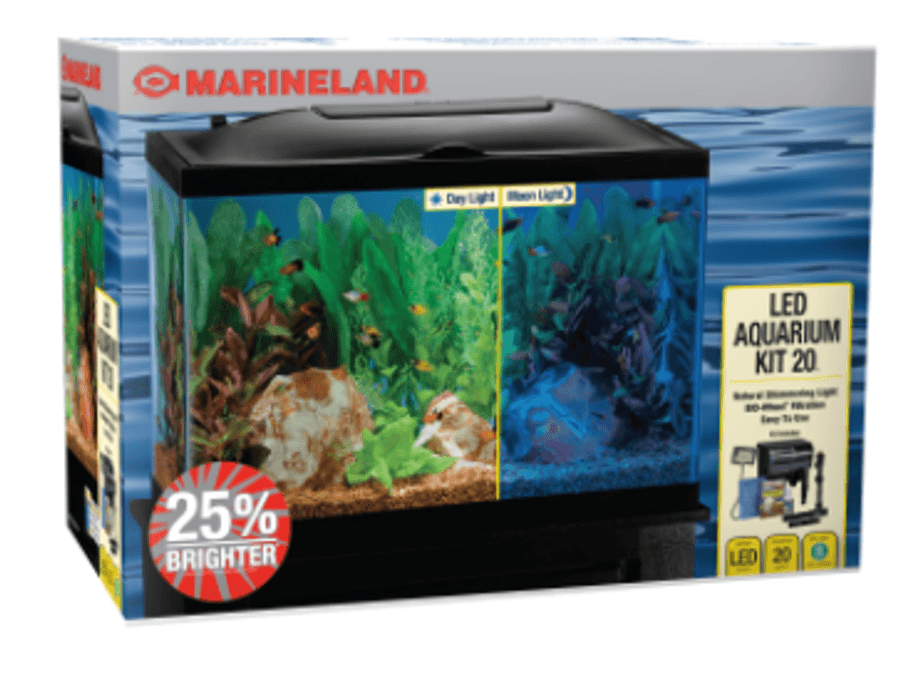
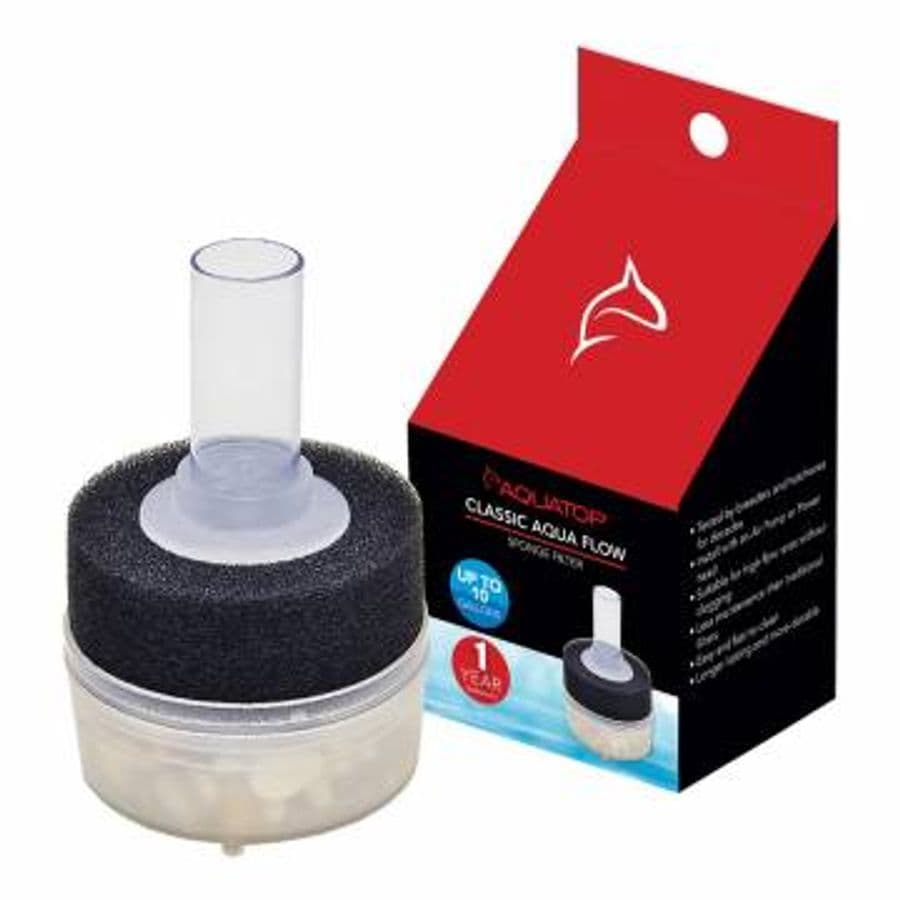
A quarantine tank (QT, sometimes "hospital tank") is the opposite of your display. No substrate, no rock, no aquascape, nothing pretty. It's a bare box of water with a heater, a seeded sponge filter, and a piece of PVC pipe for the fish to hide in. It exists to do two jobs: let you watch a new arrival for a few weeks before it touches your main tank, and give you a place to treat a sick fish without dumping medication into your display.
That second job is the one people underestimate. Most fish medications harm the things that make your tank work: the beneficial bacteria in your filter, your shrimp and snails, and on the reef side your corals and other inverts. Copper, the standard treatment for marine ich, will flat-out kill inverts and corals and can leach into rock and sand for a long time afterward. None of that belongs in your display. It belongs in a bucket-simple tank you can tear down and bleach.
This guide covers both fresh and salt. The tank is the same either way; the diseases and the treatments differ. We'll tell you what to buy, what to skip, and where to stop guessing and bring it to us. Every part on the list is something you can pick up from us here in Erie.
Why a separate tank, and why so bare
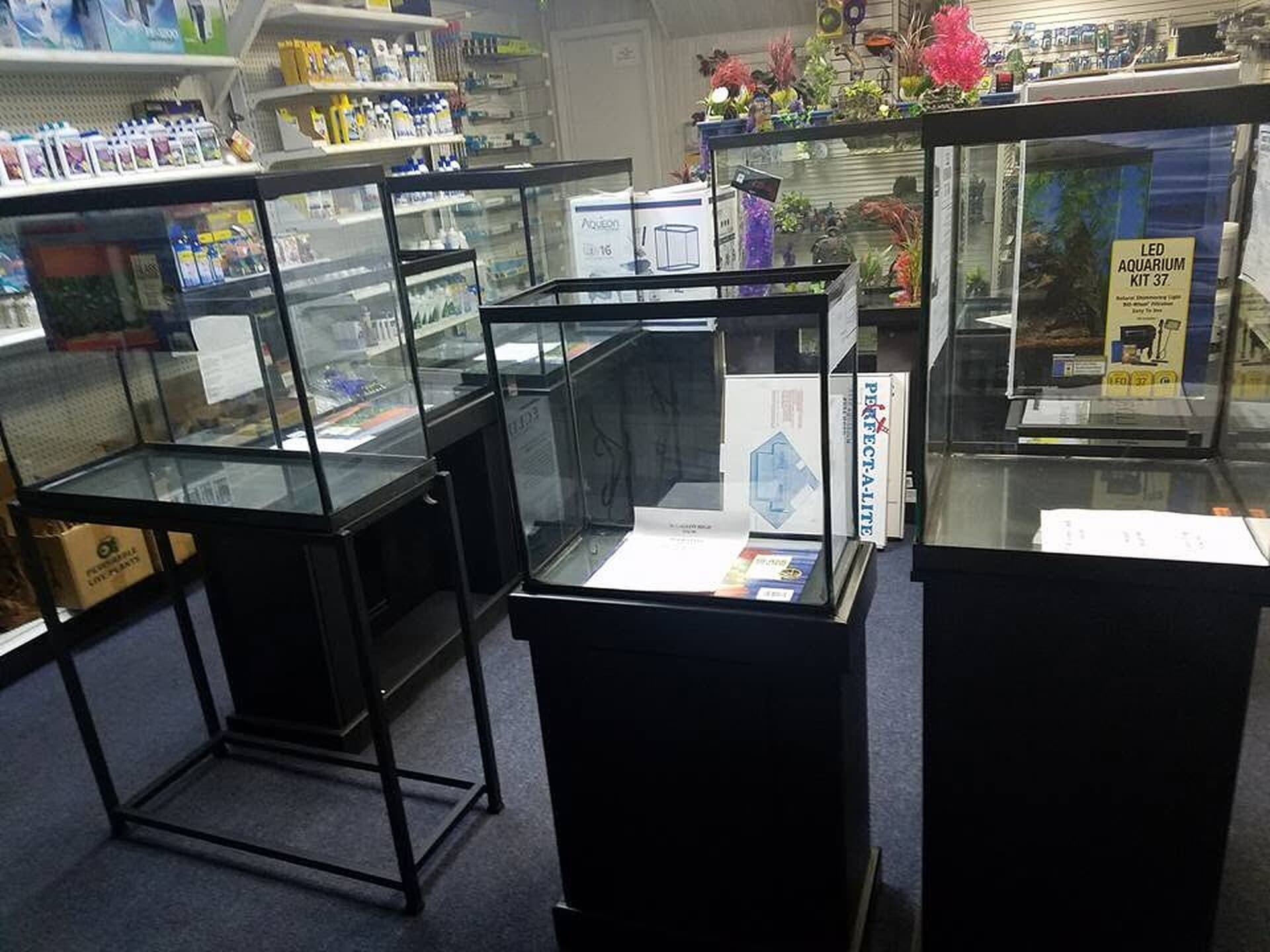
Quarantine is isolation, and a hospital tank works because that you can medicate it without consequences. A 10 to 20 gallon tank does both. Ten gallons is plenty for most single fish or a small group of the same species; step up to 20 if you're holding a tang, a larger cichlid, or several fish at once.
Keep it bare-bottom on purpose. No gravel, no sand, no live rock, no plants. Substrate and rock trap medication, soak up copper, and give parasites places to complete their life cycle out of reach. A bare glass bottom is easy to see waste on, easy to siphon, and easy to disinfect when you're done. The only furniture is a length of PVC pipe or a couple of plastic fittings so the fish has somewhere to feel hidden. Less stress means a fish that keeps eating, and a fish that keeps eating is a fish that recovers.
Think of it as disposable infrastructure. When treatment's over, you drain it, bleach it, rinse it well, dry it, and store it flat until the next time.
Seed the filter before the fish arrives
A QT still needs to be cycled, or the ammonia from a stressed, possibly-sick fish will finish what the disease started. The easy way is a sponge filter that's been sitting in your display or sump for a few weeks, quietly growing bacteria. When you need the QT, you pull that seasoned sponge, drop it in the quarantine tank, and you've got an instant biological filter.
The habit to build: always keep a spare sponge filter running in your main system. It costs you nothing once it's in there, and it means you're never scrambling to cycle a tank the day you bring a fish home. If you didn't plan ahead, you can still run the QT and lean on water changes plus a bottled bacteria starter, but you'll be testing ammonia daily and changing water often. See our guide on cycling a new aquarium if the nitrogen cycle is new to you.
One catch worth knowing: copper and many medications will kill the bacteria in that sponge. If you medicate, expect to manage ammonia by hand for the duration and re-seed afterward. That's normal. It isn't a sign you did anything wrong.
Match the water to where the fish came from
Fill the QT with water that matches the tank the fish is going into, or matches our shop water if it's a new arrival from us. Same temperature, and on saltwater the same salinity. A fish that's already stressed from shipping or illness does not need a salinity or temperature swing on top of it.
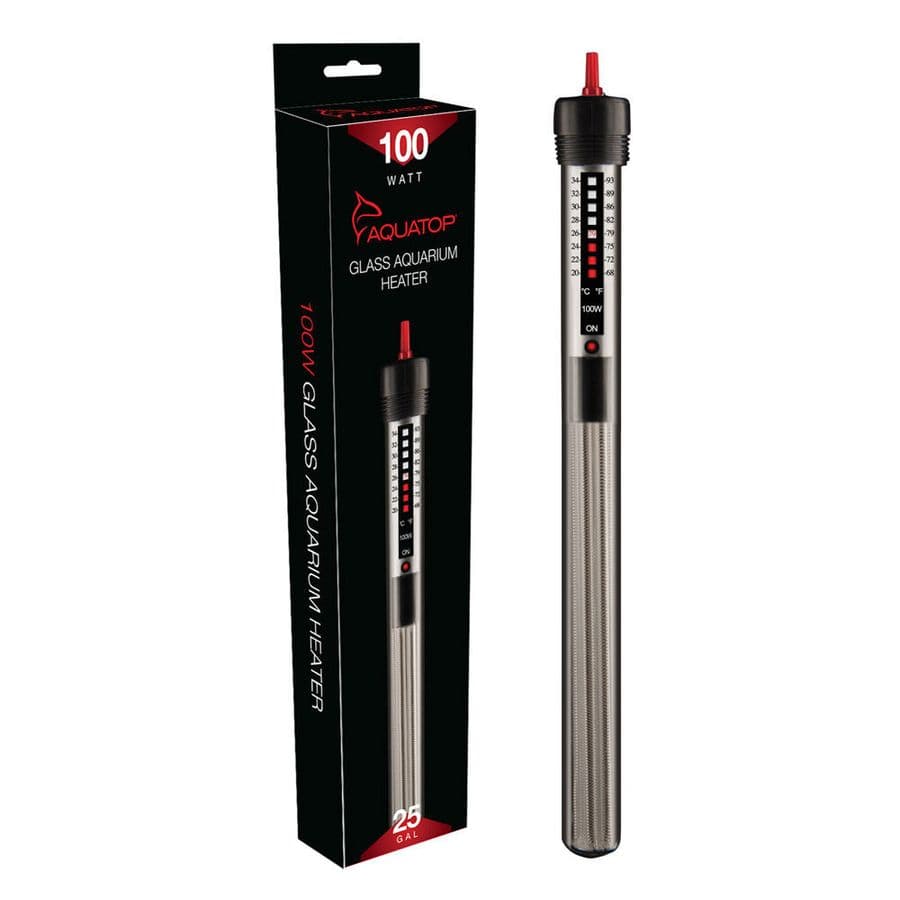
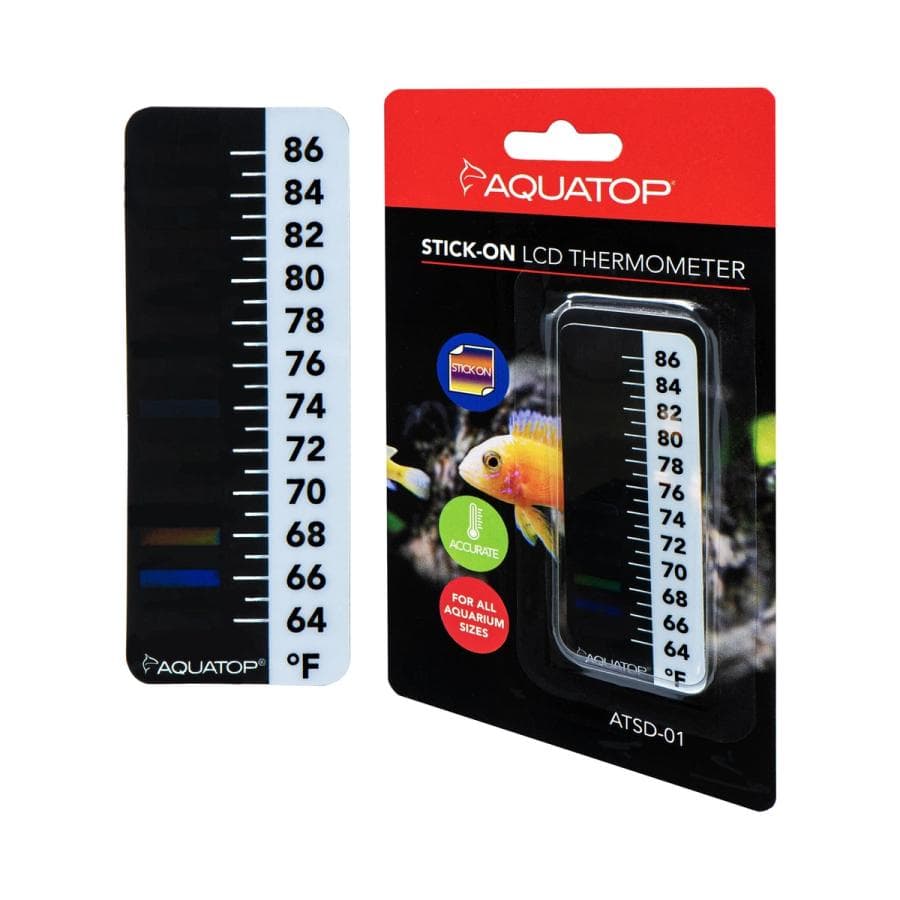
Get the heater in and stable before the fish goes in, and keep a thermometer on the glass so you're reading the actual water, not the heater's dial. For most tropical fish you're looking at roughly 76 to 80°F; we can confirm the right range for your specific species. Size the heater with a little headroom, because treating freshwater ich means raising the temperature to around 86°F, and an undersized heater can't get a 20-gallon tank there. Our guide on sizing your filter, heater and lighting covers the wattage math; for a QT that may need to hit treatment temps, plan on roughly 5 watts per gallon.
Lighting is optional and honestly best kept dim. A QT isn't for display, and lower light keeps a nervous fish calmer. Skip the fancy fixture; a low ambient room light is plenty.
The observation period: just watch and feed
If the fish looks healthy, you're not treating anything yet. You're observing. Feed normally and watch for trouble: scratching or flashing against objects, white spots like grains of salt, clamped fins, rapid breathing, fuzzy patches, frayed fins, or a fish that won't eat. Many diseases that hitchhike in on a new fish only show themselves once the fish settles and the stress of shipping wears off, which is exactly why you wait.
Two to four weeks is the working window for most freshwater fish. On the saltwater side, give it longer. Marine ich (Cryptocaryon) can sit latent for weeks, so a lot of experienced reef keepers run new fish through a minimum of four to six weeks before they trust them near a display. Pulling a marine fish early is how an outbreak ends up in the reef you spent a year building.
Keep up small, frequent water changes during this period, since a bare tank with no substrate has limited buffer. Test ammonia and nitrite the way you would on any uncycled or lightly-cycled tank, and keep them at zero. If the fish sails through the whole window clean, eating, and acting normal, it's earned its spot. Acclimate it into the display the same careful way you would any new fish. If something shows up, you're already exactly where you want to be to deal with it.
Treating marine ich and other saltwater diseases
Marine ich (Cryptocaryon irritans) is the classic reason reef-keepers swear by quarantine. It shows as fine white spots and flashing, and it spreads fast in a closed system. There are two well-established approaches, and both happen in the QT, never the display.
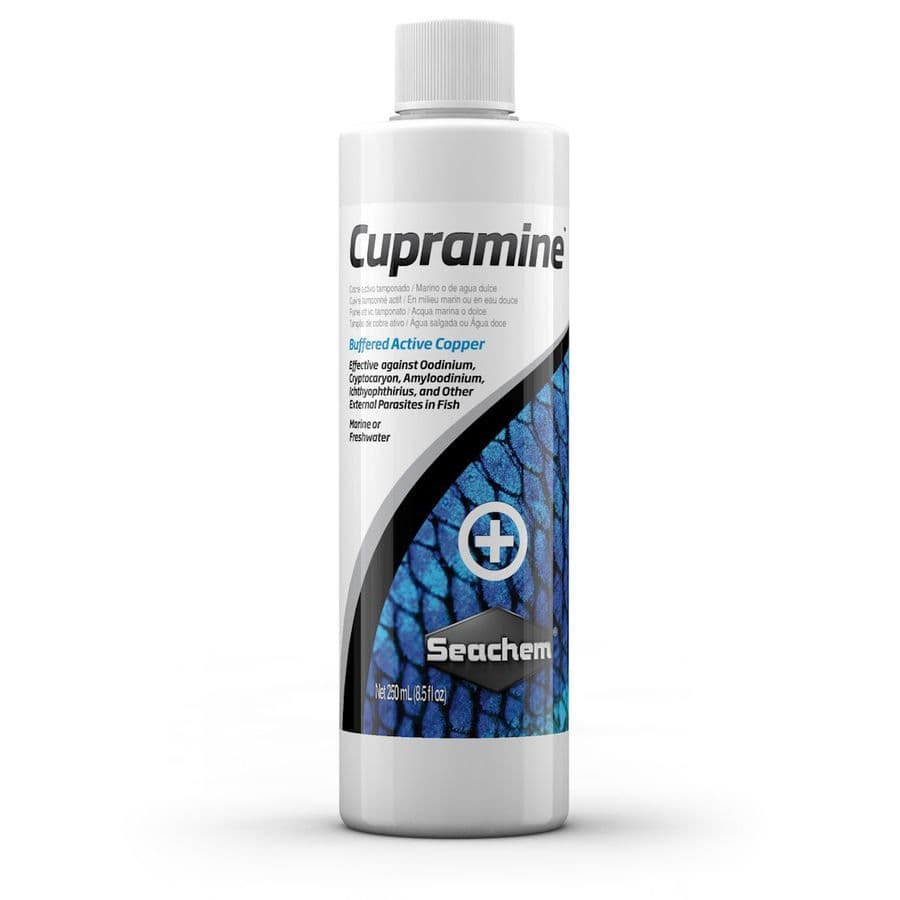
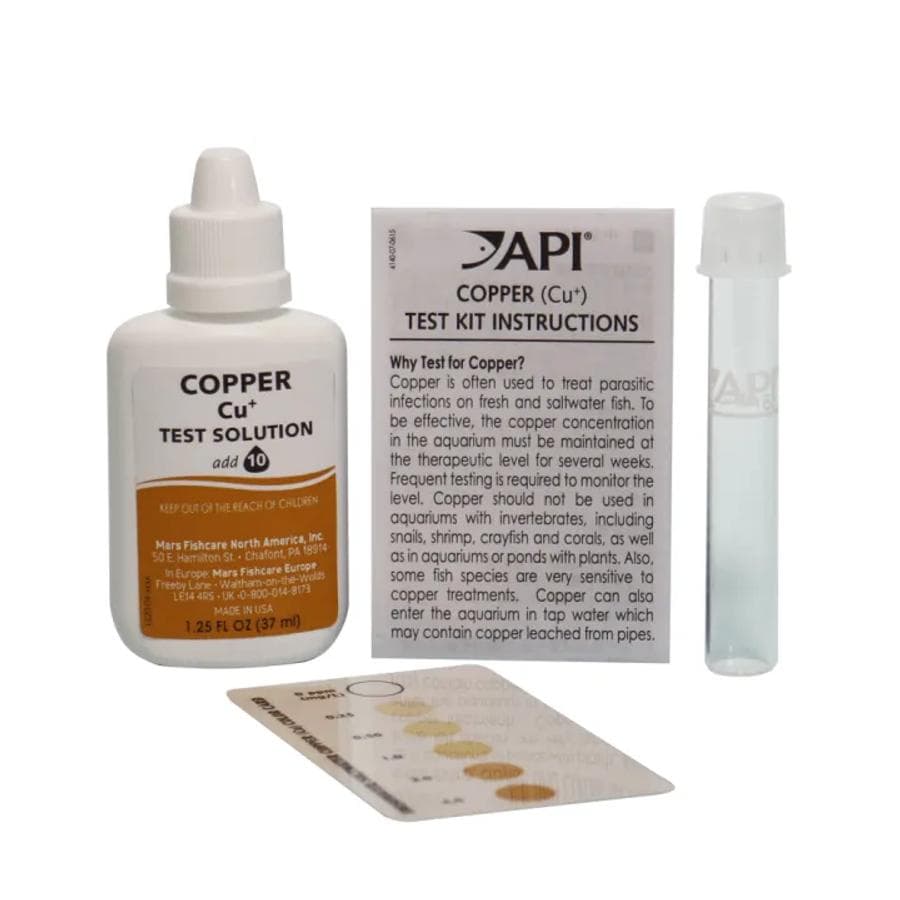
The first is copper at therapeutic levels, held steady for the full course while you test copper concentration daily with a dedicated test kit. Copper has a narrow window: too little doesn't work, too much poisons the fish, so measuring is not optional. The exact target level and duration depend on the product, so follow the label, and stop in if you want to walk through it before you start. The hard rule with copper: never expose invertebrates, corals, snails, crabs, or live rock to it. It kills them and lingers. Copper belongs only in a bare QT.
The second approach is the tank-transfer method, which uses no medication at all. You move the fish between two clean, fully-separate setups on a fixed schedule that breaks the parasite's life cycle before it can reinfect. It's labor-intensive but invert-safe and very effective when done precisely. Other saltwater issues like marine velvet, brooklynella, or bacterial infections each call for a different treatment, so the first move is always to identify what you're actually looking at. Getting the diagnosis right is most of the battle, and we're glad to help you ID it from a clear photo or a description of the behavior.
Treating freshwater ich and freshwater diseases
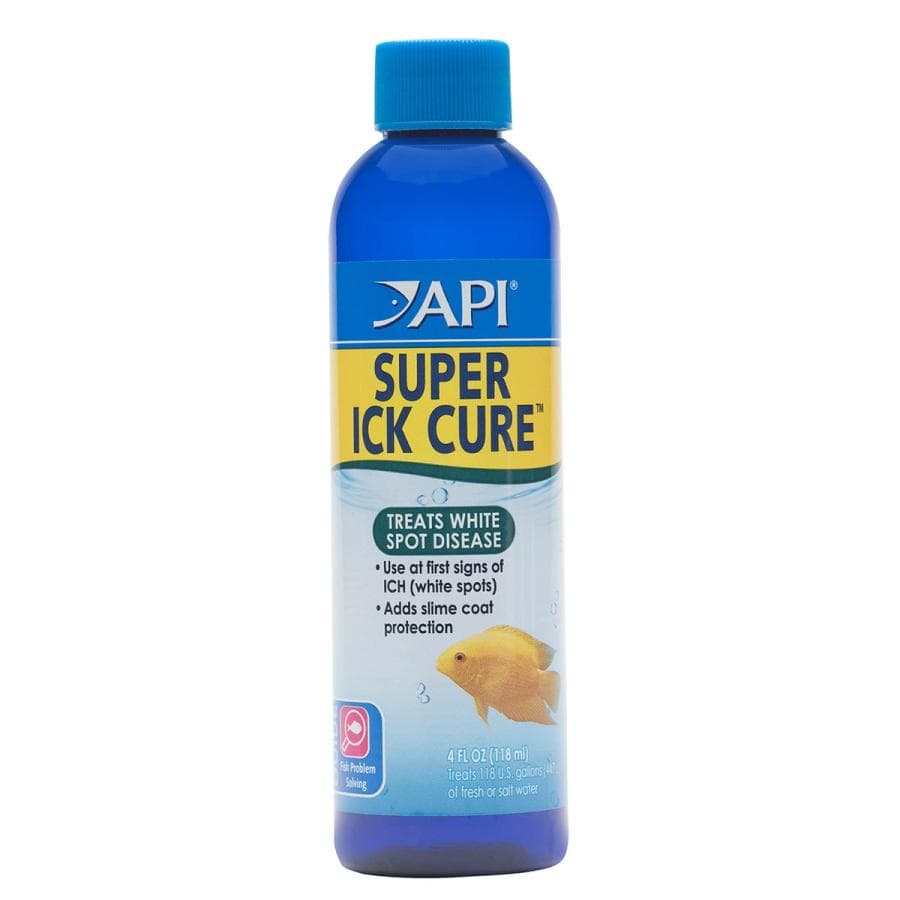
Freshwater ich (Ich, Ichthyophthirius multifiliis) looks similar, small white spots and flashing, but it's a different parasite and the treatment is different. The classic, well-proven approach is heat: raise the temperature gradually to around 86°F (30°C) and hold it there for about ten days, which speeds the parasite through its life cycle to a stage you can clear. Heat alone at that temperature, sustained, is enough to clear ich in many setups without any medication at all. You can add an ich medication alongside the heat for a stubborn case or a heavily-infected tank, but it isn't automatically required, so don't reach for a bottle by reflex.
Watch the fish's tolerance for the heat the whole way up, and add extra aeration, because warm water holds less oxygen. Not every fish tolerates 86°F or every medication. Some scaleless fish and certain species are sensitive to common ingredients like malachite green, so read the label for species cautions and dose to the actual tank volume rather than a guess.
Other freshwater problems, fin rot, fungus, columnaris, internal parasites, each have their own medication, and a broad-spectrum 'cure-all' often isn't the right tool. Match the med to the disease. Send us a clear photo or describe the behavior and we'll point you at the right treatment rather than have you throw three medications at the water and hope.
Match the medication to the disease (don't shotgun it)
The most common quarantine mistake we see isn't skipping QT, it's reaching for every bottle on the shelf at once. Medications interact, some cancel each other out, some compound toxicity, and a tank full of mixed meds is harder on the fish than the disease was. Diagnose first, treat one thing deliberately, finish the full course even if symptoms fade early.
Dosing is always to the actual water volume of the QT, and a bare 10 or 20 gallon tank holds less than its rated size once you account for displacement and a partial fill. Underdosing breeds resistant parasites; overdosing poisons the patient. Follow the product label for the dose, the duration, and any species warnings. We're not going to print a dosing chart here because it varies by product and by what you're treating, and a wrong number is worse than no number.
If you can't confidently name what you're treating, stop and ask. Bring a photo and your water numbers in and we'll help you pin it down. We'd rather spend ten minutes getting the diagnosis right than sell you the wrong cure.
Breaking it down when you're done
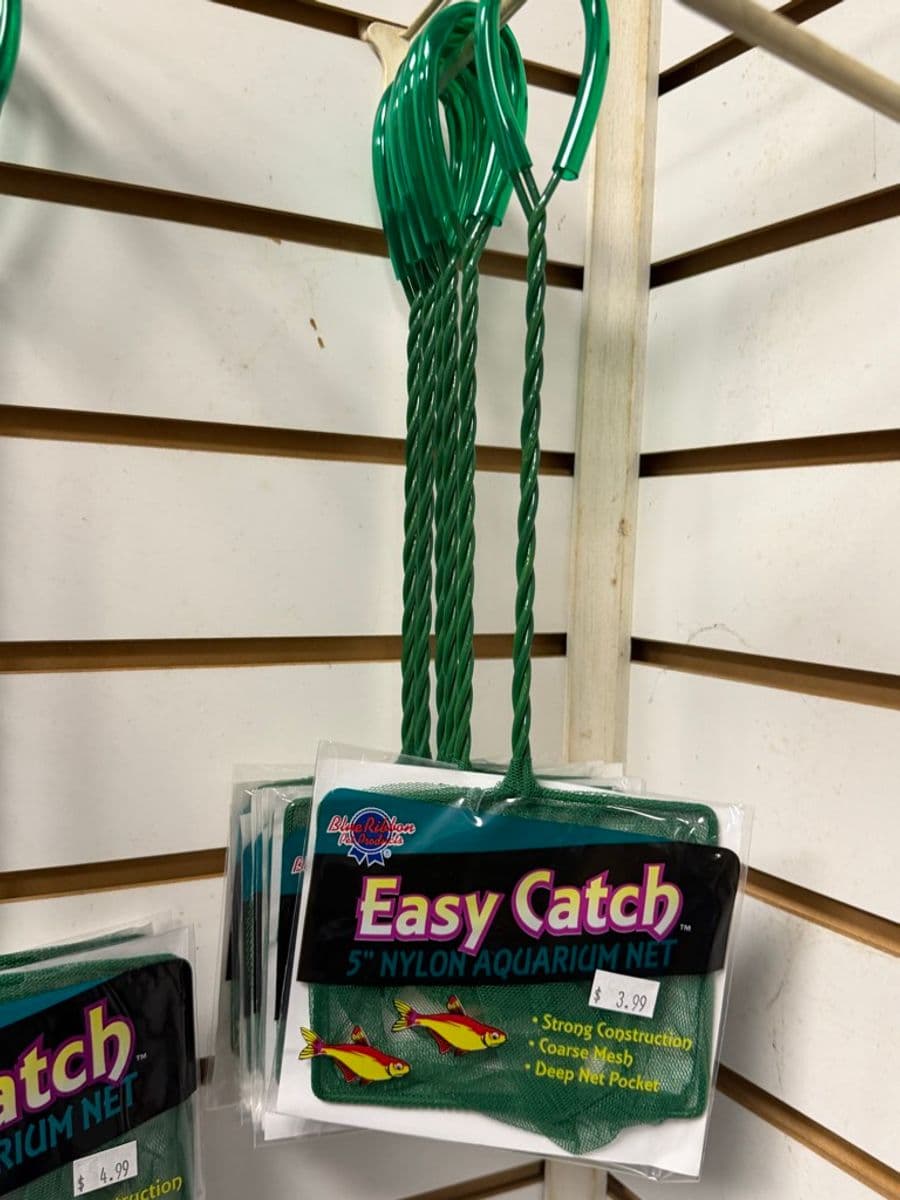
After a fish clears quarantine or finishes treatment and goes into the display, fully reset the QT before the next use. Drain it completely, scrub it with a dilute bleach solution, rinse thoroughly, and let everything dry fully. The PVC, the net, the heater, the hardware: anything that touched a sick fish gets disinfected so you're not carrying a problem forward to the next arrival.
If you ran copper, the sponge filter media is spent for biological purposes and copper can cling to it, so plan to re-seed a fresh sponge from your main system rather than reuse a copper-soaked one. Nets and siphons used in the QT should never go back into your display without disinfecting and drying first, since cross-contamination on shared equipment quietly undoes the isolation you set the quarantine tank up for.
Store the empty tank, heater, and hardware together so it's a fifteen-minute setup next time. The shops and hobbyists who never seem to have disease outbreaks aren't lucky. They just keep a QT ready to go and have the discipline to use it.
Common questions
- How long should I quarantine new fish?
For freshwater, two to four weeks is the standard window. For saltwater, give it longer, a minimum of four to six weeks, because marine ich (Cryptocaryon) can stay latent for weeks before it shows. If the fish stays clean, eating, and acting normal through the whole period, it's safe to move into your display.
- Do I really need a separate quarantine tank?
If you have a display you care about, yes. The big reason is medication: most fish meds, and especially copper, harm beneficial bacteria, invertebrates, corals, and live rock, so you can't safely treat a sick fish in your main tank. A QT also keeps ich and other diseases from ever entering the display in the first place. It's a bare, cheap box of water, far simpler than a second full aquarium.
- Can I treat ich in my main display tank?
We don't recommend it. On the saltwater side, the standard treatments like copper will kill your inverts and corals and can linger in rock and sand. On the freshwater side, meds can wipe out your filter bacteria and stress sensitive species. Treating in a bare QT protects everything you've built in the display. Move the sick fish, and treat it there.
- What's the difference between freshwater ich and marine ich?
They look similar, white salt-grain spots and fish flashing against objects, but they're different parasites and the treatments differ. Freshwater ich responds to sustained heat around 86°F, with an ich medication added only if heat alone isn't enough. Marine ich (Cryptocaryon) is treated with copper at therapeutic levels or the tank-transfer method, never copper around inverts or corals. Identify which one you're dealing with before you treat.
- How do I cycle a quarantine tank quickly?
The easiest way is to keep a spare sponge filter running in your main tank at all times. It grows beneficial bacteria for free, and when you need the QT you just move that seasoned sponge over for an instant biological filter. If you didn't plan ahead, you can run the QT with frequent water changes and a bottled bacteria starter while you test ammonia daily.
- Why no gravel or substrate in a quarantine tank?
A bare bottom is deliberate. Substrate and rock absorb medication (copper especially), trap waste, and give parasites places to complete their life cycle out of your reach. A bare glass bottom is easy to see waste on, easy to siphon clean, and easy to disinfect when treatment is over. A piece of PVC pipe gives the fish a hideout without any of those downsides.
- What size tank do I need for quarantine?
Ten gallons handles most single fish or a small group of the same species. Step up to 20 gallons for a tang, a larger cichlid, or several fish at once. You're not aquascaping it, so the tank itself is cheap. Stop in and we'll help you match the size to what you're planning to quarantine.
- What temperature treats freshwater ich?
Raise the temperature gradually to around 86°F (30°C) and hold it there for about ten days, which pushes the parasite through its life cycle to a stage you can clear. Add extra aeration when you raise the heat, because warm water holds less oxygen. Watch the fish the whole way up, since not every species tolerates 86°F well; if yours doesn't, ask us about a gentler approach.