What this covers
Tank kits & setup
Starting from nothing. The tank and the handful of things that have to run day one.
7 in the shop
Saltwater mixing & salinity
Mixing saltwater to the right strength, and keeping it there as water evaporates.
3 in the shop
Heating & temperature
Holding a steady temperature. Stability matters more than the exact number.
21 in the shop
Acclimation & quarantine
Getting new arrivals home safely, and not importing disease with them.
Almost everyone who looks into a saltwater tank for the first time talks themselves out of it. They picture a full reef: a four-figure light, a calcium reactor, dosing pumps, corals that melt if your alkalinity drifts. Then they read a "beginner reef" guide that assumes all of that and quit before they buy a thing. That's the friction, and it's the wrong starting point.
The smart on-ramp is FOWLR: Fish-Only-With-Live-Rock. You run saltwater fish and a good pile of live rock, and that rock does the heavy lifting that bacteria and bio media do in a freshwater tank. No corals yet, so no coral chemistry to chase. You still learn salinity, the nitrogen cycle, and how a saltwater tank actually behaves, just without the part that punishes mistakes hardest. When you're ready for corals later, you add a light and a few supplements to the tank you already own. See our guide on growing corals for that next step.
We'll be straight with you up front. Saltwater costs more and asks for more patience than freshwater. The salt mix, the live rock, and the refractometer are real expenses freshwater doesn't have, and you can't rush the cycle. But none of it is hard, and every part on this list is something you can pick up from us here in Erie. Here's the whole build, why each piece is there, and what you can skip on day one.
Start with a 30 to 55 gallon tank — bigger is easier
It feels backwards, but a larger tank is more forgiving than a small one, and that matters most when you're new. More water volume means temperature, salinity, and water chemistry all drift slower, so a mistake gives you time to catch it instead of crashing the tank overnight. A nano tank looks like the cheap, safe place to start and is actually the hardest.
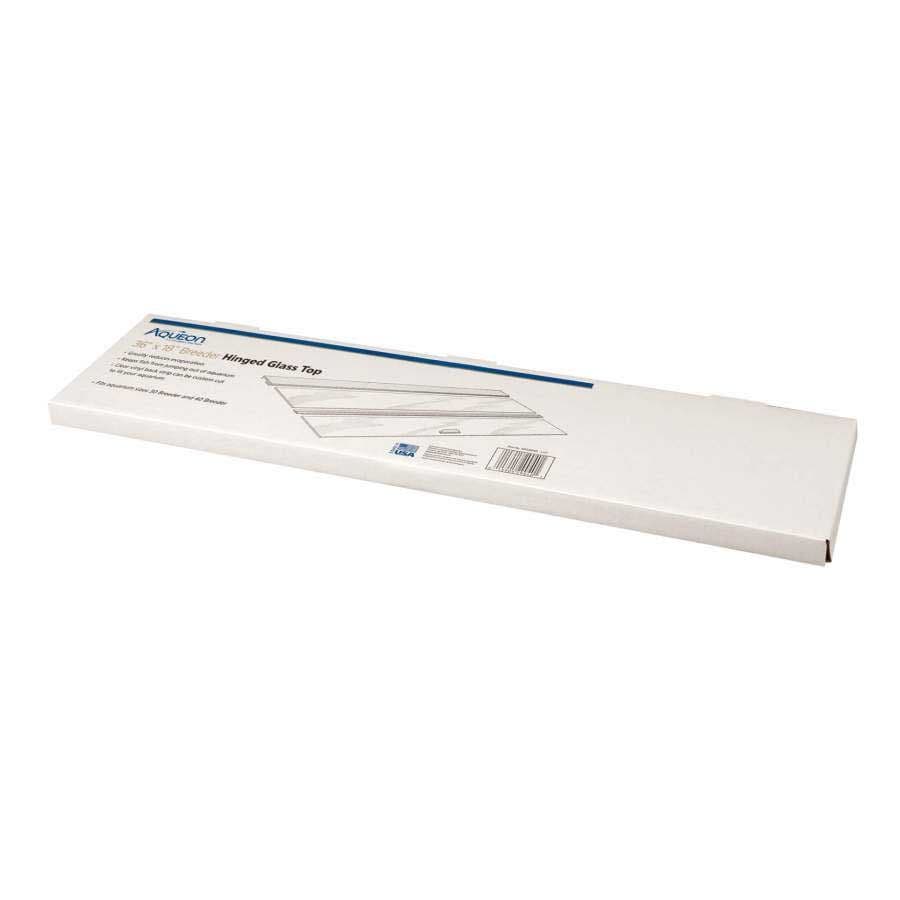
Thirty to fifty-five gallons is the sweet spot for a first saltwater setup. It holds enough water to stay stable, fits a reasonable list of starter fish, and sits on a normal stand. A standard 40-gallon breeder or a 55 is what we'd point most first-timers at. Get the tank, a stand rated for the full weight (water is about 8.5 pounds per gallon before rock and sand), and a glass canopy or lid. Saltwater fish are jumpers.
Live rock is your filter, buy it by the pound
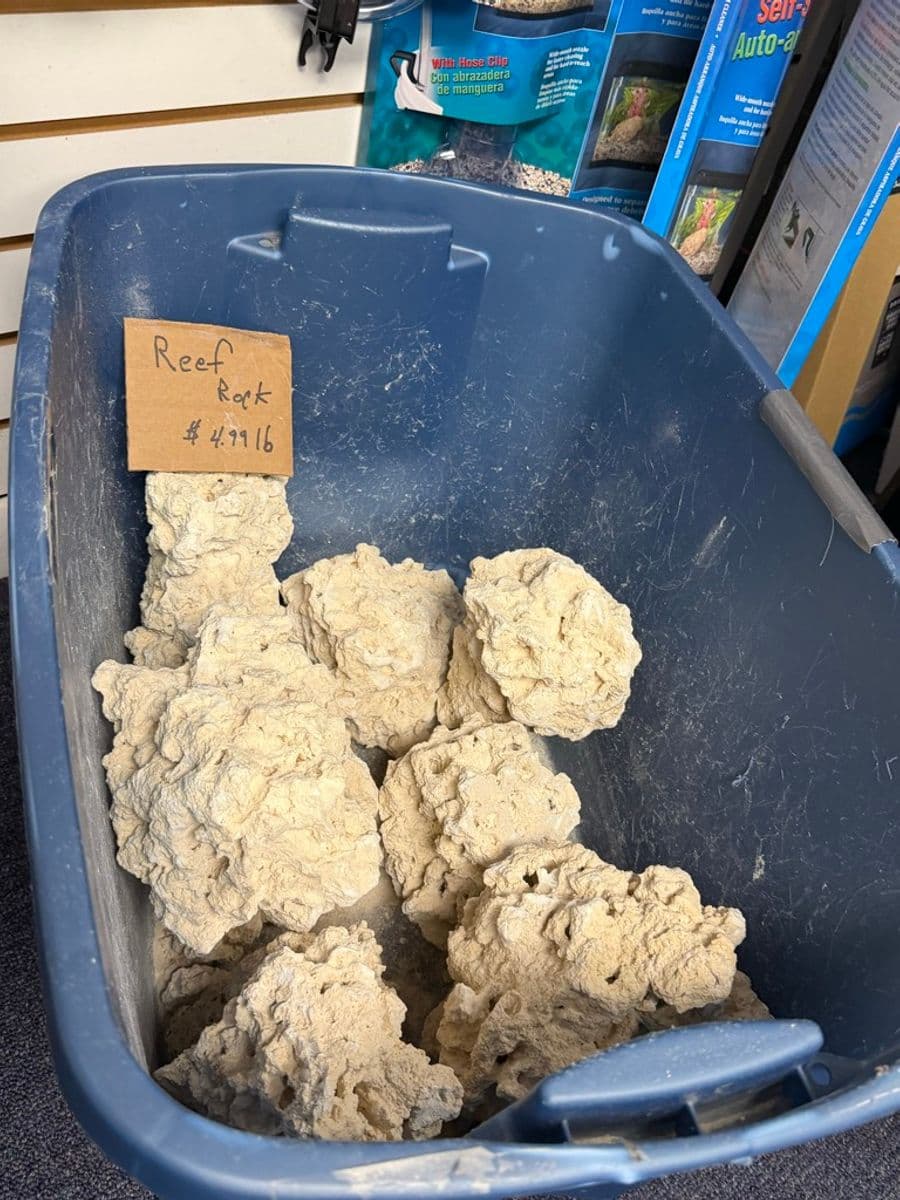
In a FOWLR tank, live rock is the filtration. It's porous reef rock loaded with the same beneficial bacteria a freshwater bio filter grows, except it lives throughout the rock instead of in a box. Those bacteria convert toxic ammonia and nitrite into safer nitrate, and the deeper pores even chip away at nitrate. Aim for roughly half a pound to one pound per gallon, so 20 to 55 pounds for a setup in this range. Stack it loosely so water flows through, not in a solid wall.
You've got two honest ways to do this. Fully cured live rock comes already colonized and seeds the tank fast, but costs more. Dry reef rock or base rock is cheaper and cleaner to start with, and it becomes "live" on its own once bacteria establish during the cycle. It just takes longer. A common move is mostly dry rock with a few pounds of cured live rock on top to seed it. We sell reef rock by the pound, so bring your tank dimensions in and we'll help you weigh out the right amount.
Sand, salt, and the one tool you can't skip: a refractometer
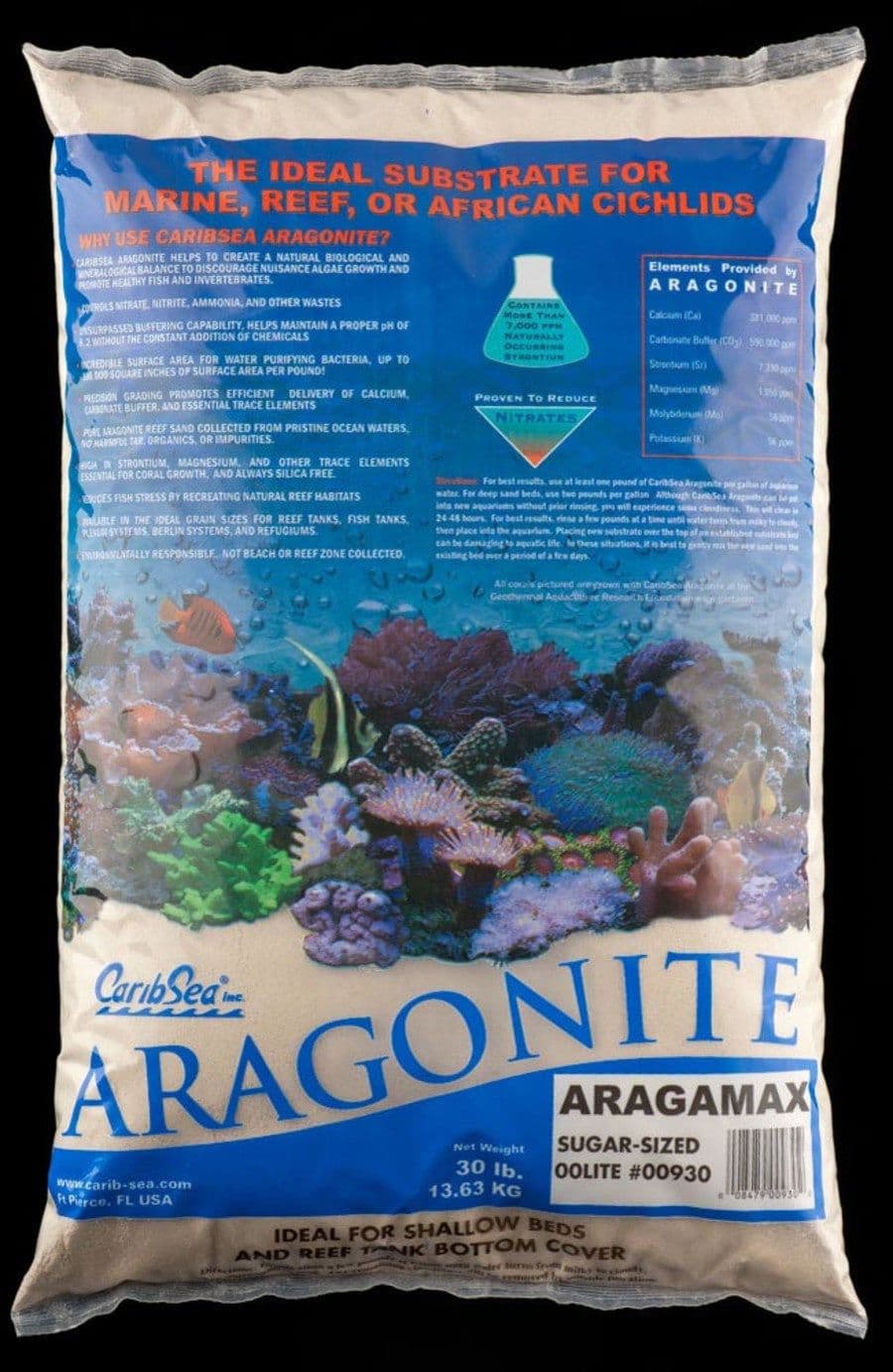
For substrate, use aragonite reef sand. It's calcium-based and helps hold your pH steady, unlike freshwater gravel. Keep the bed shallow, under an inch. A thin layer like that is easy to vacuum and won't trap pockets of waste. The one depth to avoid is the in-between 1 to 2 inch bed, which traps detritus and develops low-oxygen dead spots without giving you any of the denitrification benefit. If you specifically want a deep sand bed for that benefit, you have to commit to 4 inches or more, which is a more advanced setup we can talk you through. You can buy the sand dry or as "live" sand that comes pre-seeded with bacteria; either works, live just gives the cycle a small head start.
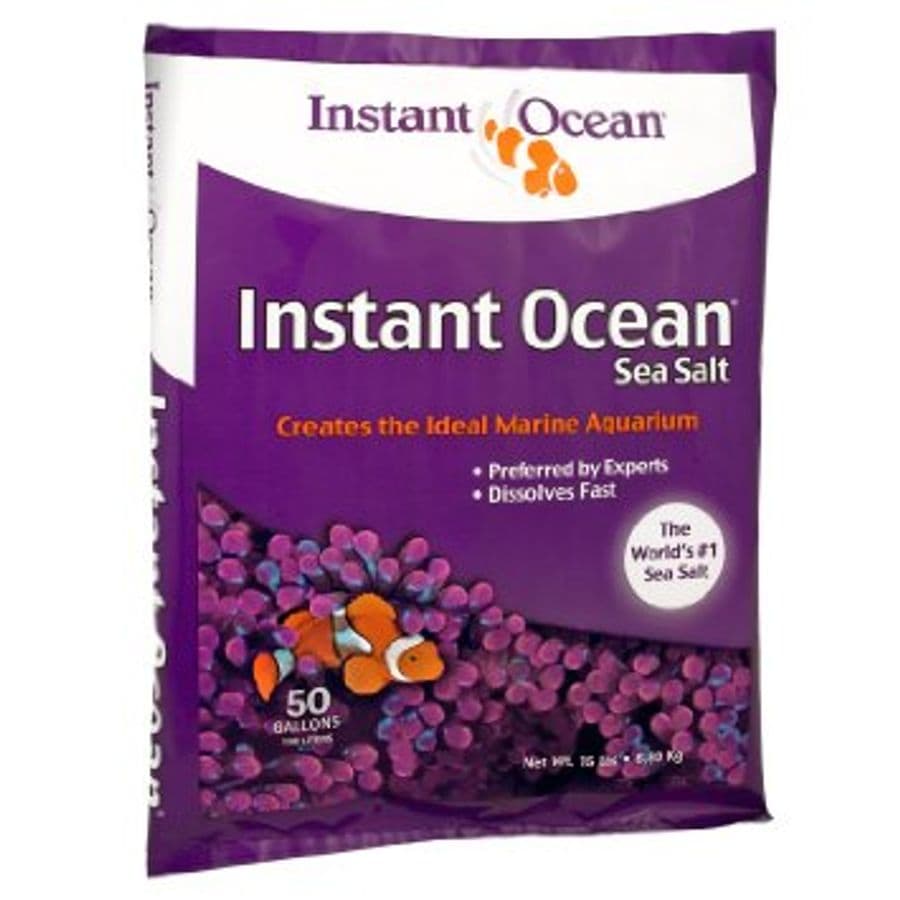
For the water, you mix your own. A bag or bucket of marine salt mix plus RO or distilled water (not straight tap) gets you saltwater. The non-negotiable part is measuring salinity accurately, and that's where the tool matters. A refractometer reads salinity precisely and is what we'd push you toward. The cheap swing-arm hydrometers are unreliable and drift in both directions: a new one will often read high while a salt-encrusted older one reads low, so you can't trust either to tell you whether your salinity is actually in range. That's how people end up surprised by a tank that's drifted way off. Target a specific gravity around 1.025 (roughly 35 ppt). When in doubt, call us and we'll talk through your reading.
Mix your saltwater the day before, never in the tank
This is the step people rush and regret. Always mix saltwater in a separate bucket or trash can the day before you need it, never by dumping salt into a tank with livestock in it. Freshly mixed salt water is chemically off. The pH and temperature are still settling, and undissolved salt is abrasive, so it needs to circulate overnight to stabilize.
The routine is simple. Fill a clean food-safe bucket with RO or distilled water, add salt while a small powerhead and a heater stir and warm it, then let it run 12 to 24 hours. Check salinity with your refractometer and adjust before it ever touches your display or your fish. You'll repeat this same mix-ahead routine every week for water changes, so it's worth getting comfortable with now.
Heater and flow: keep it warm and keep it moving
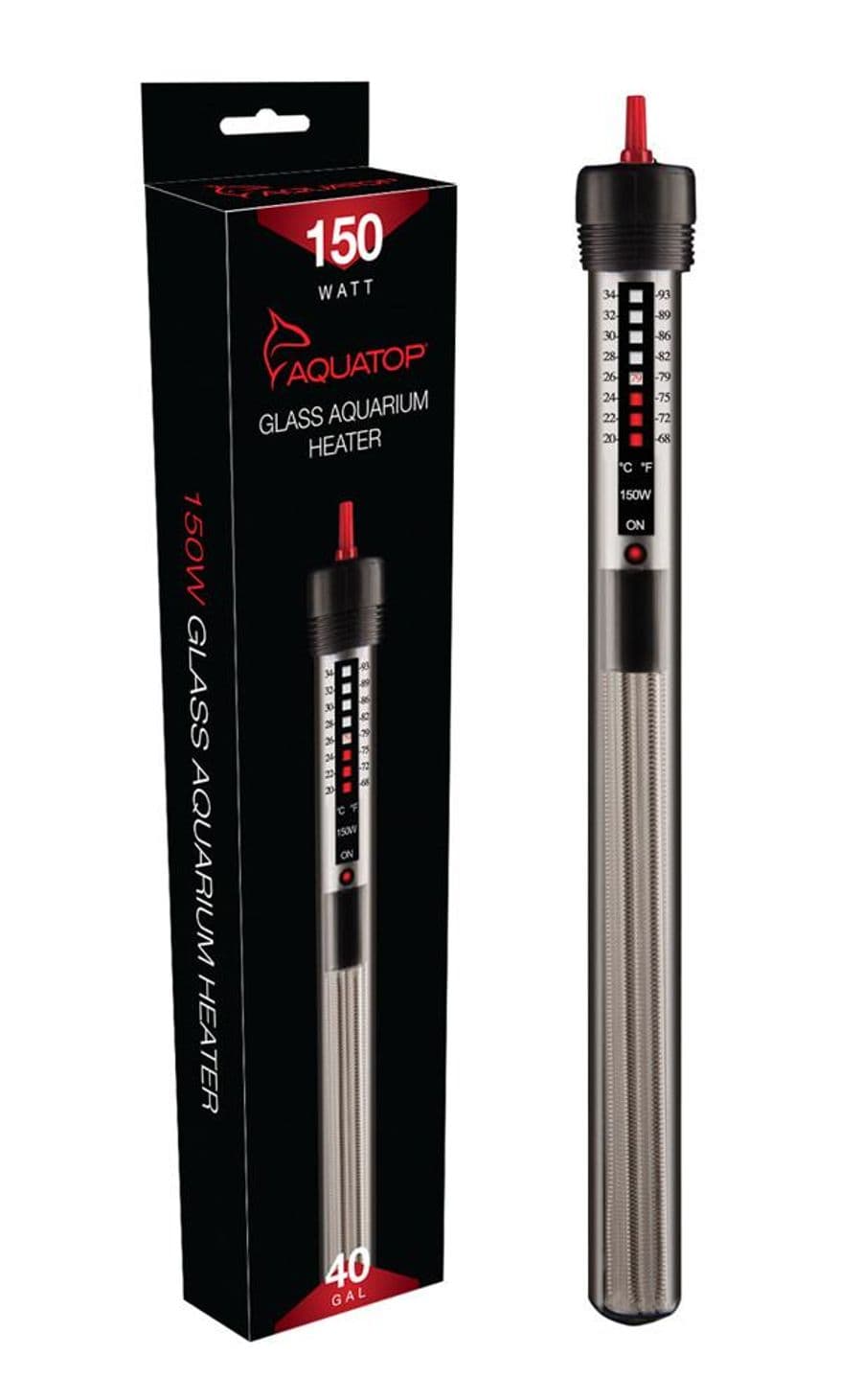
Saltwater fish want stable tropical temperature, generally 76 to 80°F. Size the heater to your tank, figuring roughly 3 to 5 watts per gallon. For a setup in this range that lands around 250 to 300 watts of total heating. Many people split that across two smaller heaters instead of running one big one, so a single heater stuck on can't cook the whole tank and a single failure can't chill it. See our guide on sizing your filter, heater, and lighting for the math.
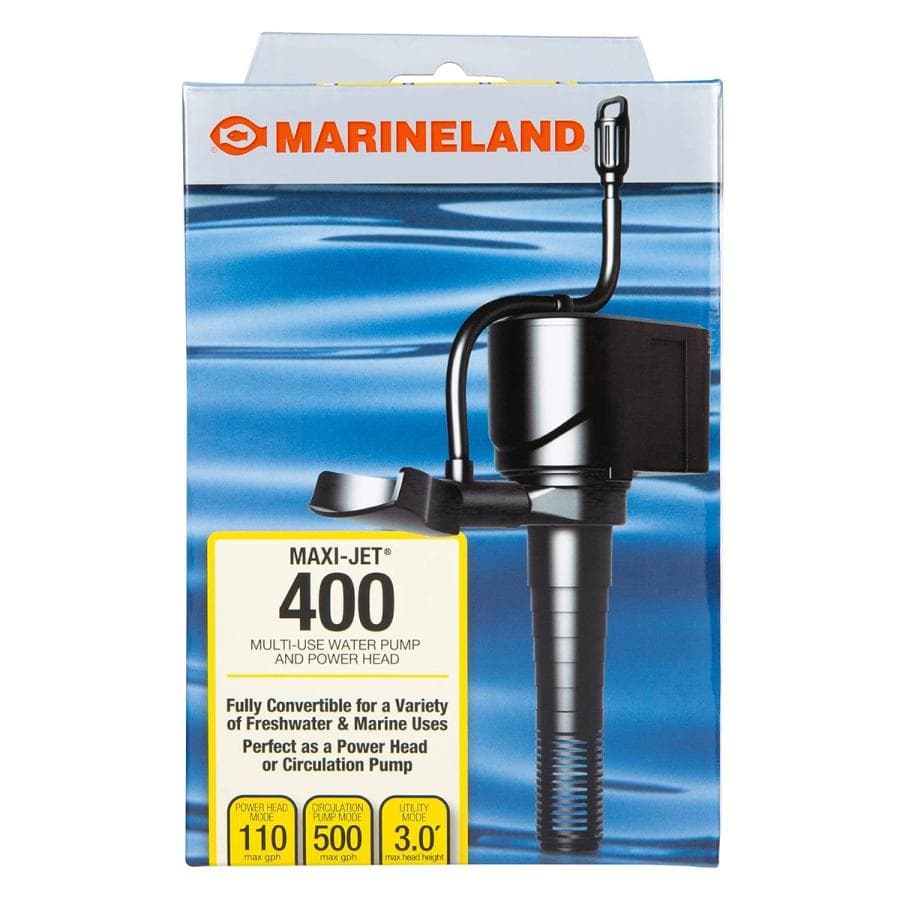
Flow is the part freshwater keepers underestimate. A saltwater tank needs more water movement than a planted freshwater one, both to keep oxygen up and to stop detritus from settling in dead spots behind the rock. Add a powerhead or circulation pump aimed across the rockwork. You want the whole tank gently churning, not a fire hose in one corner. Point it so the surface ripples, since that's where gas exchange happens.
Filtration: a hang-on-back filter with a skimmer now, a sump later
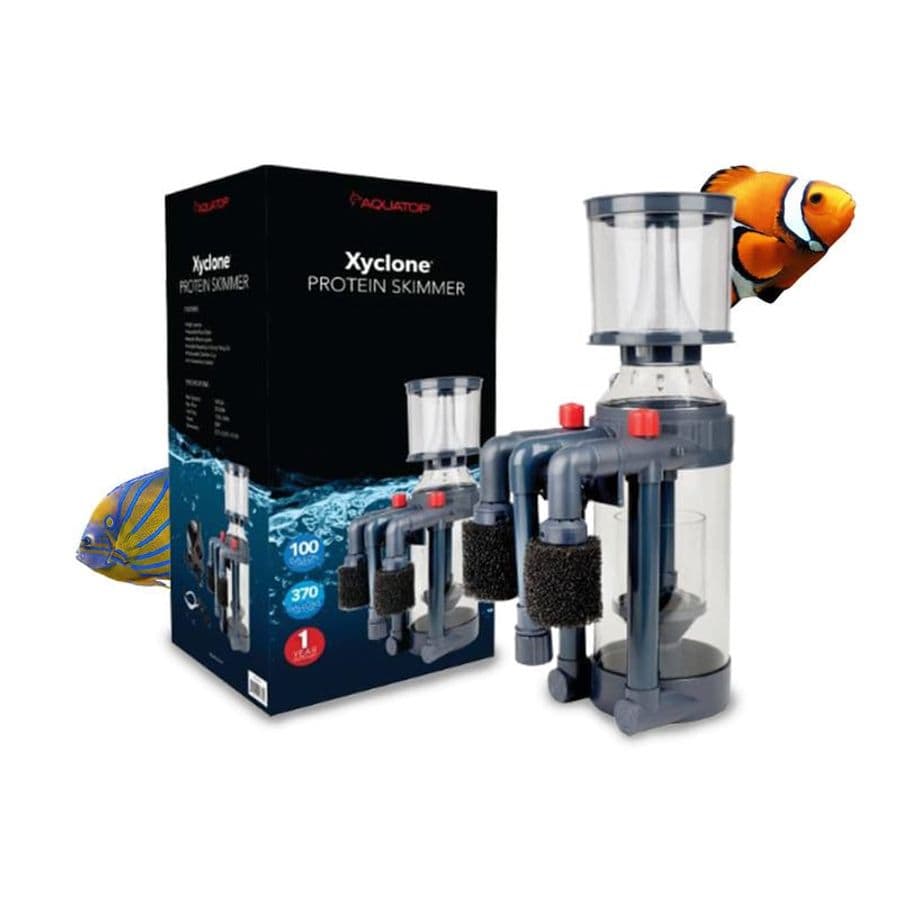
Here's where people over-buy. In a FOWLR tank the live rock is your biological filter, so you do not need a giant canister stuffed with bio media. What you want is mechanical filtration to pull out particles and a protein skimmer to strip dissolved organic waste before it breaks down into nitrate. A skimmer is the one piece of saltwater gear that has no real freshwater equivalent, and it pays for itself in cleaner water and lighter maintenance.
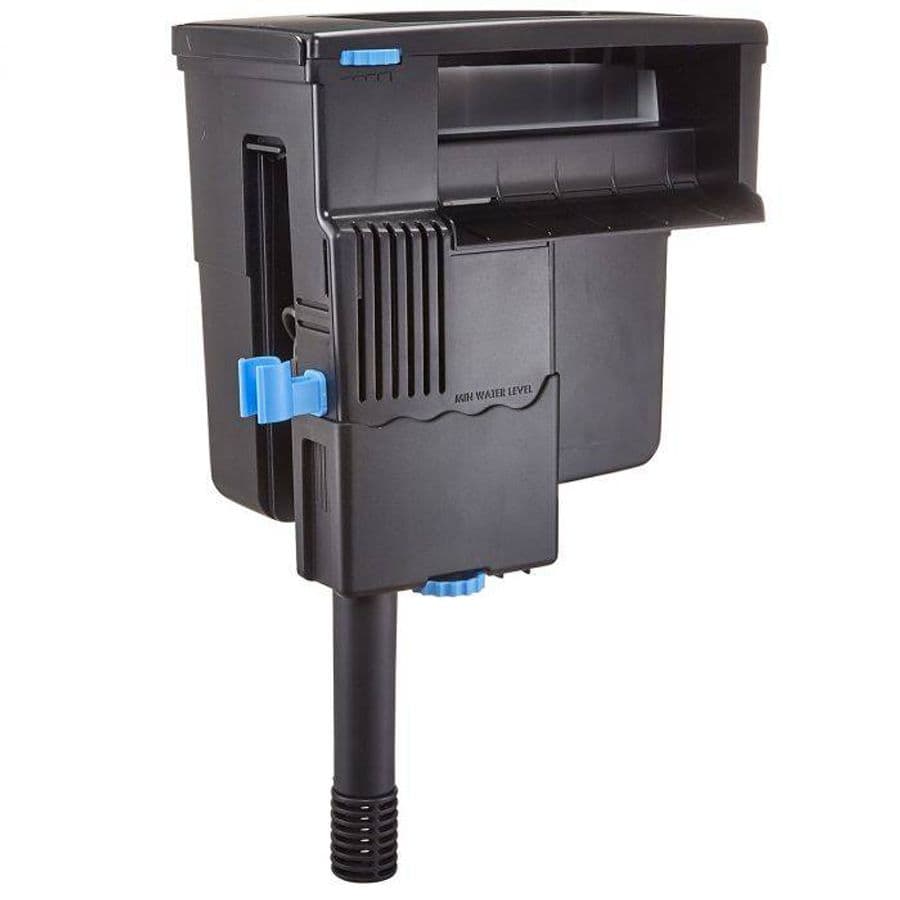
The simplest path is a hang-on-back power filter for mechanical and chemical media, paired with a protein skimmer. On a tank this size that usually means a separate hang-on-back skimmer running alongside the filter, which is the combination we've put on the parts list below. If you fall in love with the hobby and want to hide the gear and add water volume, a sump is the upgrade, and you don't need to drill anything. See our saltwater sump build guide when you get there. For now, an HOB (hang-on-back) filter plus a skimmer is plenty.
Cycle it, then stock slowly with hardy fish
Do not buy fish the day you set the tank up. You have to cycle it first, letting the bacteria on the live rock establish until they can convert ammonia to nitrite to nitrate, which usually takes a few weeks. Test with a saltwater-safe kit until ammonia and nitrite both read zero and you're seeing nitrate. Our guide on cycling a new aquarium walks through every step, and you can always call us with your test numbers while you wait.
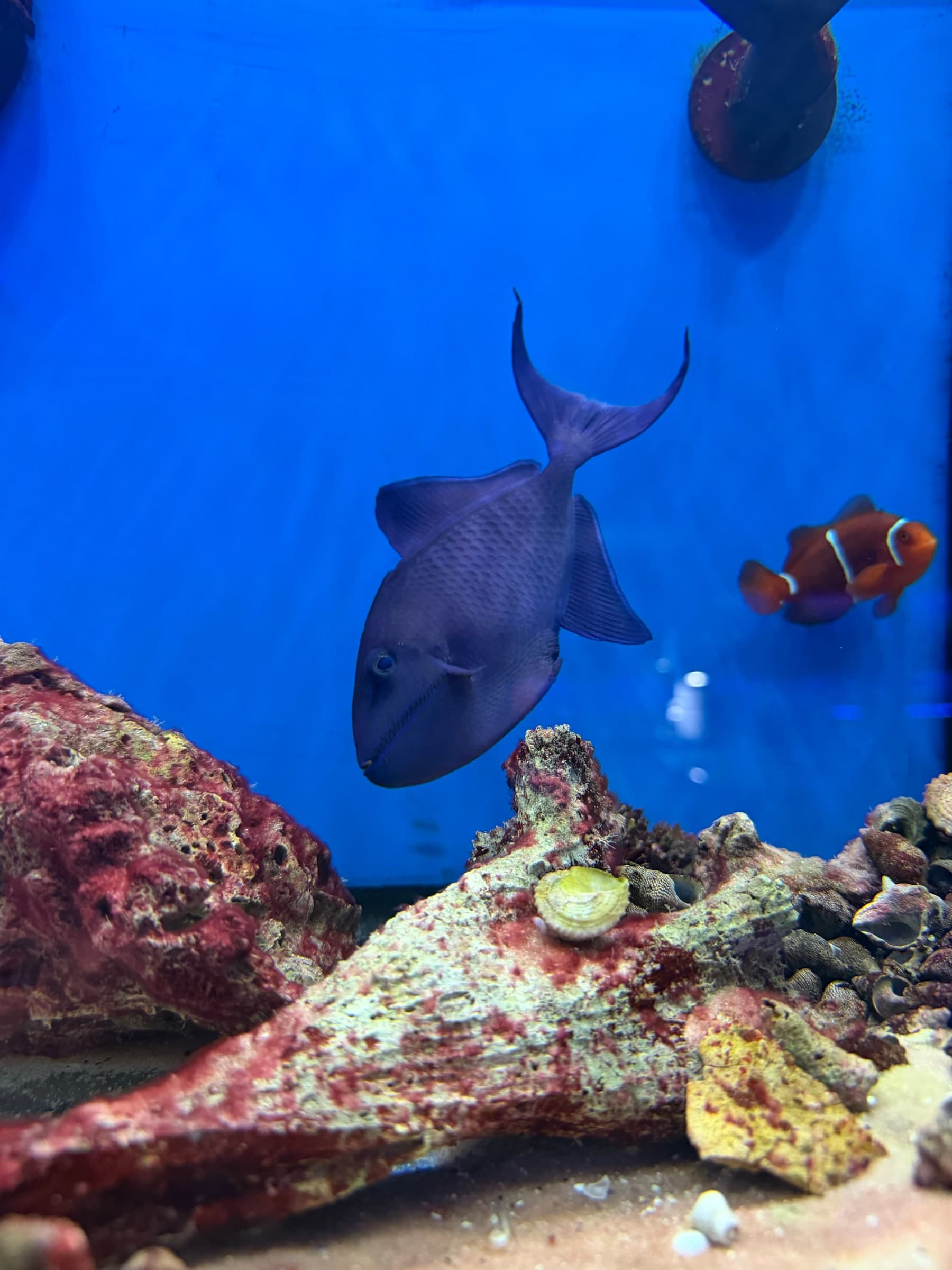
Once it's cycled, add fish a couple at a time over several weeks, because each new fish is a new ammonia load the bacteria have to catch up to. Good hardy starters for a FOWLR tank are clownfish (especially tank-raised ocellaris), a few of the common damsels (hardy, but territorial, so add them last so they can't claim the whole tank), and a firefish. We carry these regularly, including tank-raised ocellaris clowns, though exact species on hand change with what comes in.
Two stocking warnings worth knowing before you buy. First, clownfish pair-bond, so stick to a single fish or one bonded pair; a third clown almost always gets harassed once the other two pair off, and skip the maroon clown entirely on a first tank, since it's the most aggressive clown species and will bully a peaceful starter list. Second, green chromis look like an easy schooling fish but are tricky in small numbers: kept in groups under six they form a pecking order and pick each other off one at a time until a single fish is left, which is more than this tank can really house. If you love the look, plan for a bigger tank and a larger school down the road, or ask us for a hardier schooler that's happy in twos and threes. A clean plan of three to five small hardy fish beats a crowded tank every time.
Quarantine everything, yes, really, every fish
This is the habit that separates people who lose their tank to a disease outbreak from people who don't. Saltwater fish commonly carry parasites like marine ich and velvet, and once those get into a display full of live rock they are miserable to treat, because most effective medications aren't reef-safe and the parasite hides in the rock and sand. The fix is to never let an untreated fish into the display in the first place.
Run a separate, simple quarantine tank: a bare 10 or 20-gallon with a heater, a sponge filter, and some PVC pipe for the fish to hide in. Hold every new fish there at least four to six weeks, watch for disease, and treat if needed following the medication's label, before it ever joins the display. Don't shortcut that window. Marine ich in particular can keep cycling through dormant stages for weeks, so a shorter hold can release a fish that still looks clean but isn't. Our guide on quarantining new and sick fish covers the full setup and the common treatments. It's the least glamorous part of this hobby and the single best insurance you can buy.
Common questions
- What does FOWLR mean?
FOWLR stands for Fish-Only-With-Live-Rock. It's a saltwater tank that keeps marine fish and live rock for filtration, but no corals or anemones. It's the standard way to start in saltwater because you skip the demanding coral chemistry while still learning how a marine tank works.
- Is a saltwater FOWLR tank good for beginners?
Yes, FOWLR is the most beginner-friendly way into saltwater. The live rock handles biological filtration, there are no corals to keep alive, and hardy fish like clownfish and damsels tolerate small mistakes. It costs more and asks for more patience than a freshwater tank, but the day-to-day care is straightforward.
- How much live rock do I need for a 40 or 55 gallon tank?
A common target is roughly half a pound to one pound of rock per gallon, so about 20 to 55 pounds. You don't have to use all live rock; mixing cheaper dry reef rock with a few pounds of cured live rock to seed it works well. We sell reef rock by the pound, so bring your tank dimensions in and we'll help you weigh out the right amount.
- Do I need a protein skimmer for a FOWLR tank?
It's not strictly mandatory on a lightly stocked FOWLR tank, but we strongly recommend one. A skimmer pulls dissolved organic waste out before it breaks down into nitrate, which keeps your water cleaner and your maintenance lighter. It's the one piece of marine gear you won't have used in freshwater, and it makes a real difference.
- What salinity should a saltwater fish tank be?
Aim for a specific gravity around 1.025, which is roughly 35 ppt, close to natural seawater. Measure it with a refractometer rather than a cheap swing-arm hydrometer. Those hydrometers drift in both directions and aren't reliable, so a refractometer is worth the small upgrade. If you're unsure of your reading, give us a call and we'll help you sort it out.
- Can I use tap water for a saltwater aquarium?
We'd steer you away from straight tap water. Tap often carries phosphate, nitrate, copper, and chlorine that feed algae and stress marine life. Use RO (reverse osmosis) or distilled water to mix your salt, mixed the day before and circulated overnight before it goes in the tank.
- How many clownfish can I keep together?
Stick to a single clownfish or one bonded pair. Clownfish are pair-bonding fish, so once two of them pair off in a 40 to 55 gallon tank, a third is usually harassed and often killed. Tank-raised ocellaris are the easygoing choice; skip the maroon clown for a first tank, since it's the most aggressive species and will bully peaceful tankmates.
- Are green chromis good for a beginner saltwater tank?
They're hardy as individuals, but they're tricky in the small numbers a 40 to 55 gallon tank allows. In groups under about six, green chromis form a pecking order and kill each other off one at a time until a single fish remains. If you want a school, plan for a larger tank; otherwise ask us for a schooler that's content in twos and threes.