What this covers
Tank kits & setup
Starting from nothing. The tank and the handful of things that have to run day one.
7 in the shop
Substrate & gravel
What goes on the bottom, and whether it's just a look or feeding your plants.
8 in the shop
Tap-water conditioning
Making tap water safe by neutralizing the chlorine the city puts in it.
5 in the shop
Ammonia & nitrite
The two things that kill fish in a new tank, until bacteria take over the job.
12 in the shop
Cleaning & water changes
Water changes, siphoning and glass cleaning. This is how waste actually leaves a tank.
30 in the shop
Almost everyone starting a first aquarium hears the same advice: get a little 2 or 5 gallon "starter" tank because it's cheaper and easier. Then they fill it with fish on day one, and two weeks later half the fish are dead, the water's cloudy, and they decide aquariums are hard. Almost none of that had to happen.
The reality runs opposite to what feels intuitive. A bigger tank is more forgiving, because more water means the chemistry moves slowly and one mistake doesn't wipe everything out before you notice. For a first freshwater tank, a 20 to 29 gallon is the sweet spot: big enough to be forgiving, small enough to fit on a stand and not break the bank. This guide builds out a 29.
We'll walk the whole thing start to finish: the gear you actually need (and the stuff you can skip), how to set it up dry before water ever touches it, and the single step that separates a tank that thrives from one that crashes, which is cycling it before fish go in.
Every part on this list is something you can pick up from us in Erie at 660 East 14th Street, or call us at (814) 456-9445. When you're ready to start, bring in your test numbers and we'll talk you through where the tank stands.
Why bigger is easier
Water chemistry in a small tank is a roller coaster. In a 2 or 5 gallon, a little leftover food or one fish that passes can spike your ammonia overnight, and the temperature swings every time the room warms up or cools down. There's just not enough water to absorb a mistake.
A 29 gallon holds nearly six times the water of a 5, so everything happens slower. Ammonia climbs gradually instead of all at once, temperature stays steady, and you get time to spot a problem and fix it. You also get room for a real choice of fish instead of one or two.
If the budget or the space only allows a 10 gallon, that's still a fine first tank and far better than anything smaller. We'd just steer you toward a 20 or 29 if you have the room, because those extra gallons buy you a lot of forgiveness.
The full gear list
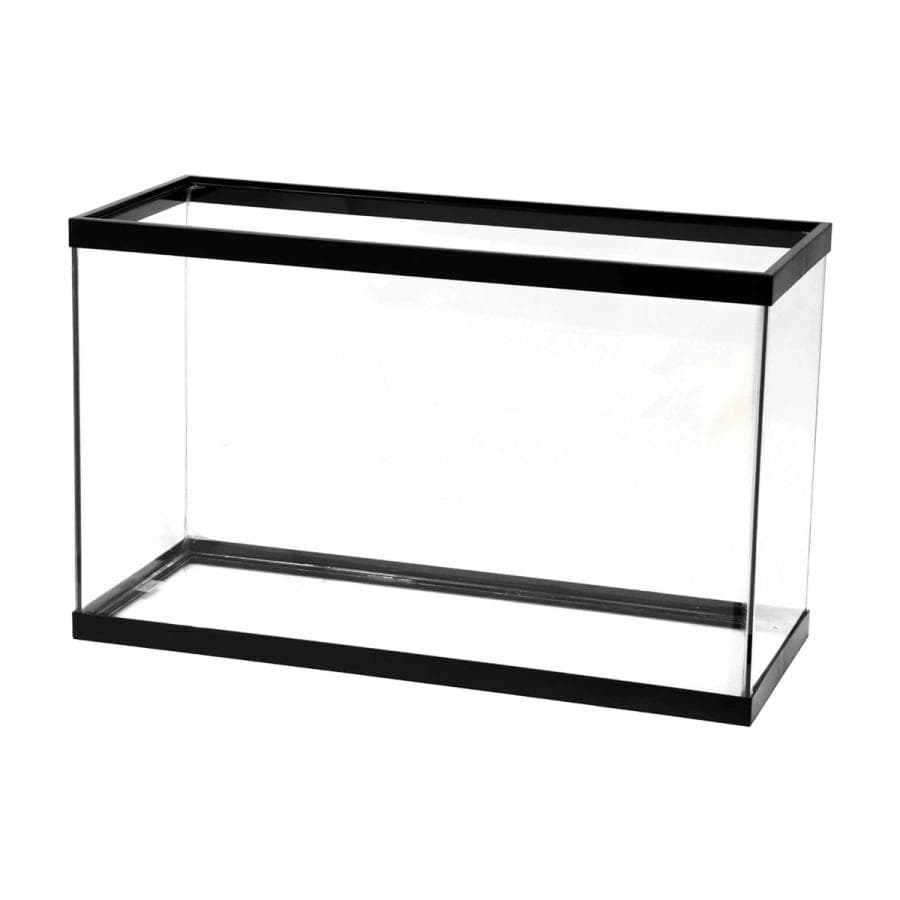
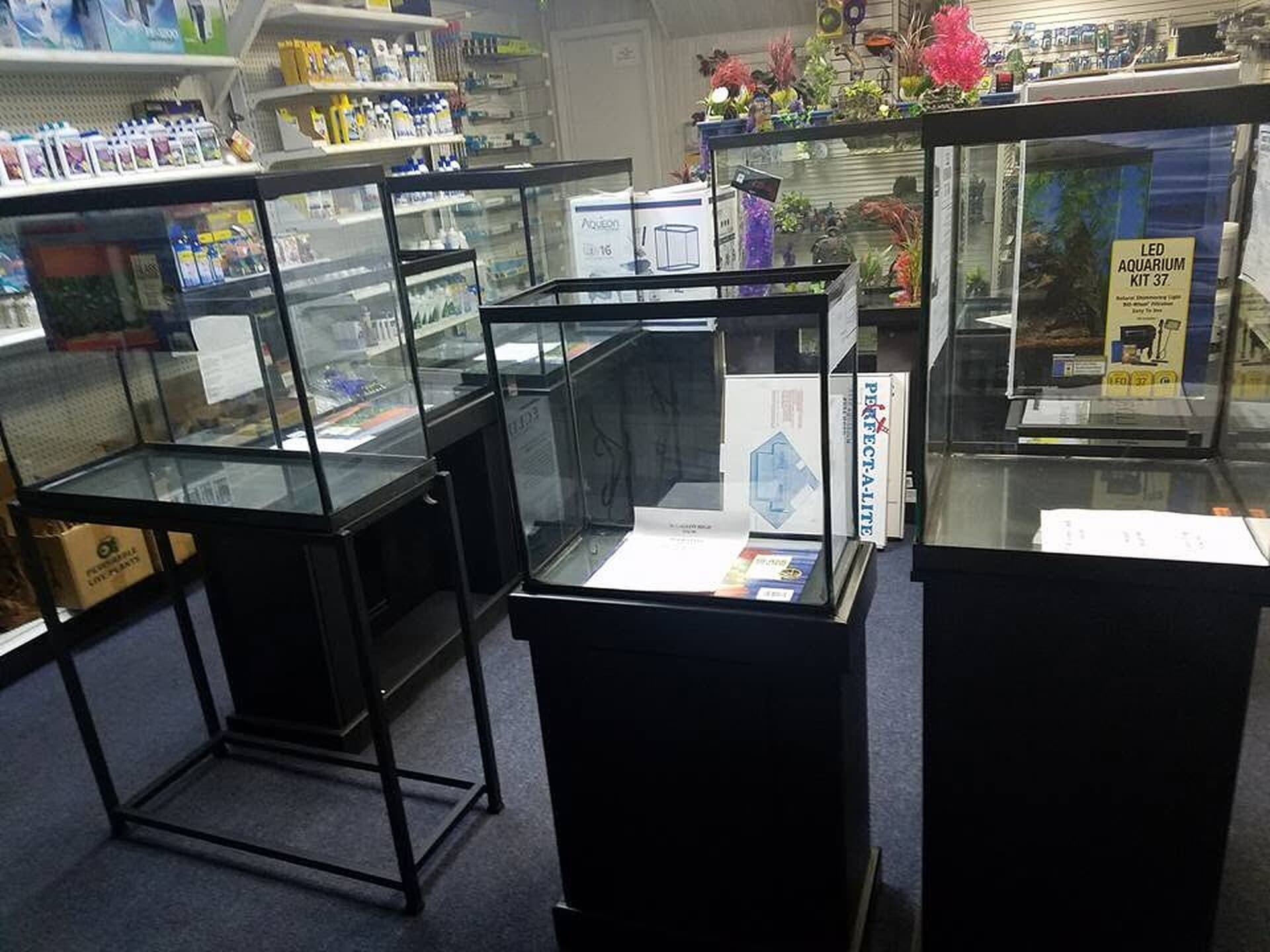
Here's everything a first freshwater setup needs: the tank, a filter rated for your gallons, a heater (tropical fish want 76 to 80F and Erie tap water runs cold), a light, and substrate, either gravel or sand. You also want a lid to keep fish in and slow evaporation, though many tank-and-stand packages already include a glass top, so check before you buy one separately.
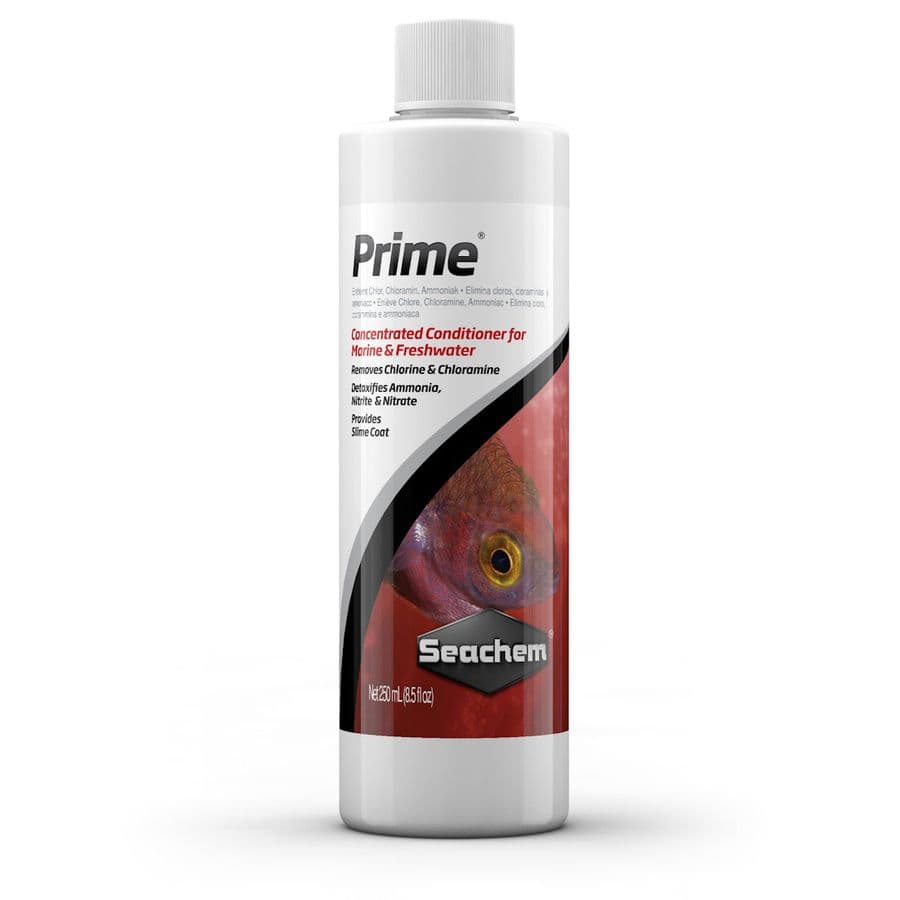
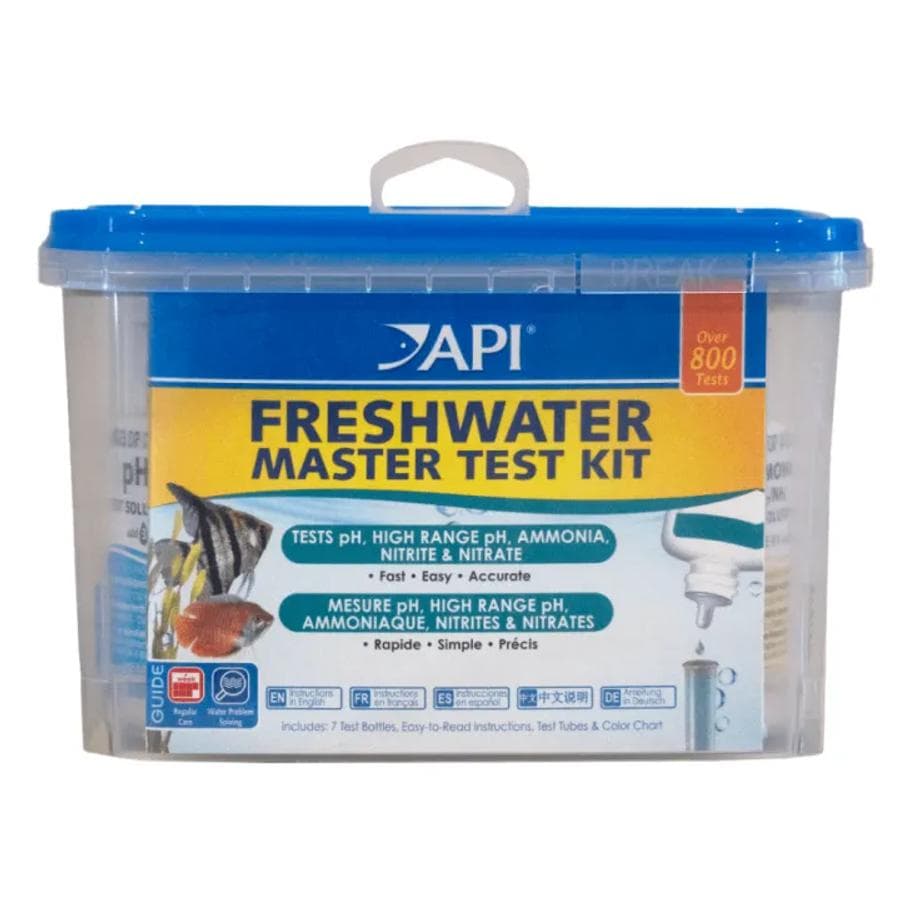
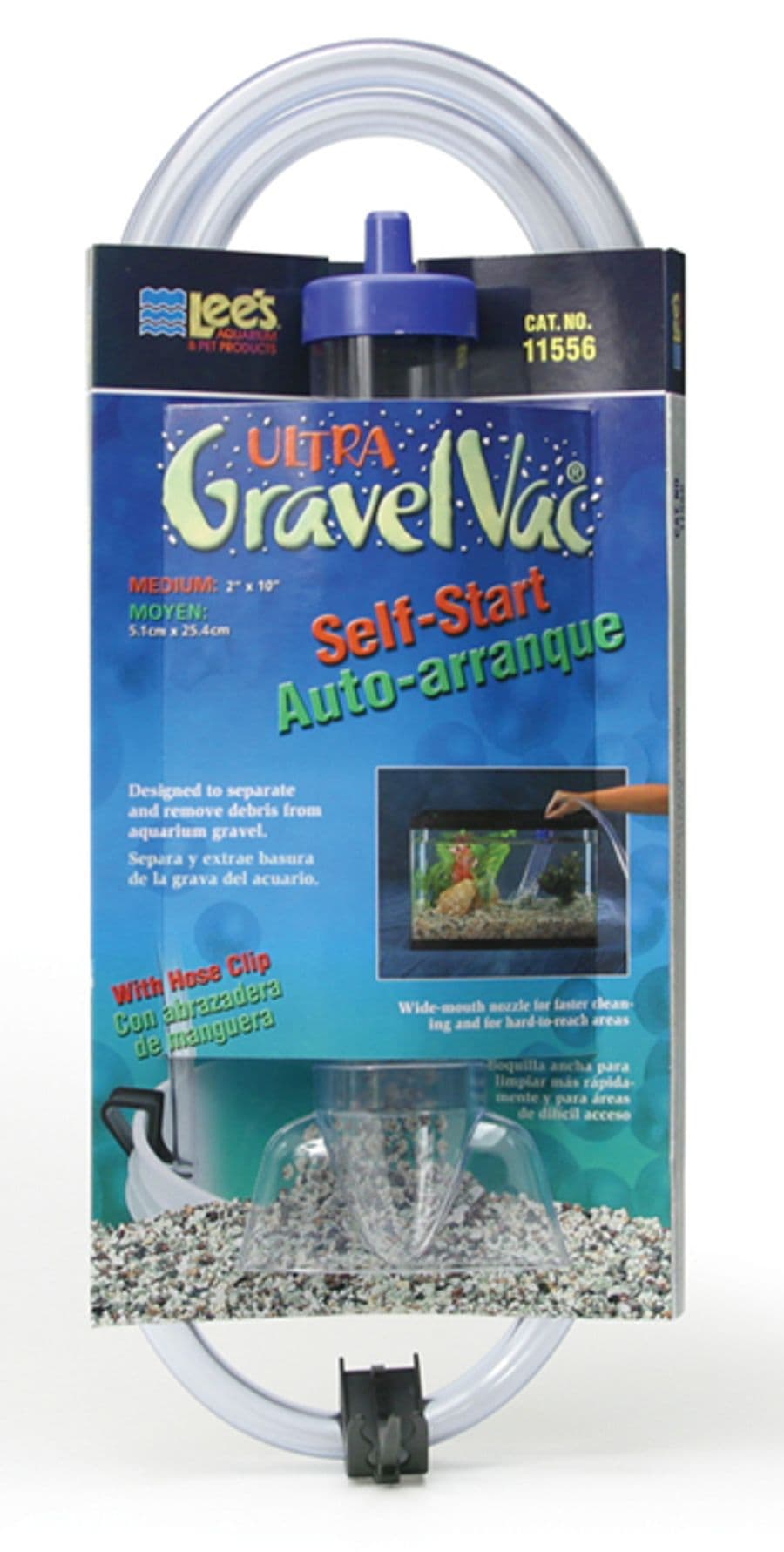
Then the supplies people forget. A water dechlorinator, because tap water has chlorine that's toxic to fish. A liquid test kit, so you can actually read your water chemistry. A fish net, a siphon for water changes, and food. That's the real list, and only the items we flag as optional below can be skipped.
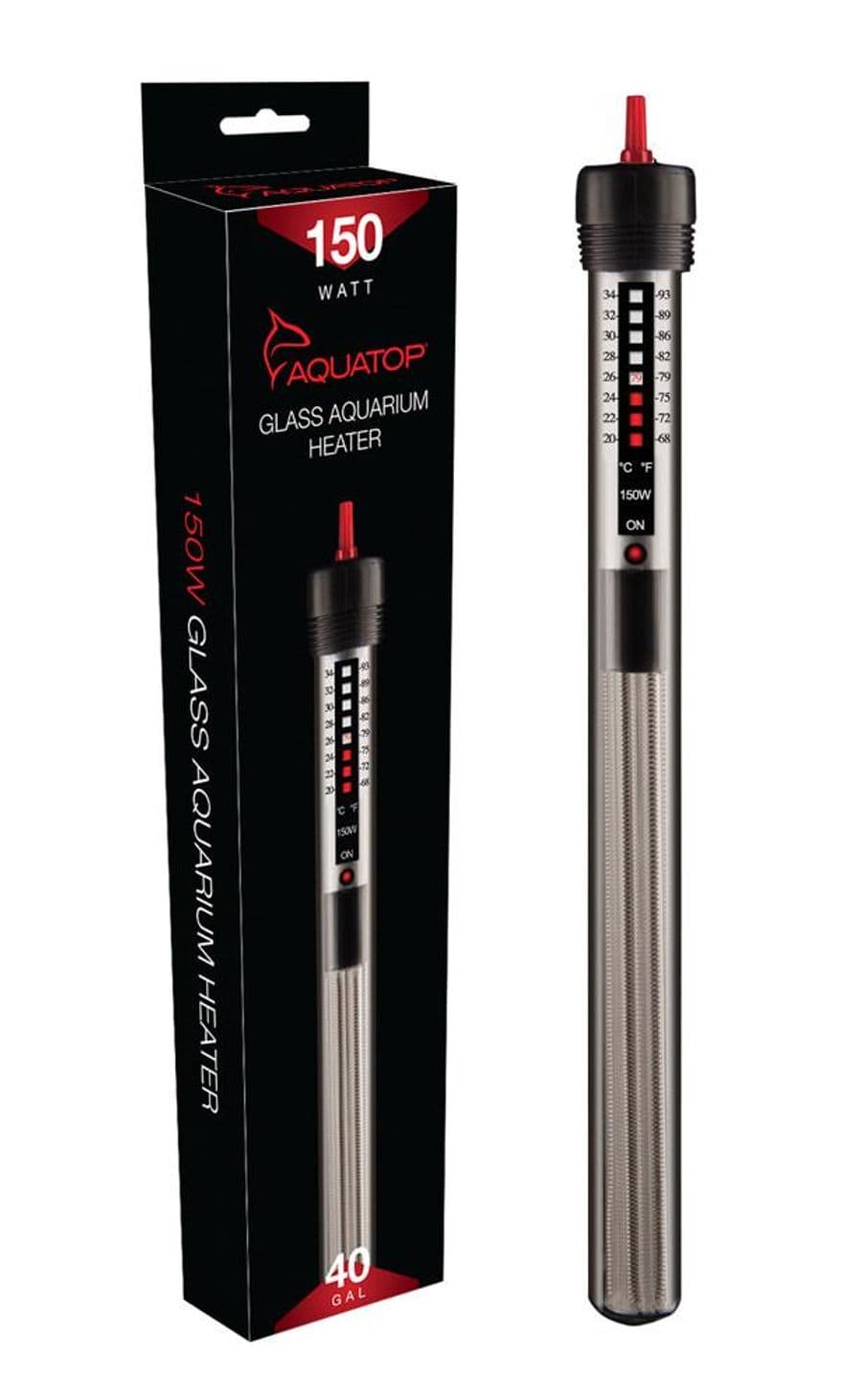
A quick word on filters and heaters: size them to your tank rather than down. We have a separate guide on sizing your filter, heater, and lighting if you want the details. The short version is to buy a filter rated at or above your gallons, and figure roughly 5 watts of heater per gallon, so a 29 wants about 150 watts. You don't need the biggest pump on the shelf; on a community tank, gentle, steady flow beats a firehose. Tell us your tank size and we'll match it.
Set it up dry first
Resist the urge to fill it the second you get home. Set the whole thing up dry so you catch problems before there's water everywhere.
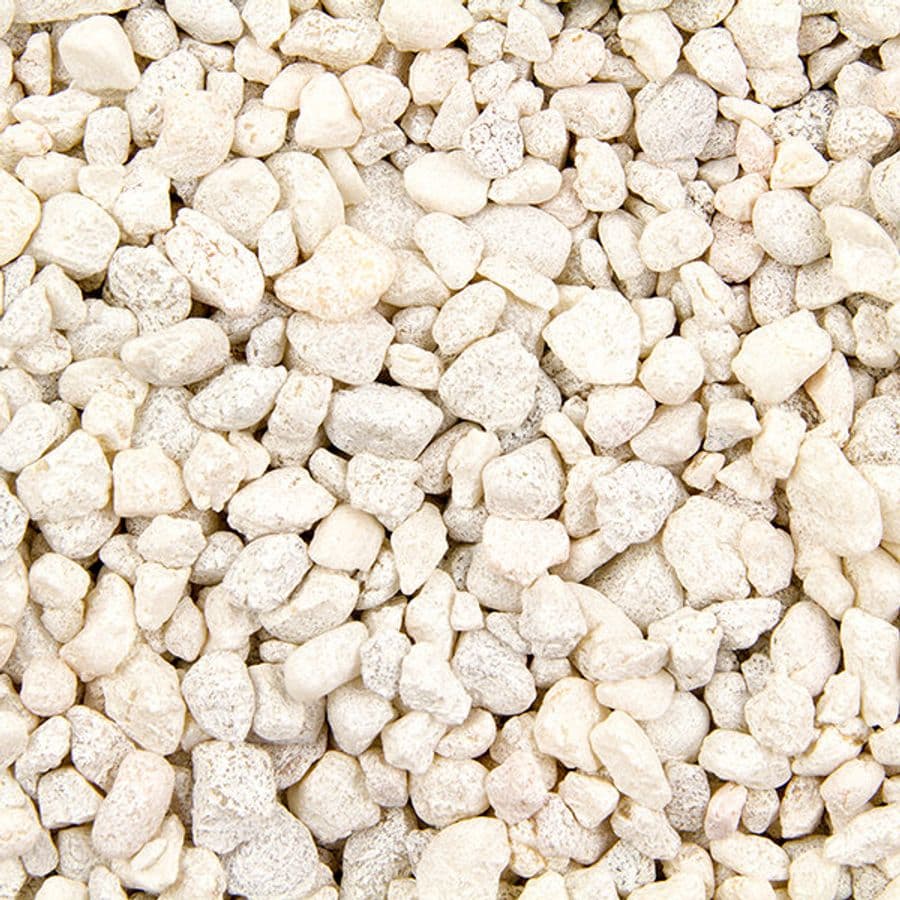
Rinse your substrate in plain water until it runs clear (no soap, ever), then add it to the tank. Aim for a bed around 1.5 to 2 inches deep. Place your hardscape and any decor, set the heater and filter where they'll live but don't plug them in yet, and check that the lid fits. Put the tank on its final stand before you add water, because a fully dressed 29 gallon weighs well over 300 pounds, closer to 330 once you count water, substrate, and decor. You are not moving it later, so confirm your stand is rated for the load.
Only once everything is positioned do you fill it. Set a plate or bowl on the substrate and pour onto that so you don't blast a crater in your gravel.
Add water and dechlorinator
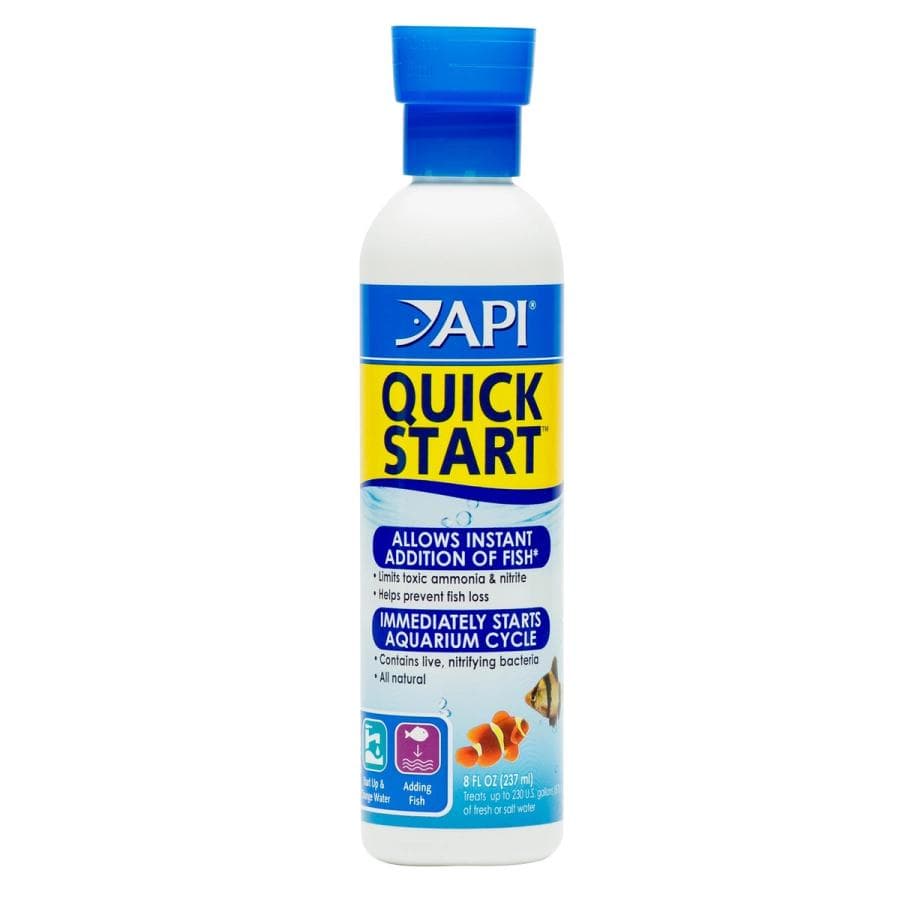
Fill the tank with room-temperature tap water, then add your dechlorinator right away, dosed for the full volume of the tank. Erie city water is chlorinated, and chlorine burns fish gills, so this step isn't one you can skip. Follow the dose on the bottle label, since most dechlorinators treat a set number of gallons per capful.
Now plug in the heater and filter and let them run. Give the heater a full day to bring the tank up to temperature before you trust the reading, and make sure the filter is actually moving water rather than just humming with an air pocket trapped in the impeller.
Here's where people get fooled: the tank looks done now. It's warm, it's clear, the filter's running. It still isn't ready for fish.
Cycle the tank before any fish
This is the single most important thing in this whole guide, and it's the mistake that kills more first tanks than anything else: adding fish to an uncycled tank.
Fish produce ammonia, which is poison. In an established tank, beneficial bacteria living in your filter convert that ammonia to nitrite (still toxic) and then to nitrate (much less harmful), which you remove with water changes. That bacteria colony doesn't exist in a brand-new tank. It has to grow first, and growing it takes a few weeks. Put fish in before it's ready and the ammonia has nowhere to go, so it builds up and burns them. That's the cloudy-water, dying-fish crash people blame on bad luck.
The fix is to cycle the tank before fish ever go in: feed the bacteria an ammonia source and wait until your test kit reads zero ammonia, zero nitrite, and some nitrate. We have a full step-by-step in our guide on cycling a new aquarium, including the fishless method we recommend. Read it before you buy fish, and make sure your test kit confirms the water is cycled before you spend a dime on stock.
Add fish slowly
Once your test kit confirms the tank is cycled, you still don't fill it with fish all at once. A big group of new fish produces more ammonia than your young bacteria colony can handle, and you can crash a tank you just spent weeks cycling.
Add a small group first, around four to six small fish for a 29 gallon, and let the tank settle for a week or two. Test the water along the way. If ammonia and nitrite hold at zero, the colony has kept up and you can add the next small group. Spread the full stocking across a month or more rather than a single weekend.
For a forgiving first community, hardy schooling fish do well once a tank is cycled and stable. We'll point you to good beginner species for your specific water and tank size when you come in, because the right pick depends on your gallons and what you want to keep. We won't guess at it over a guide.
Keep it running
An aquarium isn't set-and-forget, but the upkeep is simple once you have a rhythm. Feed lightly, only what the fish finish in a couple of minutes, because uneaten food is the fastest way to foul your water. Overfeeding is the most common rookie habit and an easy one to break.
Do a 25 percent water change every week or two with your siphon, always adding dechlorinator to the replacement water. Wipe the glass, and when you rinse filter media, rinse it in old tank water you just siphoned out. Tap water will kill the bacteria you worked to grow.
Keep testing now and then, especially the first couple of months. If a number looks off, call the shop or bring your readings by and we'll tell you what to do about it.
Common questions
- Can I add fish the same day I set up my aquarium?
No. A brand-new tank hasn't grown the beneficial bacteria that process fish waste, so ammonia builds up and harms the fish. This is the number one beginner mistake. Cycle the tank first, which takes a few weeks, then add fish slowly. See our guide on cycling a new aquarium.
- What size tank is best for a beginner?
A 20 to 29 gallon is the easiest first tank. Bigger volumes keep water chemistry and temperature more stable, so a single mistake is far less likely to wipe out your fish. A 10 gallon works if space or budget is tight, but anything smaller gets harder to keep stable rather than easier.
- How long does it take to cycle a new tank before adding fish?
A fishless cycle usually takes somewhere between three and six weeks, depending on temperature and how you seed the bacteria. It's done when your test kit reads zero ammonia, zero nitrite, and some nitrate. Go by the test results rather than the calendar.
- Do I really need a water test kit for a freshwater tank?
Yes. The test kit is how you know whether your tank is cycled and whether your water is safe, because there's no way to see ammonia or nitrite by eye. A liquid test kit is more accurate and cheaper over time than test strips. If a reading ever confuses you, call our Erie shop and we'll help you read it.
- Why do my fish keep dying in my new aquarium?
The most common cause is new tank syndrome, which is ammonia poisoning from adding fish before the tank cycled. Other causes are chlorinated or chloraminated tap water added without dechlorinator, or overfeeding. Call us with your test readings and we'll help you track down the cause.
- What's the difference between a 10 and a 29 gallon for a first tank?
The 29 holds almost three times the water, which means more stable temperature and chemistry plus room for a proper school of fish. The 10 is cheaper and fits more places. If you have the space and budget, the 29 is more forgiving and the better first tank.
- Do I need a heater for a freshwater aquarium?
For tropical community fish, yes. Most popular beginner fish want water between 76 and 80F, and Erie room temperature runs colder than that, especially in winter. Cold-water setups like goldfish are an exception, but a standard tropical community tank needs a heater as essential gear.
- How much gravel do I need for a 29 gallon tank?
Figure about a pound of gravel per gallon for a standard bed, so a 29 gallon wants roughly 30 pounds, about six 5-pound bags, which gives you a bed around an inch and a half deep. Want it deeper or planted? Add a bit more. Bring us your tank dimensions and we'll get the count right.