
Freshwater Fish
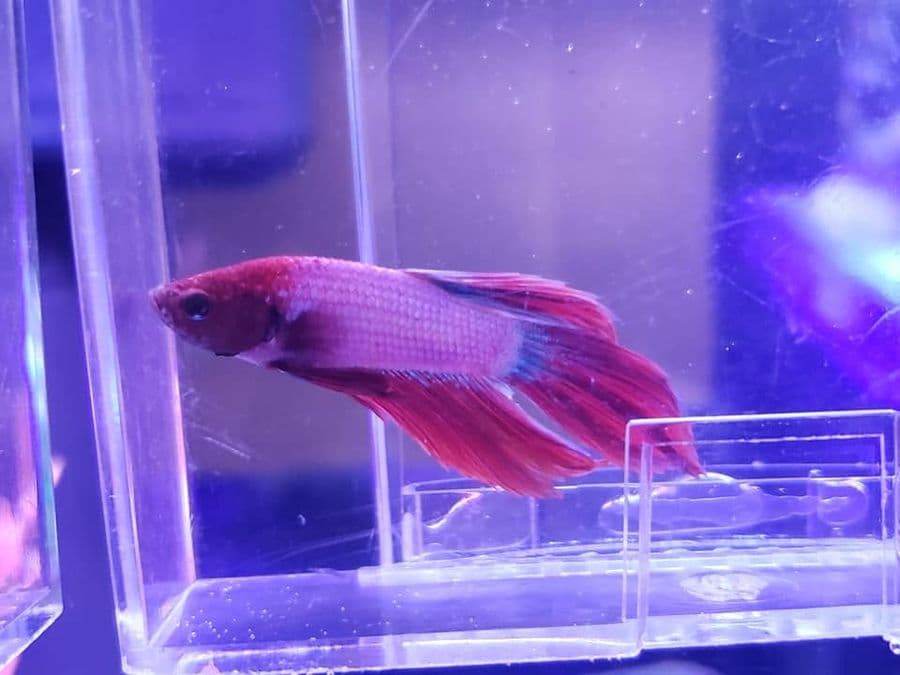
Male Betta.
The classic male betta — flowing fins and jewel-tone color, each one unique. Beginner-friendly and full of personality in a warm, filtered tank of five gallons or more. Keep just one male per tank, as they'll fight rivals.
In-store purchase only. Live fish, coral, and invertebrates are sold at our Erie store only. They cannot be bought online, and we do not ship live animals under any circumstances.
Live fish are priced per supplier batch — prices may vary. Call to confirm current pricing.
- Condition
- new
- Fulfillment
- Local pickup — Erie, PA
Live animals are sold in store only — we do not ship fish, coral, or invertebrates. Every animal is acclimated and health-checked in-house before it reaches the sales floor. This is a species we carry — it's most likely in the tanks around delivery days, but live stock changes daily. Please call (814) 456-9445 to confirm availability before you drive in.
Care at a glance
What to know before you take one home.
- Care level
- Beginner
- Temperament
- Semi aggressive
- Adult size
- 3"
- Min tank size
- 5 gallons
- Diet
- Carnivore
- Scientific name
- Betta splendens
Good tank mates
The one firm rule: keep only one male betta per tank, since males will fight other males. Beyond that, temperament varies a lot from fish to fish, so community compatibility really depends on the individual betta. Many do fine with calm, non-nippy tankmates, but some won't tolerate any company. Avoid fin-nippers and other long-finned or brightly colored fish a betta may target. Tell us about your tank and we'll help you judge whether yours is a candidate for tankmates.
Good to know
Bettas are labyrinth fish, meaning they have an organ that lets them breathe air at the surface, which is how they survive in warm, low-oxygen waters in their native Southeast Asia.
Stock and individual temperament vary — call (814) 456-9445 for pairing advice before you buy.
Good tankmates
Plays well with.
Species we’d keep in the same tank, with why each pairing works. Stock and individual temperament vary — call (814) 456-9445 to confirm before you buy.
New to stocking a tank? Read our guide on which fish live together.
Bronze Cory
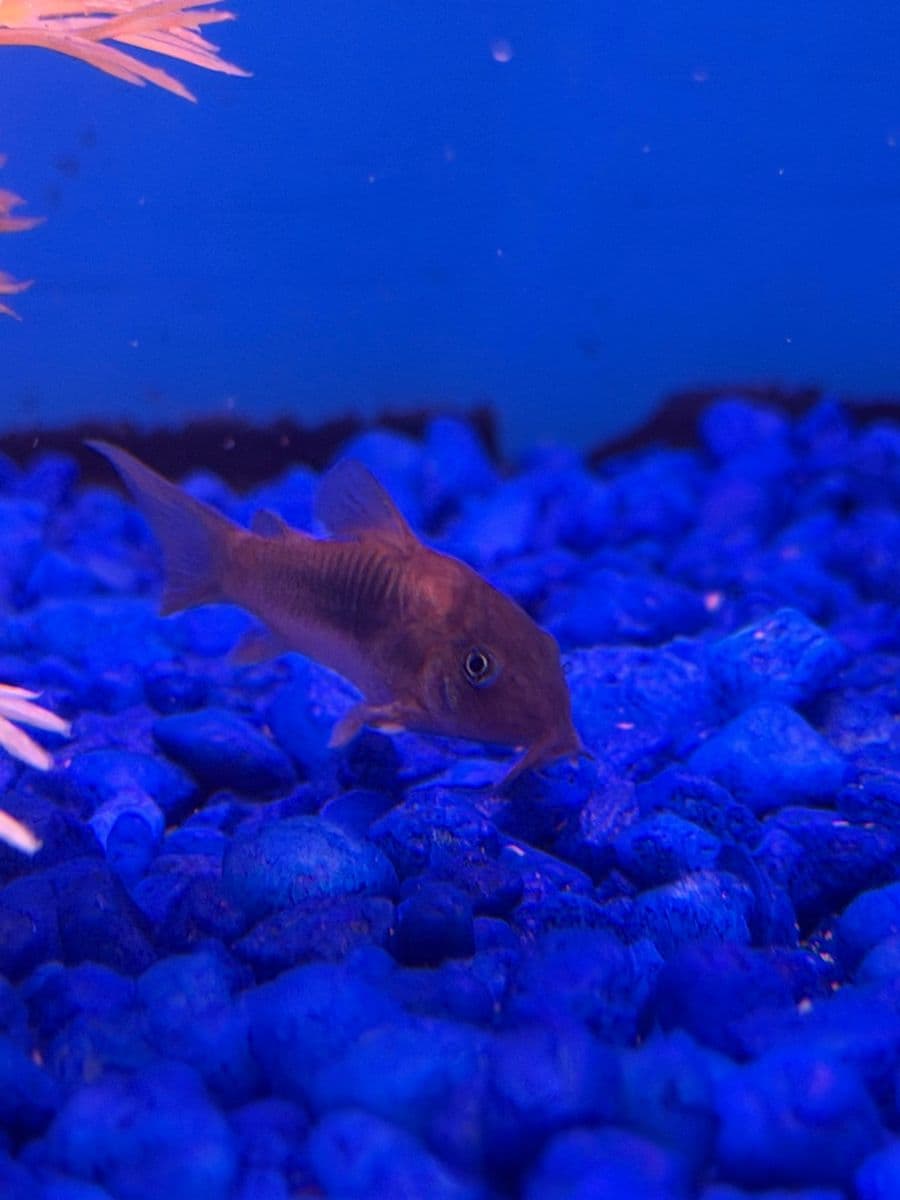
Well-documented bottom-dwelling companions. Their bony scutes provide genuine physical protection against betta nips. They occupy the substrate zone while bettas patrol mid-to-upper water, eliminating most territory overlap. Must be kept in groups of 6+ in a 10-gallon minimum tank; water parameters (pH 6.0–7.8, temp 74–80°F) overlap comfortably with betta requirements. Individual betta temperament remains the main variable, so a densely planted tank with sight-line breaks is strongly recommended.
Harlequin Rasbora
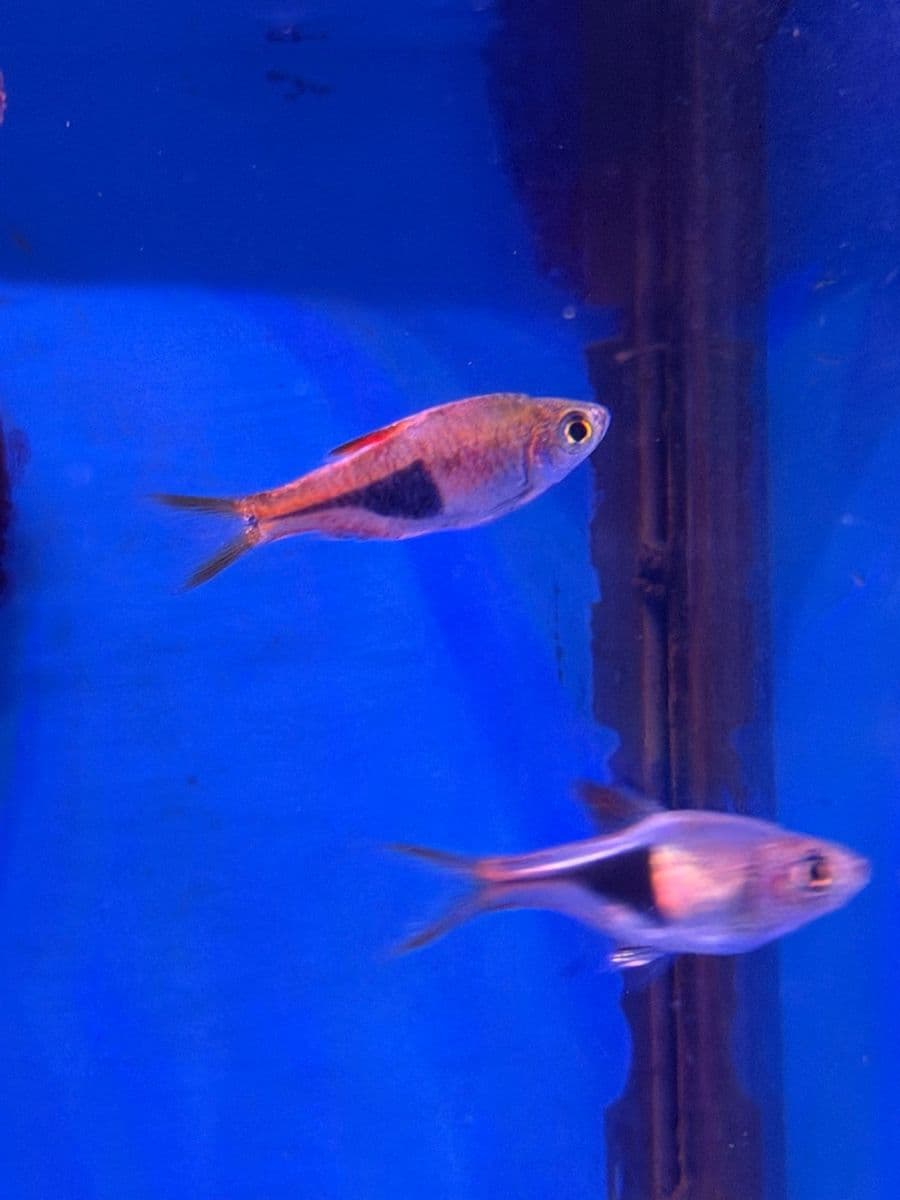
Fast-moving, peaceful mid-water schoolers whose muted orange-and-black patterning is documented as non-triggering for most bettas. No fin-nipping tendency reported. Keep in groups of 8–10 in a 10–15 gallon minimum. Multiple independent authorities list this as one of the safest active schooling companions for a male betta.
- K
Kuhli Loach
Nocturnal scavengers that burrow and hide during daylight hours, placing them on the opposite activity schedule from a diurnal betta and minimizing encounters. Water parameters align well (pH 6.0–7.5, temp 76–82°F). A 20-gallon minimum with abundant hiding spots is required for comfortable coexistence. Important correction to the original claim: this pairing is NOT safe with aggressive individual bettas — research confirms aggressive bettas will harass kuhli loaches into stress and disease. Recommend only for demonstrably calm betta specimens.
- N
Nerite Snail
Hard, thick shells deflect betta nips effectively, and slow deliberate movement rarely triggers sustained predatory interest. Most bettas investigate for a day or two then ignore them entirely. Some aggressive bettas do nip snail antennae, but nerite antennae regenerate and the snail's life is not threatened. No water-parameter conflict; 5-gallon minimum sufficient. One of the lowest-risk invertebrate pairings for a betta tank.
- M
Malaysian Trumpet Snail
Primarily nocturnal and spend daylight hours burrowed in the substrate — the inverse of a betta's activity window — so direct encounters are rare. Hard operculum provides protection when exposed. Bettas typically ignore them. The only management concern is population growth if the tank is overfed; this is a husbandry issue, not a compatibility or safety issue, and is controlled by reducing excess food.
Visit the store
660 East 14th Street,
Erie, PA.
Mon–Fri 12–6 · Sat 11–4 · Sun closed. Call ahead on livestock — what's on the floor rotates.