
Saltwater Fish
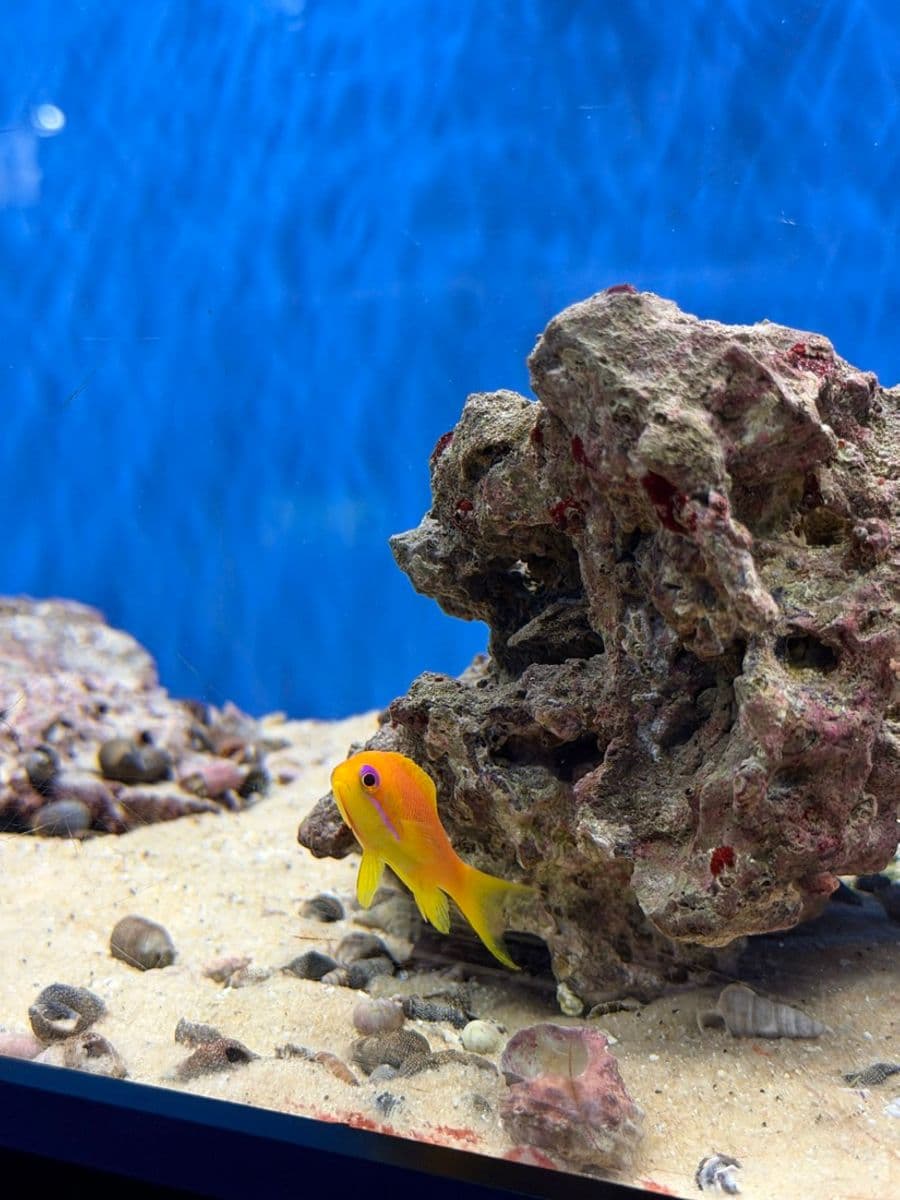
Lyre-tail Anthias.
A peaceful orange anthias that brings constant, fluttering movement to the upper water column. Reef-safe and best in a group; like all anthias they're planktivores that need frequent small feedings in a 55-gallon-plus reef with good flow.
Prices change with size and with each shipment. Call to check today's price.
Call (814) 456-9445We keep this species. What's in our tanks changes with every delivery, so call (814) 456-9445 before you drive in. We never ship live animals.
- Condition
- new
- Fulfillment
- Local pickup — Erie, PA
We never ship fish, coral, or invertebrates — every animal here is one you meet in person. Each one is acclimated and health-checked in-house before it goes out into the display tanks. This is a species we keep, and what is swimming on any given day changes with the deliveries, so please call (814) 456-9445 before you drive in.
Care at a glance
What to know before you take one home.
- Care level
- Wants stable water and a routine you already keep.
- Temperament
- Will chase or nip if it feels crowded.
- Community
- Works in a mixed tank if you pick the tankmates carefully.
- Reef safe
- Leaves corals and invertebrates alone.
- Adult size
- 3"
- Min tank size
- 55 gallons
- Diet
- Eats meat — frozen or live, not flake alone.
- Scientific name
- Pseudanthias squamipinnis
Good tank mates
A reef-safe, active swimmer that fits peaceful to semi-aggressive community reefs alongside tangs, wrasses, clownfish, and other mid-water schoolers. These anthias do best in groups, and since all start as females with one turning into a dominant male, keep one male with several females or a female-only group to limit squabbling. Avoid very aggressive tankmates that will outcompete them at feeding time, and don't crowd two males in a smaller tank.
Good to know
Lyretail anthias are sequential hermaphrodites: if the dominant male is removed, the largest female changes sex and color to become the new male of the harem.
What is in the tanks and each animal’s temperament vary — call (814) 456-9445 for pairing advice.
Good tankmates
Plays well with.
Species we’d keep in the same tank, with why each pairing works. What is in the tanks and each animal’s temperament vary — call (814) 456-9445 for advice on pairing.
New to stocking a tank? Read our guide on which fish live together.
Ultra Black Ice Clownfish
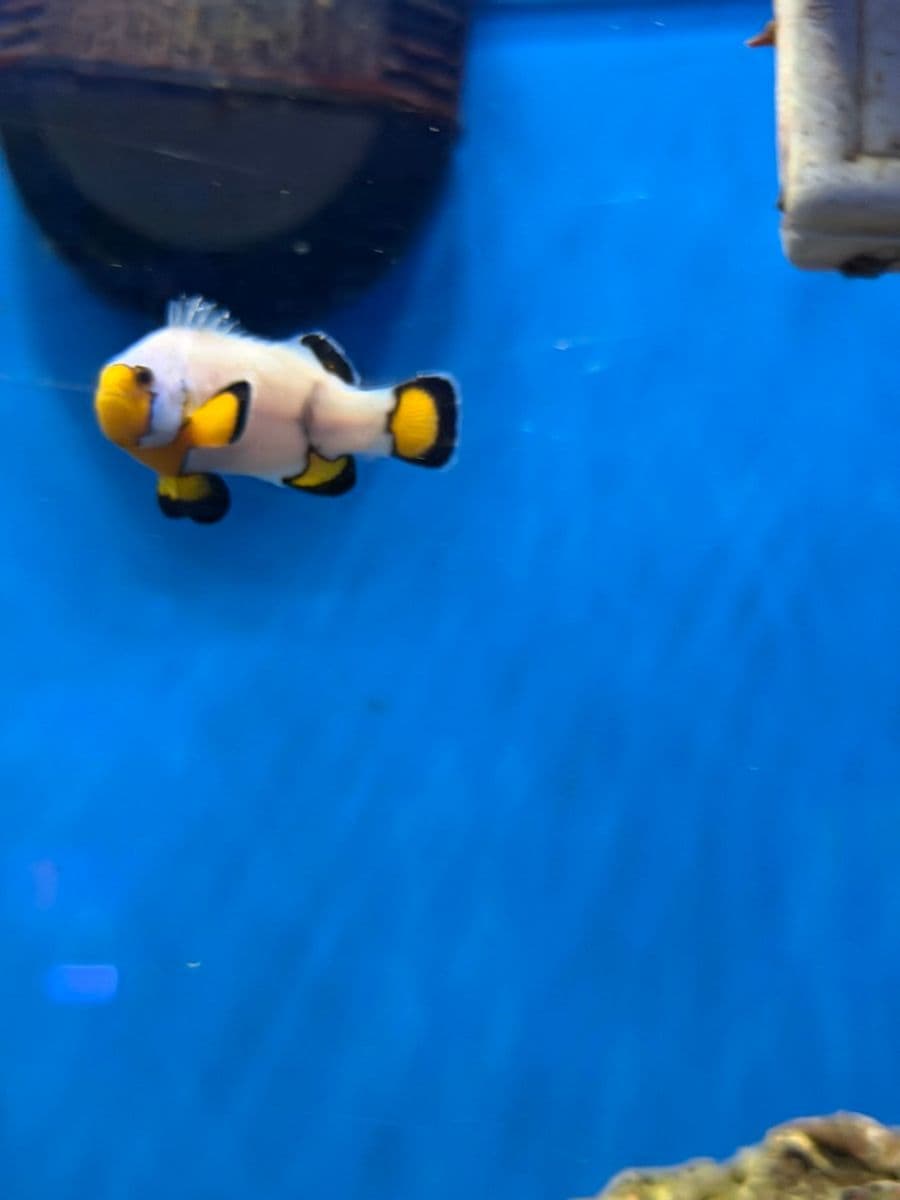
Ocellaris are the least aggressive clownfish species and remain anchored near their anemone host rather than roaming open water. Anthias are fast enough to avoid the occasional host-territory chase. Clownfish aggression toward anthias is rare and typically minor in adequately sized tanks; this pairing is practiced successfully in reef aquaria worldwide.
Yellow Tang
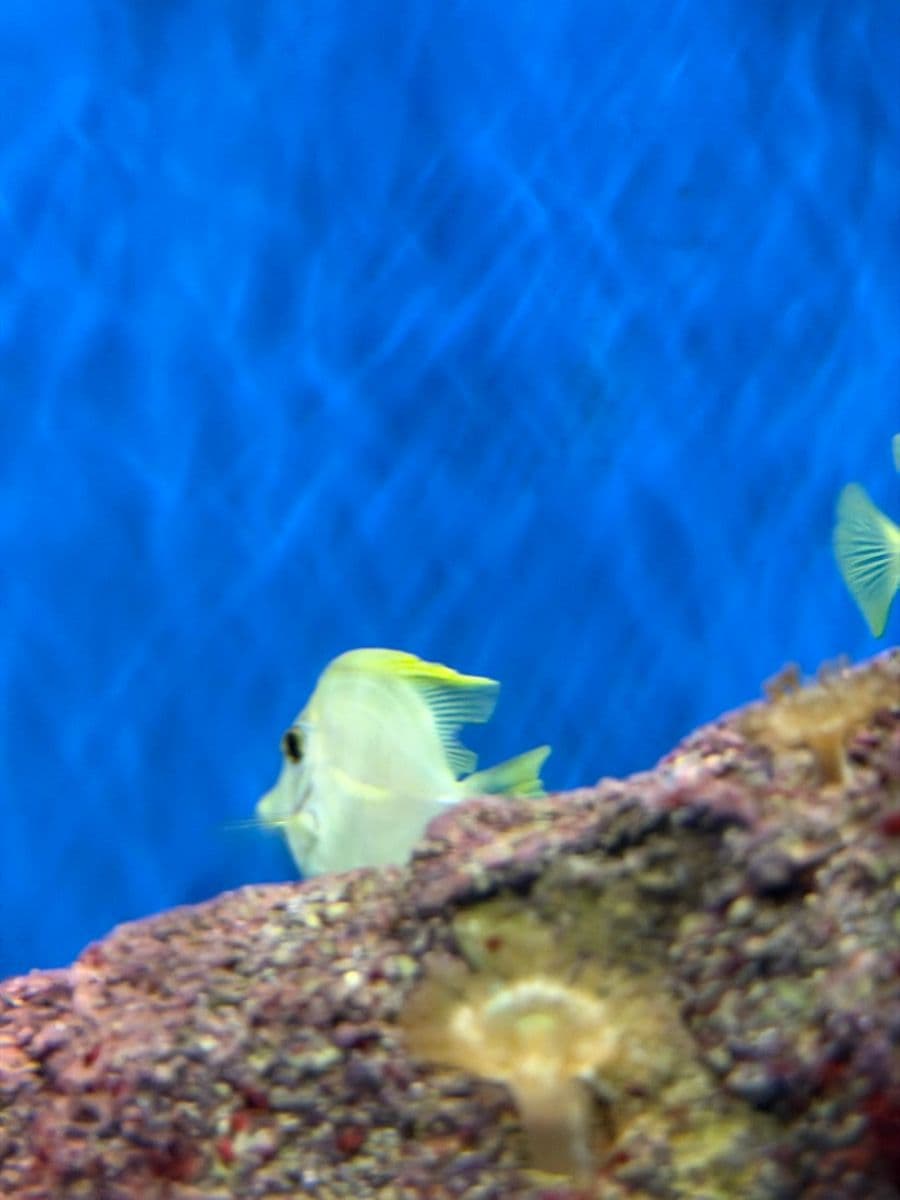
Dietary niches are non-overlapping — yellow tangs are herbivores grazing algae on rockwork while lyretail anthias are zooplankton hunters in open water. Both species require 100+ gallon systems, so the same tank-size floor applies. No known aggression between these species.
- F
Fairy Wrasse
Peaceful, reef-safe wrasses occupy the mid-column and rockwork zones while anthias patrol open water, so there is no meaningful territorial or dietary overlap. The pairing is widely documented as safe, and adding wrasses before a dominant male anthias is established prevents any sequencing aggression.
- N
Neon Goby
At under 2 inches, the neon goby is fully peaceful and occupies rockwork as a cleaning station — no dietary competition with zooplankton-feeding anthias, no territorial overlap, and no fin-nipping history with any species. Broadly compatible with reef fish.
Visit the store
660 East 14th Street,
Erie, PA.
Mon–Fri 12–6 · Sat 11–4 · Sun closed. Call ahead on livestock — what's on the floor rotates.