
Saltwater Fish
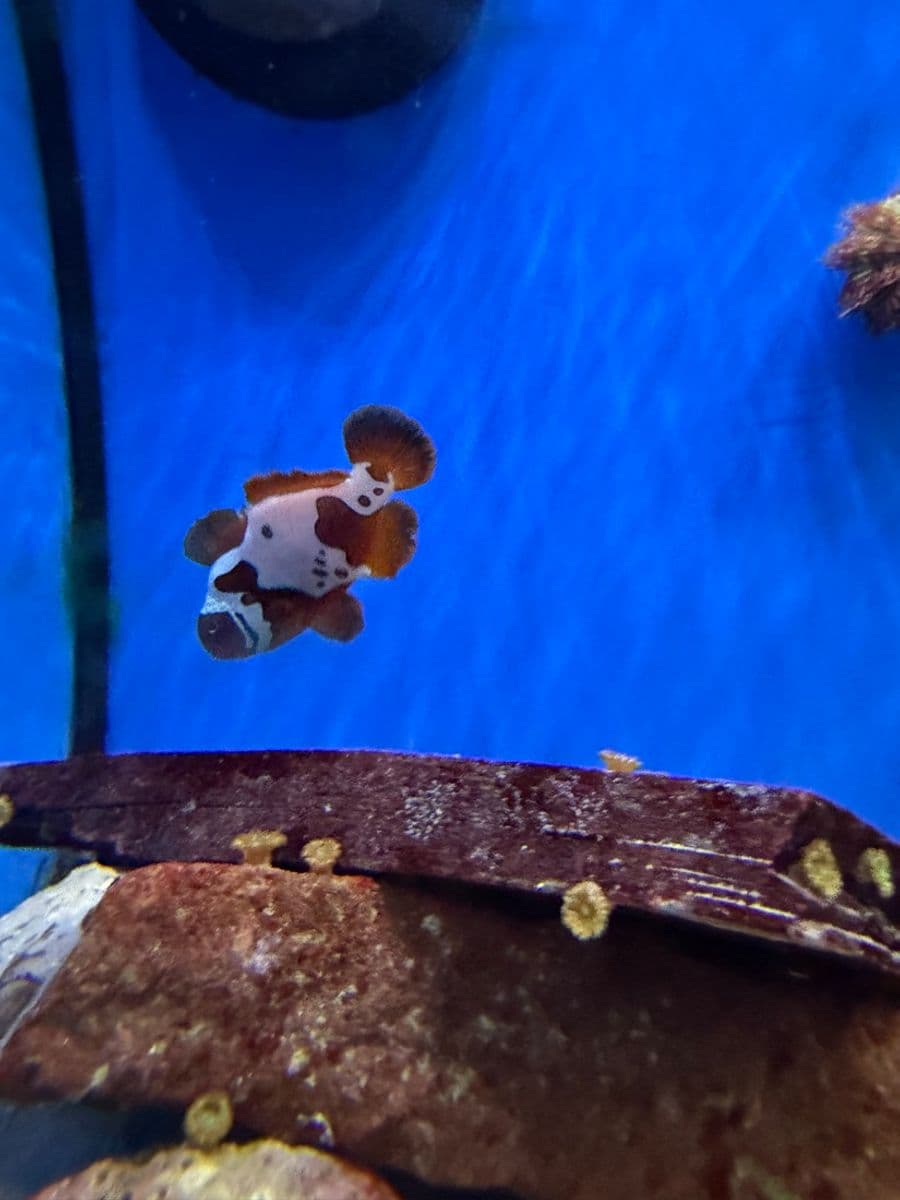
Lightning Maroon.
A prized maroon clownfish strain webbed with lightning-bolt white markings over deep red. Hardy but feisty — maroons grow large and get territorial — so give it space and tankmates that can hold their own. Reef-safe and a real showpiece clown.
In-store purchase only. Live fish, coral, and invertebrates are sold at our Erie store only. They cannot be bought online, and we do not ship live animals under any circumstances.
Live fish are priced per supplier batch — prices may vary. Call to confirm current pricing.
- Condition
- new
- Fulfillment
- Local pickup — Erie, PA
Live animals are sold in store only — we do not ship fish, coral, or invertebrates. Every animal is acclimated and health-checked in-house before it reaches the sales floor. This is a species we carry — it's most likely in the tanks around delivery days, but live stock changes daily. Please call (814) 456-9445 to confirm availability before you drive in.
Care at a glance
What to know before you take one home.
- Care level
- Intermediate
- Temperament
- Semi aggressive
- Adult size
- 6"
- Min tank size
- 30 gallons
- Diet
- Omnivore
- Scientific name
- Premnas biaculeatus
Good tank mates
Maroon clownfish are the largest and most aggressive clowns, and a settled female will bully most things her size or smaller, so house her with bolder, sturdy tankmates like tangs, larger wrasses, and dwarf angels rather than timid or slow fish. Keep only one maroon clown or a bonded male-female pair per tank, never two unpaired adults; do not add other clownfish species, as she will likely attack them. She is reef safe and will not harm corals or most cleanup-crew inverts.
Good to know
The Lightning Maroon's lightning-bolt webbing of white striping arose from a single wild fish collected in Papua New Guinea and was painstakingly line-bred from that founder into the captive strain hobbyists keep today.
Stock and individual temperament vary — call (814) 456-9445 for pairing advice before you buy.
Good tankmates
Plays well with.
Species we’d keep in the same tank, with why each pairing works. Stock and individual temperament vary — call (814) 456-9445 to confirm before you buy.
New to stocking a tank? Read our guide on which fish live together.
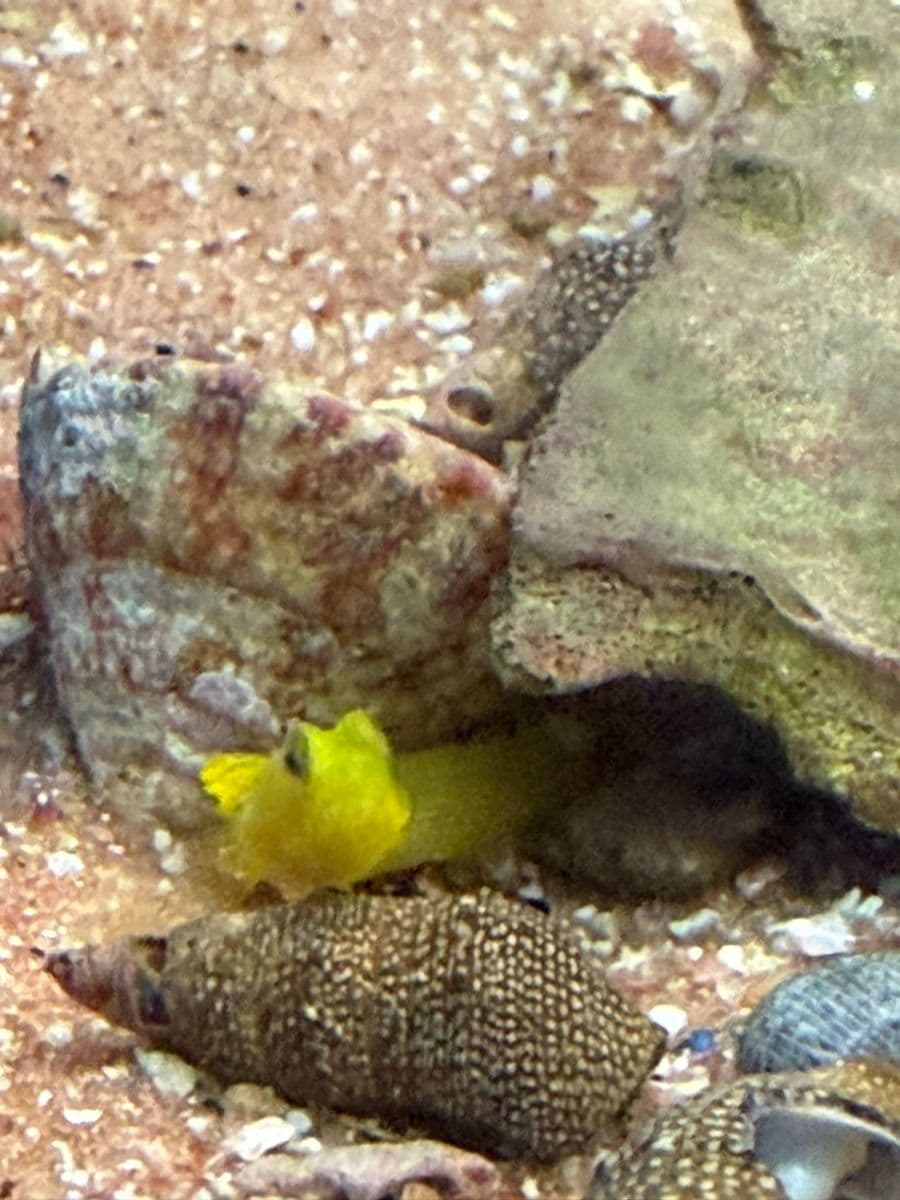
Yellow Watchman Goby
Substrate and burrow-dwelling habit keeps it physically separated from the clownfish's anemone territory. Community consensus on Reef2Reef and multiple care guides specifically cite bottom-dwelling watchman gobies as one of the better maroon-compatible tankmates precisely because they never enter the mid-water zone the maroon defends. Introduce the goby before the clownfish and ensure ample sandy substrate with rockwork burrow options.
- B
Bicolor Blenny
Rockwork percher and algae grazer that almost never leaves the rock face — it occupies a genuinely different niche than the clownfish's open-water anemone territory. Multiple compatibility sources confirm blennies coexist with clownfish in properly structured tanks. The maroon's aggression is most intense toward fish that enter its mid-water strike zone; a blenny glued to the rock typically does not trigger that response.
- F
Foxface Rabbitfish
At 7–9 inches and armed with venomous dorsal spines, the Foxface has credible physical deterrence against even a mature female maroon. Multiple sources confirm the spines discourage harassment from territorial clownfish. Requires a minimum 75-gallon tank (appropriate for a maroon setup anyway) and should be kept well-fed to minimize the small risk of coral-nipping.
- A
Anthias
Open-water mid-to-upper column schoolers that occupy a distinctly different ecological niche than the maroon's anemone corner. Territorial maroon clownfish that are settled at their anemone generally do not range far enough to persistently harass fast-moving open-water schoolers. Requires 75+ gallons, groups of at least 3, and feedings 2–3 times daily; these are care demands, not a compatibility problem with the maroon itself.
Visit the store
660 East 14th Street,
Erie, PA.
Mon–Fri 12–6 · Sat 11–4 · Sun closed. Call ahead on livestock — what's on the floor rotates.