
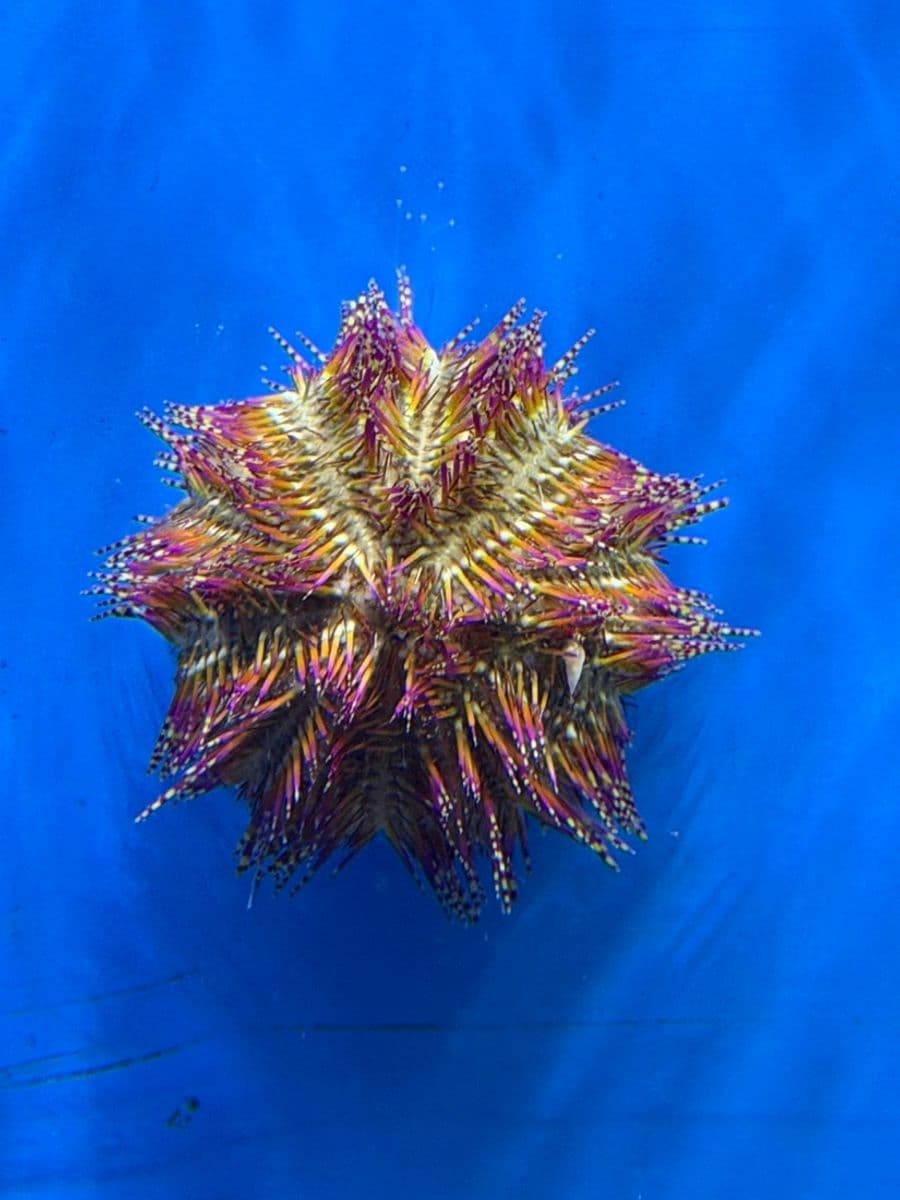
Invertebrates
Flower Urchin.
It is widely cited as one of the most venomous urchins on Earth, and its sting comes not from its spines but from the small flower-shaped pincer organs that cover its surface.
In-store purchase only. Live fish, coral, and invertebrates are sold at our Erie store only. They cannot be bought online, and we do not ship live animals under any circumstances.
Live fish are priced per supplier batch — prices may vary. Call to confirm current pricing.
- Condition
- new
- Fulfillment
- Local pickup — Erie, PA
Live animals are sold in store only — we do not ship fish, coral, or invertebrates. Every animal is acclimated and health-checked in-house before it reaches the sales floor. This is a species we carry — it's most likely in the tanks around delivery days, but live stock changes daily. Please call (814) 456-9445 to confirm availability before you drive in.
Care at a glance
What to know before you take one home.
- Temperament
- Peaceful
- Adult size
- 6"
- Min tank size
- 53 gallons
- Diet
- Herbivore
- Scientific name
- Toxopneustes pileolus
Good tank mates
The flower urchin is a slow-moving invert best kept by experienced aquarists, as it can capture and eat small slow fish, snails, and other inverts that settle on it, so do not pair it with tiny bottom-dwelling tankmates it could trap. More importantly, it is one of the most venomous sea urchins in the world: its flower-like pedicellariae deliver a dangerous, potentially life-threatening sting to people, so it must be handled only with great care and is not suited to tanks where hands go in often or where children may reach.
Good to know
It is widely cited as one of the most venomous urchins on Earth, and its sting comes not from its spines but from the small flower-shaped pincer organs that cover its surface.
Stock and individual temperament vary — call (814) 456-9445 for pairing advice before you buy.
Good tankmates
Plays well with.
Species we’d keep in the same tank, with why each pairing works. Stock and individual temperament vary — call (814) 456-9445 to confirm before you buy.
New to stocking a tank? Read our guide on which fish live together.
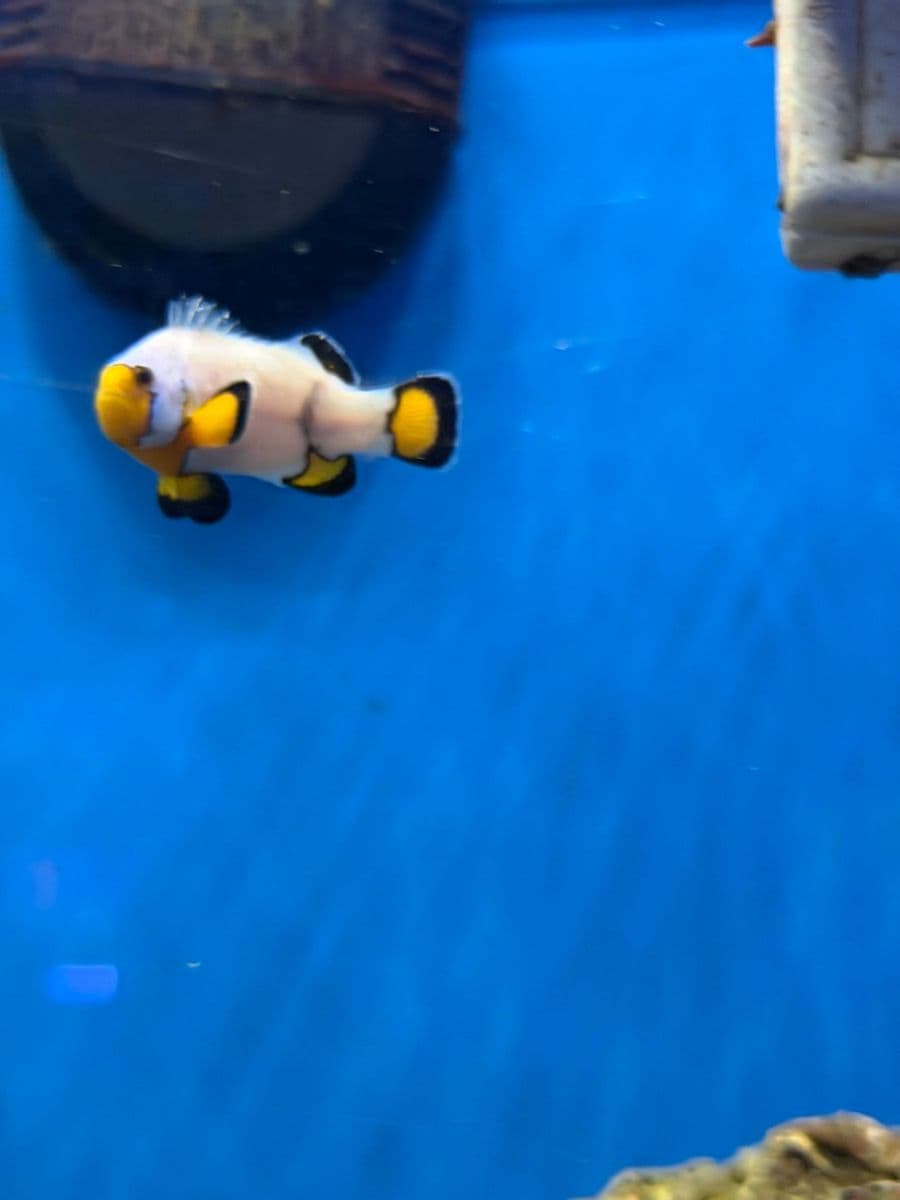
Ultra Black Ice
Peaceful mid-water fish confirmed by published reef care guides not to bother invertebrates. Toxopneustes pileolus is documented as fish-safe (SaltCorner); clownfish swim well above the urchin's grazing zone and ignore urchins entirely. No predation risk in either direction.
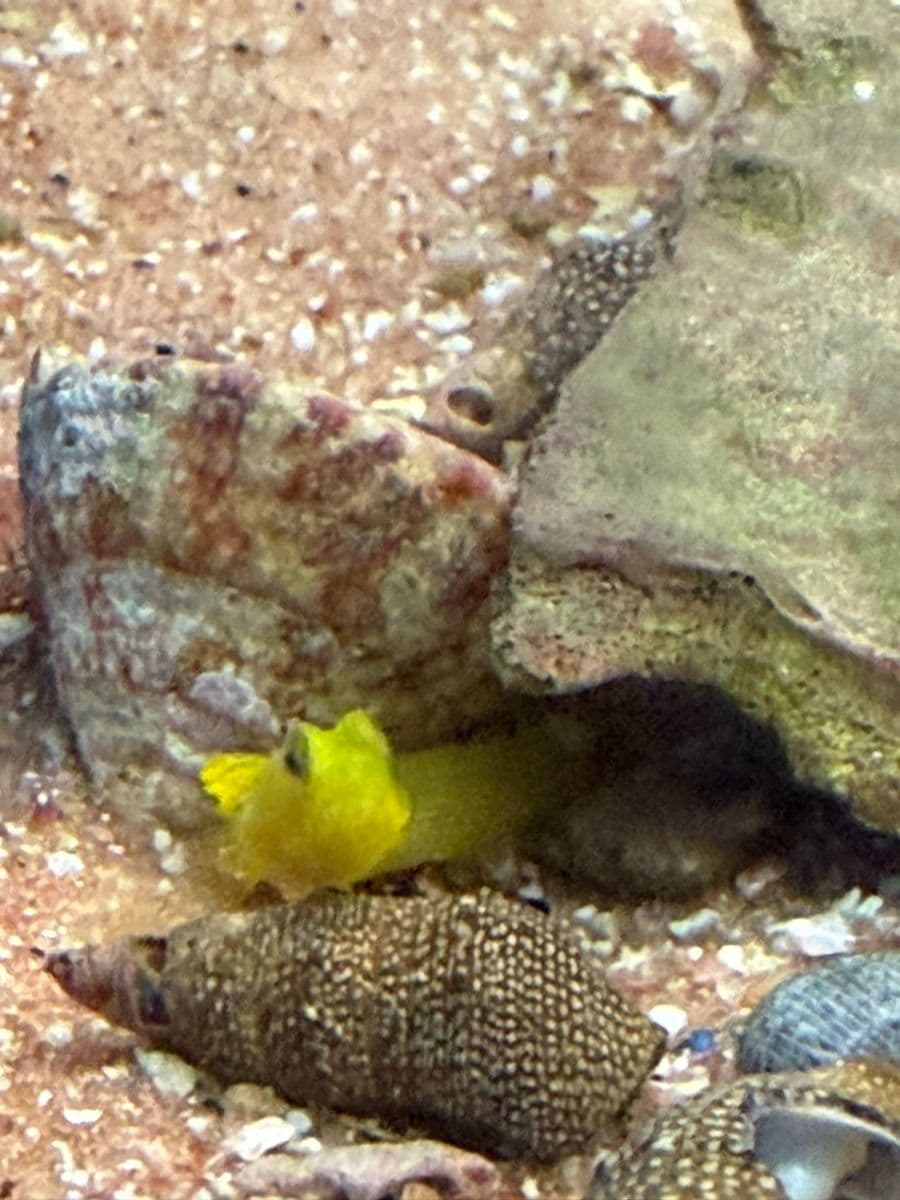
Yellow Watchman Goby
Published watchman goby care guides explicitly lists urchins among the invertebrates safe to house with this species. Bottom-dwelling burrower poses no threat to the urchin, and the flower urchin does not prey on mobile fish. Burrowing activity near the urchin is a minor nuisance at most, not a compatibility failure.
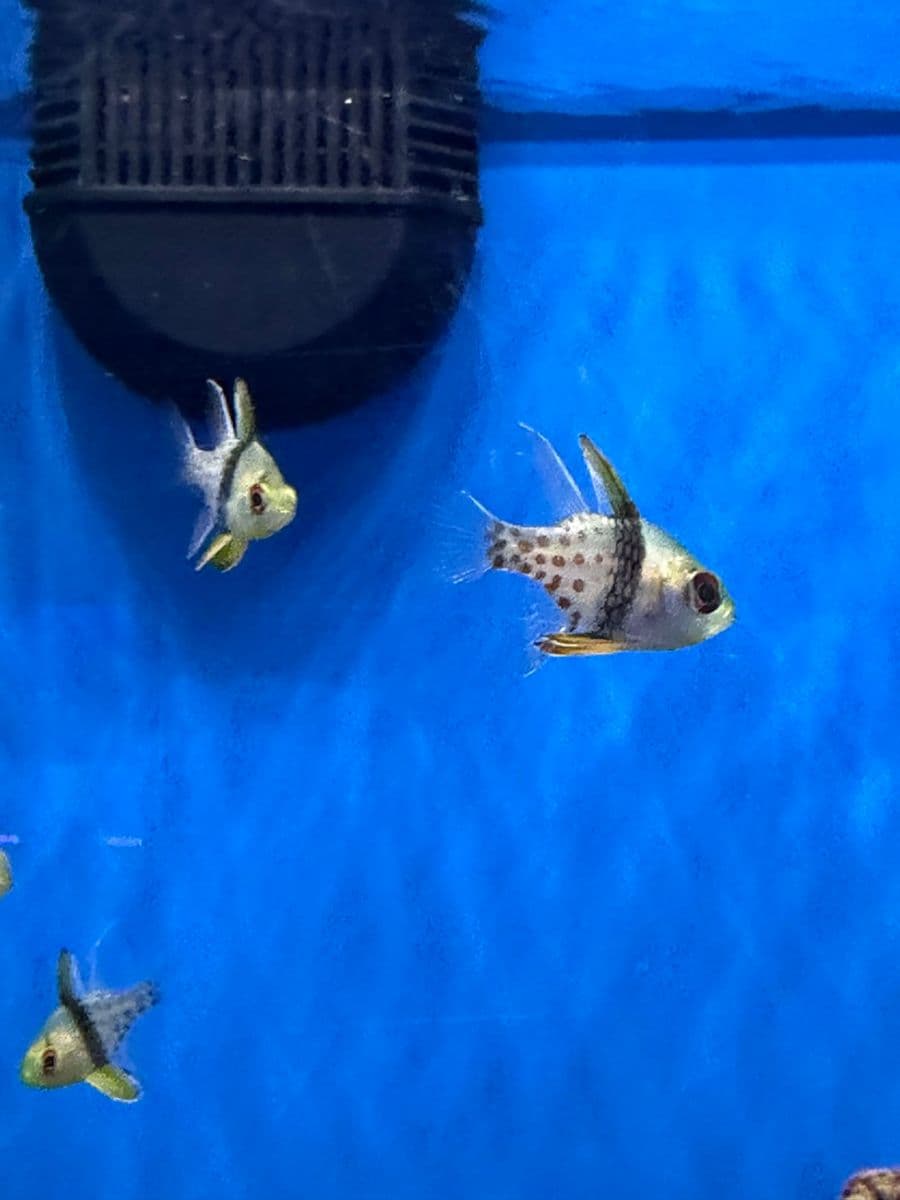
Pajama Cardinalfish
Slow-moving, peaceful mid-water reef fish confirmed reef-safe by published reef care guides. Does not interact with substrate-grazing invertebrates; occupies open water away from the urchin's path. The flower urchin poses no threat to swimming fish, and the cardinalfish will not provoke or crowd it.
- N
Neon Goby
Tiny cleaner fish confirmed reef-safe by published reef care guides. Perches on rockwork and cleans other fish; produces no aggression toward invertebrates and has no behavioral reason to approach a moving urchin. The flower urchin will not prey on this species.
- C
Canary Blenny
Confirmed reef-safe with corals and invertebrates by multiple published reef care guides and dedicated care guides. Its venomous grooved canine teeth are a strictly defensive response to fish aggressors — they are not deployed against invertebrates. Occupies mid-water and rocky niches with no substrate-grazing overlap with the urchin.
Visit the store
660 East 14th Street,
Erie, PA.
Mon–Fri 12–6 · Sat 11–4 · Sun closed. Call ahead on livestock — what's on the floor rotates.