What this covers
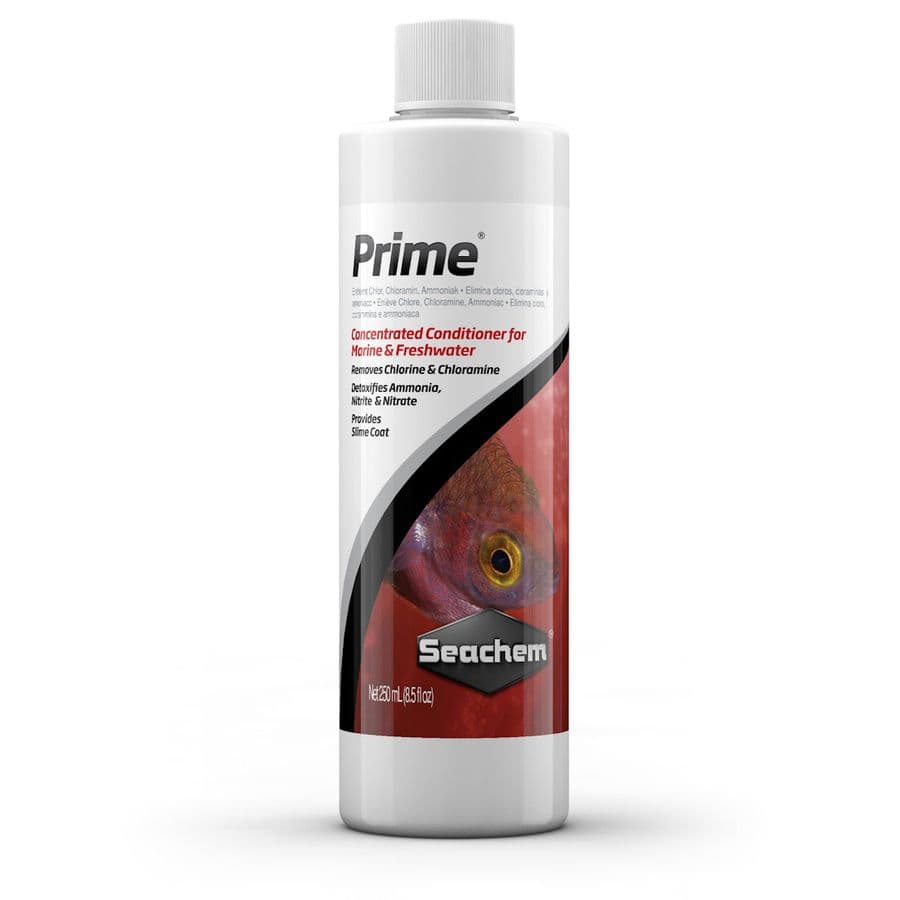
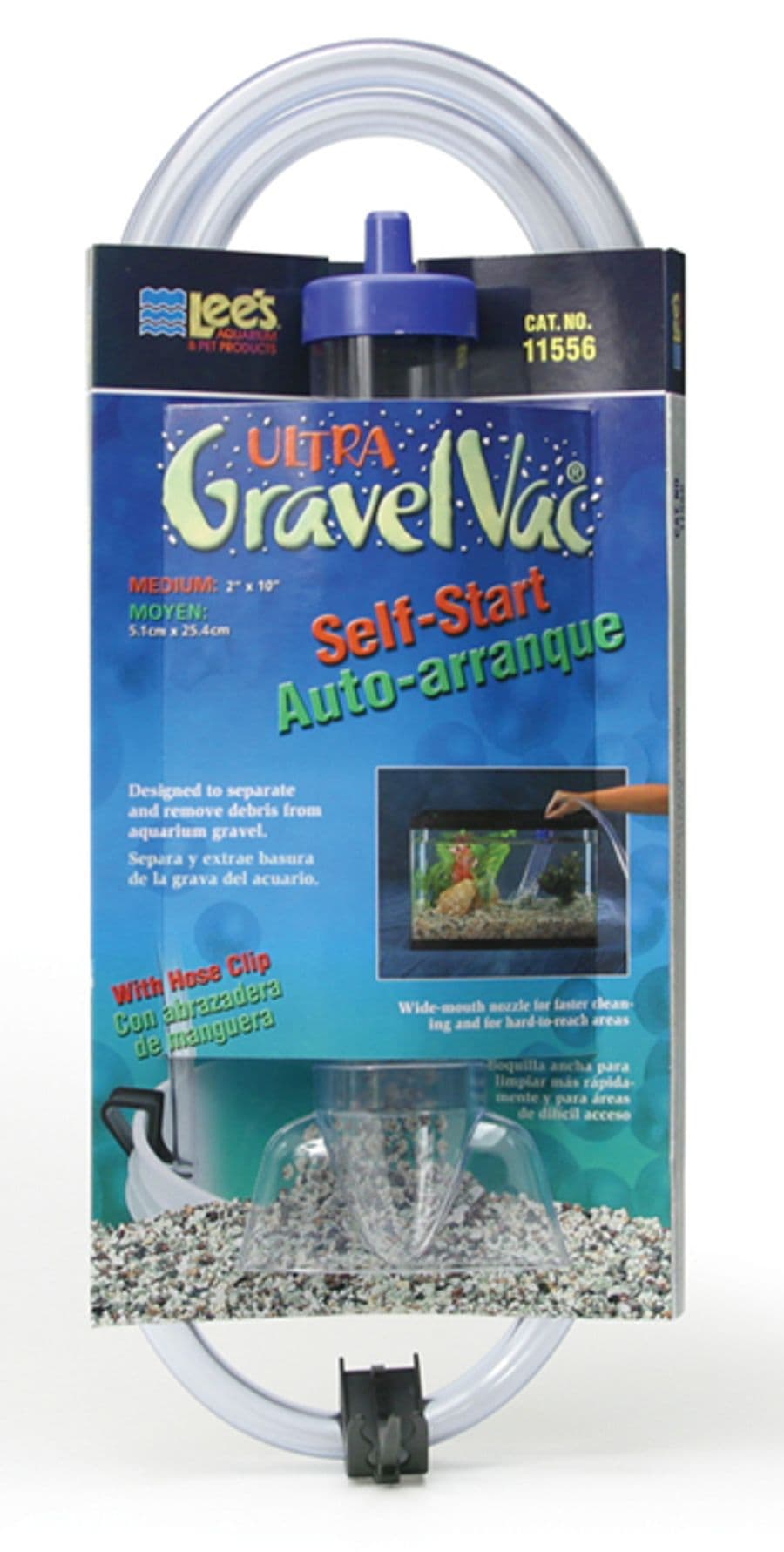
Cleaning & water changes
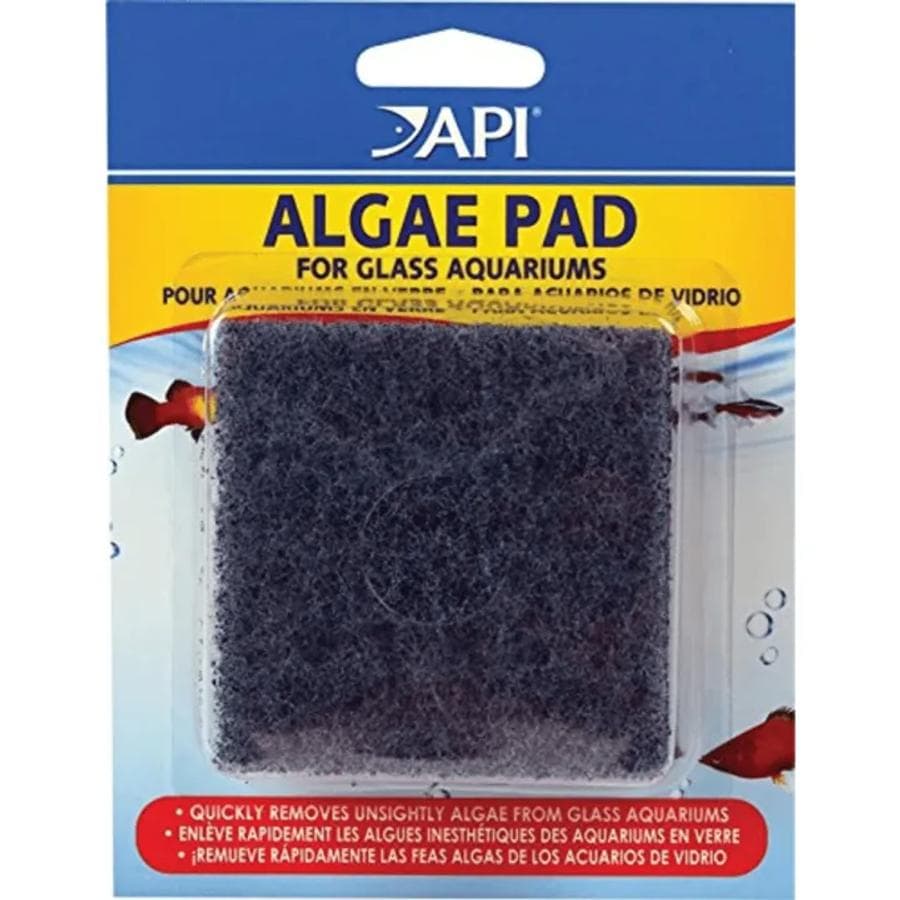
Water changes, siphoning and glass cleaning. This is how waste actually leaves a tank.
30 in the shop
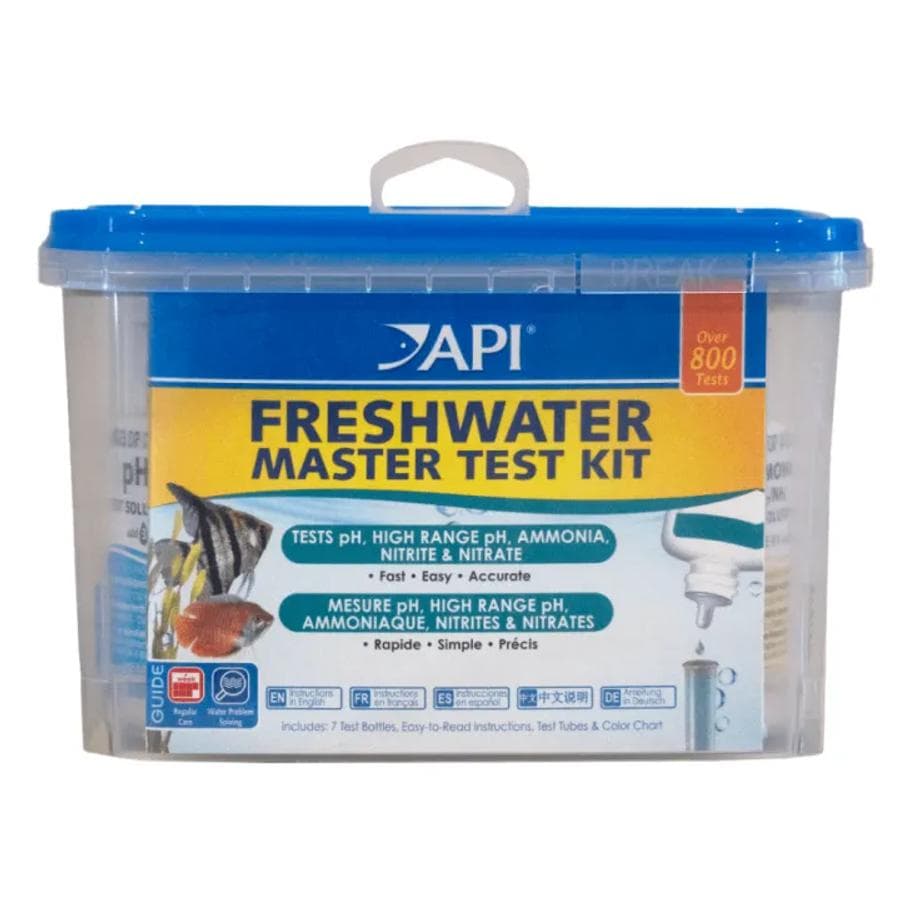
Testing & monitoring water
Reading the numbers in your water, so you fix problems before you can see them.
18 in the shop
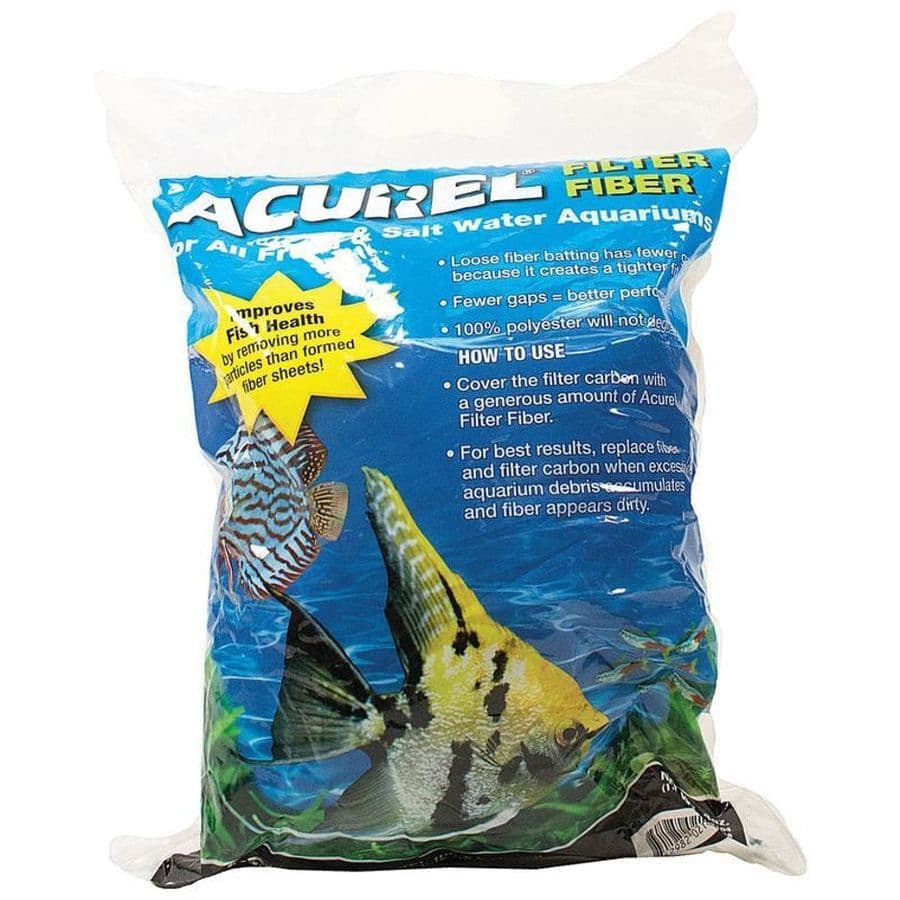
Replacement parts & media refills
Cartridges, media refills and impellers. The parts that wear out on a schedule.
25 in the shop
The single biggest reason fish tanks crash is not too little cleaning. It is the wrong kind. People let a tank slide for a month, panic at the algae and cloudy water, and then tear the whole thing apart in one afternoon. That deep clean strips out the very bacteria keeping the water safe and sends the tank into a mini-cycle that can be worse than the mess they started with. A good aquarium runs on the opposite habit: a few minutes of light upkeep on a steady rhythm, so nothing ever gets bad enough to need a rescue. Here is what that rhythm actually looks like across a day, a week, and a month, and the short list of jobs you should deliberately space out.
| When | What to do | Why it matters |
|---|---|---|
| Daily | A two-minute look: feed lightly, count heads, check the heater and filter | Catches a sick or missing fish early, which is why it leads the list |
| Weekly (or every other) | Change 20–25% of the water and gravel-vac the substrate | Dilutes nitrate and pulls out the waste that causes future problems |
| Every 1–2 weeks | Test ammonia, nitrite, nitrate and pH | Reads what your eyes can't — clear water can still be stressing fish |
| Monthly | Rinse filter media in old tank water (never the tap) | Keeps flow up without killing the bacteria that do the work |
| Never the same day | A big gravel-vac + a full filter clean, or replacing all your media at once | Each disturbs the bacteria — stacking them spikes ammonia |
Daily: a two-minute look
Most days you barely touch the tank. Feed your fish a small amount they can finish in a couple of minutes, and use that feeding as your daily check-in. Count heads while they come up to eat, since the easiest way to catch a problem early is to notice when a fish is missing, hiding, or breathing hard. Glance at the thermometer to confirm the heater is holding temperature, and listen for your filter running at its normal hum. That is the whole daily job. If everything looks and sounds right, you are done. The point of the two-minute look is not to fuss with the tank, it is to spot trouble while it is still small and easy to fix.
Weekly: the water change
The water change is the heart of tank maintenance and the one task worth doing on a reliable weekly or every-other-week schedule. Swapping out 20 to 25 percent of the water dilutes the nitrate and other waste that builds up between changes, and topping back up with fresh, conditioned water keeps your parameters steady. While the water is down, run a gravel vacuum over the substrate to pull up the uneaten food and waste that settles there, which is where a lot of future water problems start. Always treat the new tap water with a conditioner before it goes in, because Erie tap water carries chlorine that will harm your fish and your filter bacteria. Our water change guide walks through the full routine and how to set your exact percentage and frequency.
Every week or two: test your water
Your water can look perfectly clear and still be stressing your fish, so testing is how you read what your eyes cannot. Test for ammonia and nitrite, plus nitrate and pH, on a regular schedule, weekly while a tank is young and every couple of weeks once it has proven stable. Ammonia and nitrite should always read zero in a cycled tank, and a reading above that is your early warning that something has slipped. Nitrate is the number that tells you whether your water changes are keeping pace. Do your test before a water change, since that shows you the water at its dirtiest and tells you if your schedule needs to tighten up. Our water testing guide explains what each number means and how to act on it.
Monthly: filter and glass
Once a month a few jobs come due that you do not need to touch every week. Your filter media gets clogged with the gunk it has been trapping, so give it a rinse to keep water flowing freely. The trick here is to rinse it in old tank water you just siphoned out, never under the tap, because tap water kills the beneficial bacteria living in that media and chlorine undoes the work your filter does. If a sponge or floss pad is falling apart, replace it, but swap only one piece at a time so the colony has somewhere to live while the new media seeds. This is also when you wipe the algae film off the front glass for a clear view. A light monthly wipe keeps it from ever building into the green sheet that needs real scrubbing. If algae is getting ahead of you, our algae guide covers how to identify each type and bring it back under control.
The jobs to deliberately spread out
A handful of tasks are fine on their own but dangerous when you stack them on the same day, because each one disturbs your beneficial bacteria a little. Do not do a big gravel vacuum and a full filter cleaning in the same session, since together they can knock back enough bacteria to spike your ammonia. Never replace all of your filter media at once for the same reason. And resist the urge to scrub every surface during a single deep clean, which is exactly the move that crashes an otherwise healthy tank. If your water ever goes cloudy or your test numbers climb after a heavy cleaning session, your tank has likely slipped into a mini-cycle. Our cycling guide explains what is happening and how to ride it out without losing fish.
A schedule you can actually keep
The best maintenance schedule is the one you will stick to, so build it around your real week rather than an ideal one. Pick a regular day for your water change and let everything else hang off that anchor. Many keepers test right before the change and do their monthly filter rinse on the first water change of the month, which folds three tasks into one tidy session. Write your test numbers down so you can see a trend forming over weeks instead of reacting to one odd reading. And if a week gets away from you, a slightly late water change is no crisis. A steady rhythm works because small, consistent upkeep never lets the tank reach the state where a rescue is needed. If you ever want a second opinion on a reading or a problem, call us in Erie at (814) 456-9445 or bring your numbers by and we will talk through what they are telling you.
Common questions
- How often should I clean my fish tank?
Do a partial water change of about 20 to 25 percent of the volume every week, vacuuming the gravel as you go. Test your water on the same rhythm, and rinse your filter media and wipe the glass about once a month. Avoid full deep cleans, which strip out the bacteria that keep the water safe.
- How much water should I change and how often?
For most tanks, 20 to 25 percent weekly works well. A heavily stocked tank needs more frequent changes, a lightly stocked one can go a bit longer. Test your nitrate before a change to see whether your current schedule is keeping up.
- Can I clean my filter and gravel on the same day?
It is better to space them out. Both your filter media and your gravel hold beneficial bacteria, so cleaning both at once can knock the colony back enough to spike ammonia. Rinse the filter one week and vacuum the gravel during your water change another.
- Should I rinse filter media in tap water?
No. Tap water carries chlorine that kills the beneficial bacteria living in your filter media. Rinse the media in old tank water you just siphoned out during a water change, which cleans off the gunk without harming the colony you depend on.
- What happens if I deep clean my whole tank at once?
A full scrub usually backfires. Stripping the gravel and filter and glass all in one session removes so much beneficial bacteria that the tank can slip into a mini-cycle, with rising ammonia and cloudy water. Light, regular upkeep is far safer than an occasional rescue clean.
Questions?
Talk it through with our team.
Bring your tank size and what you're keeping — we'll help you sort it out at the shop, 660 East 14th Street in Erie, or over the phone.