What this covers
You picked out a new fish, we bagged it up, and now it is riding home in a little bag of water. That bag is the problem you are about to solve. Its temperature has drifted, its pH has shifted during the trip, and for a saltwater fish the salinity will not match your tank either. Drop the fish straight into your aquarium and it has to absorb all of those changes at once, which is what people mean by shock. Acclimating is just the short, calm routine that walks the fish from bag water to tank water gently. Here is how to do it, with the quick method for hardy fish and the thorough method for everything sensitive.
01Why a new fish needs acclimating
Two things change inside that bag on the way home. The temperature creeps toward room temperature, and the water chemistry drifts as the fish breathes and the bag sits closed. By the time you get home, the bag water and your tank water can be different enough that a sudden switch stresses the fish hard. Temperature is the obvious one. The quieter one is the dissolved chemistry: pH and hardness, plus salinity in a marine tank. A fish moved too fast across a big chemistry gap can stop eating, clamp its fins, or simply not recover. Invertebrates and corals are even more sensitive, because they cannot tolerate a quick swing in salinity at all. The fix is the same idea every time. Give the fish a little while to meet the new water halfway before it has to live in it.
02Step one for every fish: match the temperature
Before you open anything, float the sealed bag in your aquarium for fifteen to twenty minutes. This lets the bag water come up or down to your tank temperature without the fish having to do any work. Turn the tank lights off first, since a dark, quiet acclimation is far less stressful than a bright one. If you have a long drive home in an Erie winter, the bag can arrive genuinely cold, so do not skip this step. Floating handles temperature and only temperature. Once the bag feels close to tank temperature, you move on to the water chemistry, and that is where you pick a method.
03The quick method: float and add
For a hardy freshwater fish going into an established community tank, this is plenty. After the bag has floated and matched temperature, open it and roll the top down so it floats like a cup. Every five minutes, add a small scoop of your tank water into the bag. Repeat that for about twenty to thirty minutes, by which point the fish is breathing a blend that is mostly your tank water. Then comes the one rule everybody breaks: do not pour the bag into your tank. Net the fish out of the bag and release it into the aquarium, and pour the leftover bag water down the sink. That bag water can carry whatever was in the store system, and there is no reason to add it to your display.
04The thorough method: drip acclimation
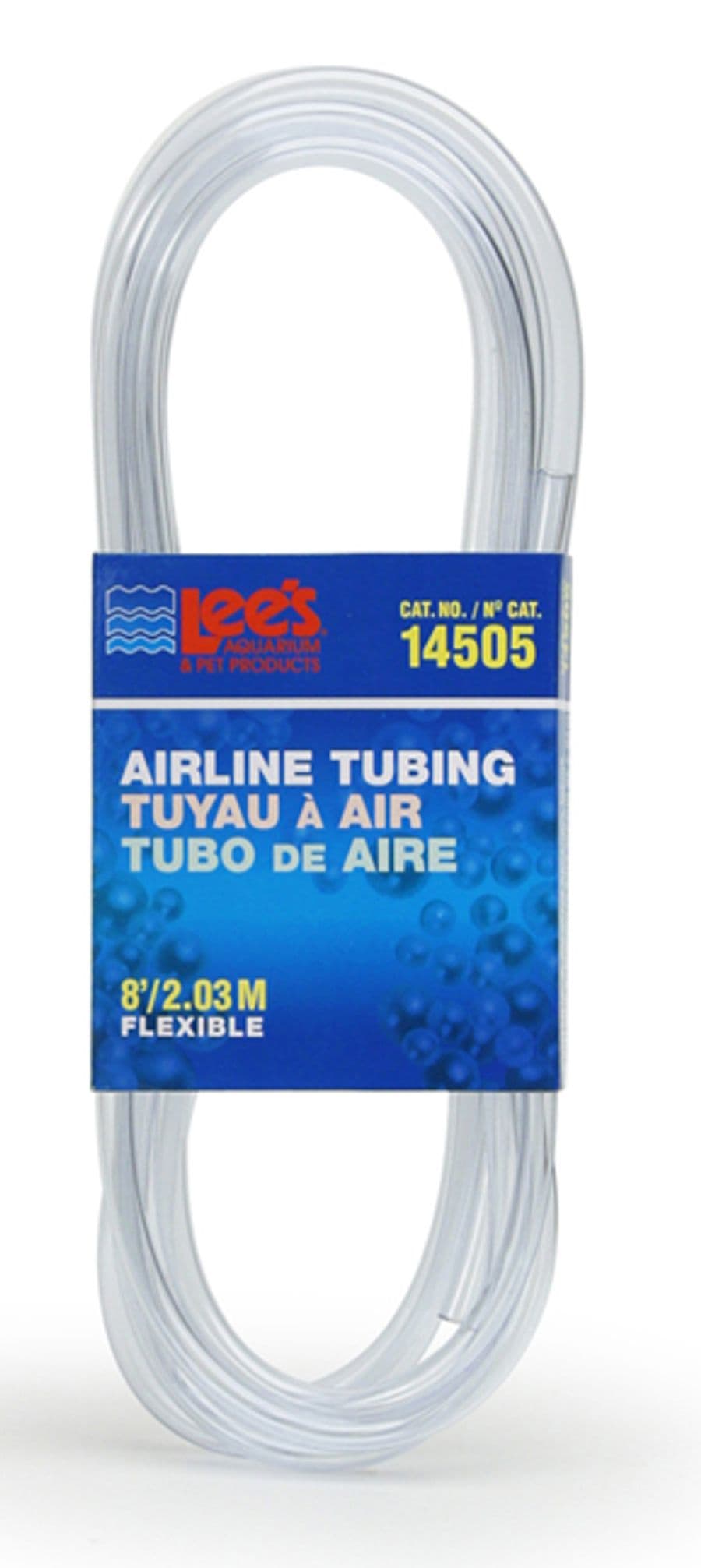
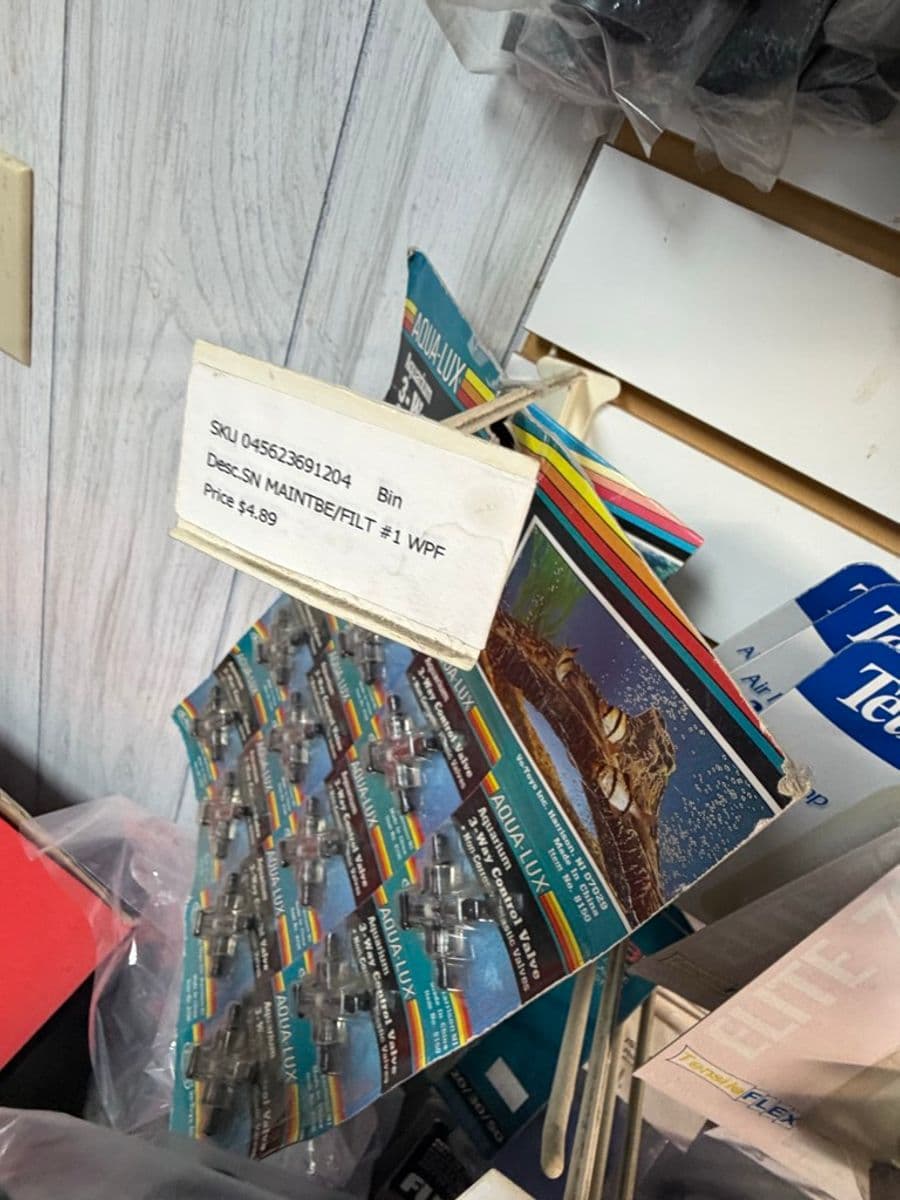
Drip acclimation is the gold standard, and it is what we would use for saltwater fish, any invertebrate or coral, wild-caught species, and anything delicate or expensive. Pour the fish and its bag water into a clean bucket or container that sits lower than the tank. Run a length of airline tubing from the aquarium down into the bucket to start a slow siphon, and put a control valve on the line so you can dial the flow down to roughly two to four drips per second. Let it drip until the water in the bucket has about doubled or tripled, which usually takes forty-five minutes to an hour. That slow climb lets the fish adjust to your exact chemistry a drop at a time. When it is done, net the fish into the tank and discard the bucket water. A few dollars of airline tubing and a small valve is the whole rig, and it is the single best thing you can do for a sensitive new arrival.
05Saltwater corals and invertebrates
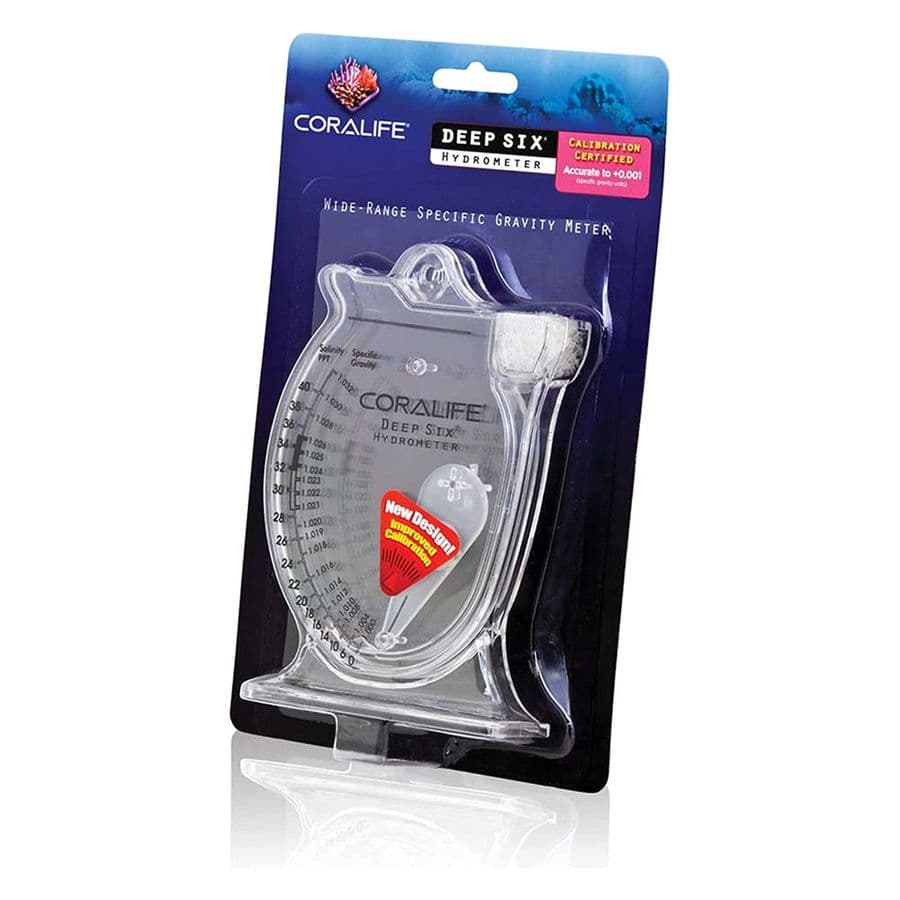
If you keep a reef or any marine invertebrate, drip acclimation is not optional. Invertebrates like snails and shrimp react badly to a fast change in salinity, and corals are no different, so they need the slow drip even more than fish do. Go gentle and give them the full hour, or a bit longer for a touchy coral. It helps to know your tank salinity and the bag salinity going in, so a hydrometer earns its keep here. Everything else follows the same routine: drip until the volume has roughly tripled, then move the animal into the tank without letting that water in with it. Our saltwater starter guide covers the wider picture of getting a marine tank ready for its first livestock.
06The rules that make or break it
A handful of habits separate a smooth move-in from a dead fish. Keep the tank lights off through the whole process so the new arrival stays calm. Never pour bag or bucket water into your display, and always net the fish across instead. Do not feed a brand-new fish right away, since it is too stressed to eat and the uneaten food just fouls the water. Give it a few hours, or until the next day, before its first small meal. And if you can, acclimate a new fish into a quarantine tank rather than straight into your main display, so anything it brought home gets caught before it reaches your other fish. Our quarantine guide walks through how to set that up and why it is worth the trouble.
Common questions
- How long should I acclimate a new fish?
Float the bag for fifteen to twenty minutes to match temperature, then allow another twenty to thirty minutes for a quick freshwater acclimation, or forty-five to sixty minutes for a drip. Sensitive marine invertebrates and corals can take an hour or more.
- Should I use the float method or drip acclimation?
Float and add is fine for a hardy freshwater fish going into an established tank. Use drip acclimation for saltwater fish, any invertebrate or coral, wild-caught species, and anything delicate or expensive, because it eases the chemistry change far more gradually.
- Do I add the bag water to my aquarium?
No. Net the fish out and release just the fish, then pour the leftover water down the sink. That water can carry pollutants or disease from the store system, and there is no benefit to adding it to your display.
- Can I feed my new fish right after adding it?
Wait a few hours, or until the next day. A freshly moved fish is too stressed to eat, and leftover food only pollutes the water while it settles in. A small first meal once it looks comfortable is the better move.
- Do invertebrates and corals need different acclimation?
They need the slow drip method without exception, and ideally a bit more time than a fish. Invertebrates and corals cannot handle a quick salinity change, so the gradual drip is what keeps them alive.
Questions?
Talk it through with our team.
Bring your tank size and what you're keeping — we'll help you sort it out at the shop, 660 East 14th Street in Erie, or over the phone.