
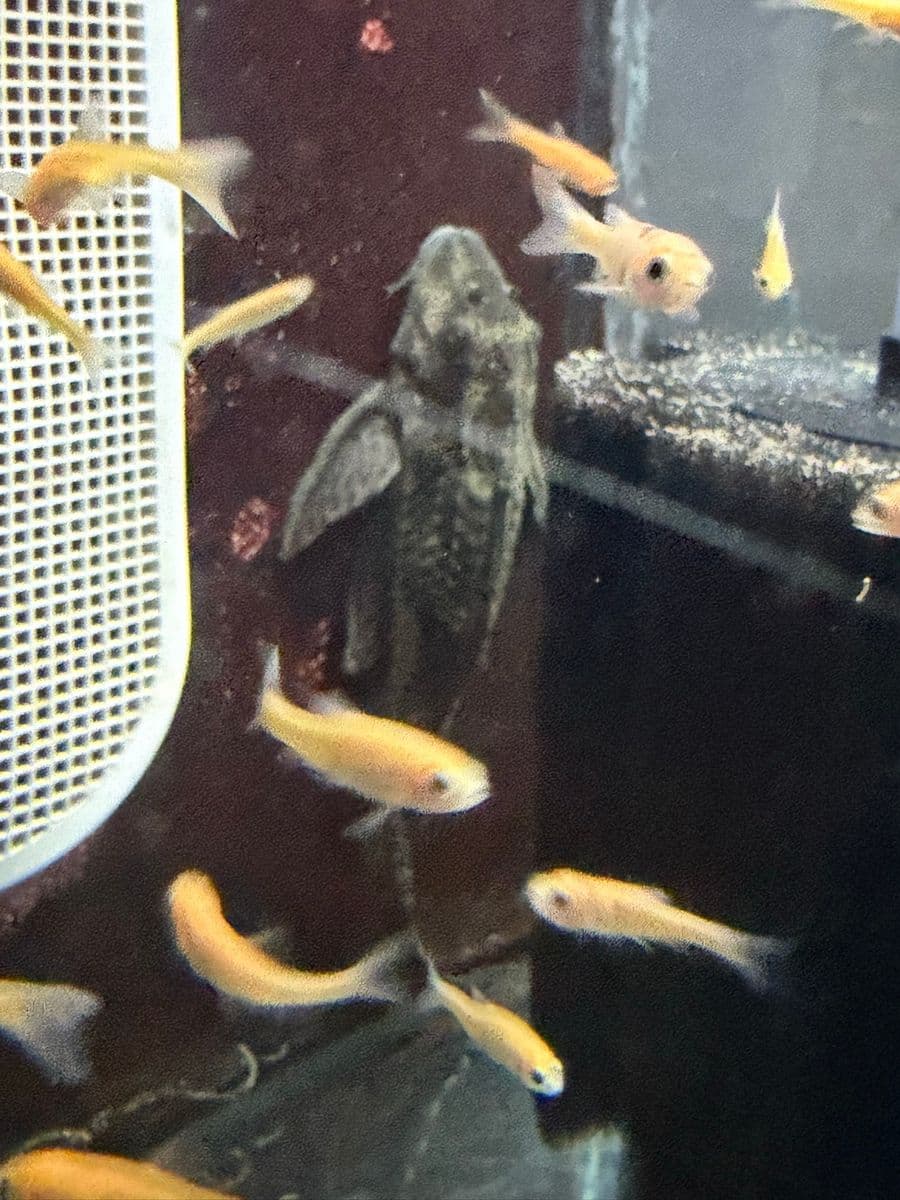
Freshwater Fish
Common Pleco (Plecostomus).
The workhorse algae-eater of the hobby — hardy, beginner-friendly, and always grazing. Available as a young fish or a grown-out six-plus-inch specimen already putting in work. Remember it keeps growing toward 18 inches: give it a 75-gallon-plus tank with driftwood and strong filtration to keep up with its appetite.
Prices change with size and with each shipment. Call to check today's price.
Call (814) 456-9445We keep this species. What's in our tanks changes with every delivery, so call (814) 456-9445 before you drive in. We never ship live animals.
- Condition
- new
- Fulfillment
- Local pickup — Erie, PA
We never ship fish, coral, or invertebrates — every animal here is one you meet in person. Each one is acclimated and health-checked in-house before it goes out into the display tanks. This is a species we keep, and what is swimming on any given day changes with the deliveries, so please call (814) 456-9445 before you drive in.
Care at a glance
What to know before you take one home.
- Care level
- Hardy, and forgiving of the swings a new tank throws at it.
- Temperament
- Will chase or nip if it feels crowded.
- Community
- Works in a mixed tank if you pick the tankmates carefully.
- Adult size
- 18"
- Min tank size
- 30–150 gal by age
- Diet
- Eats algae and greens, not meat.
- Scientific name
- Hypostomus plecostomus
Grows into its tank
Juvenile (sold at ~3 in)30 galSub-adult (~6–12 in)75 galAdult (15+ in)150 galGood tank mates
This is a semi-aggressive, semi-community fish, so it needs similarly-sized, not-timid tankmates rather than a peaceful nano setup. A grown pleco can get territorial with other bottom-dwellers, and at 18 inches full-grown it dwarfs small community fish. Good company: larger, sturdy fish that share its big-tank needs, and it generally ignores mid- and upper-water swimmers. Avoid small fragile fish, other large plecos competing for the same territory, and slow long-finned fish it may rasp at. When in doubt on pairing, give us a call.
Good to know
The common pleco can grow to around 18 inches long, far larger than many keepers expect when they take a small one home.
What is in the tanks and each animal’s temperament vary — call (814) 456-9445 for pairing advice.
Good tankmates
Plays well with.
Species we’d keep in the same tank, with why each pairing works. What is in the tanks and each animal’s temperament vary — call (814) 456-9445 for advice on pairing.
New to stocking a tank? Read our guide on which fish live together.
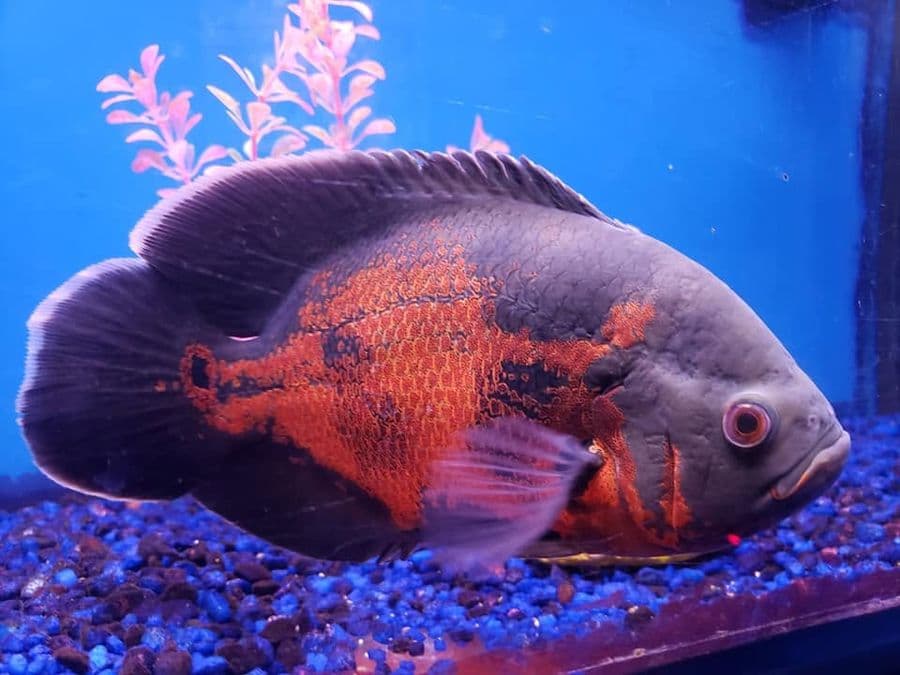
Red Tiger Oscar
A classic South American pairing. Oscars share the pleco's warm, slightly acidic water parameters (74–81 °F, pH 6–8) and are too large as adults to be threatened by the pleco. The pleco's bony armor plates deflect Oscar aggression. The critical size-match caveat: a small juvenile pleco can be swallowed by an Oscar and its backward-pointing spines can lodge fatally for both fish — both specimens must be adults before housing together, in a tank of at least 125 gallons.
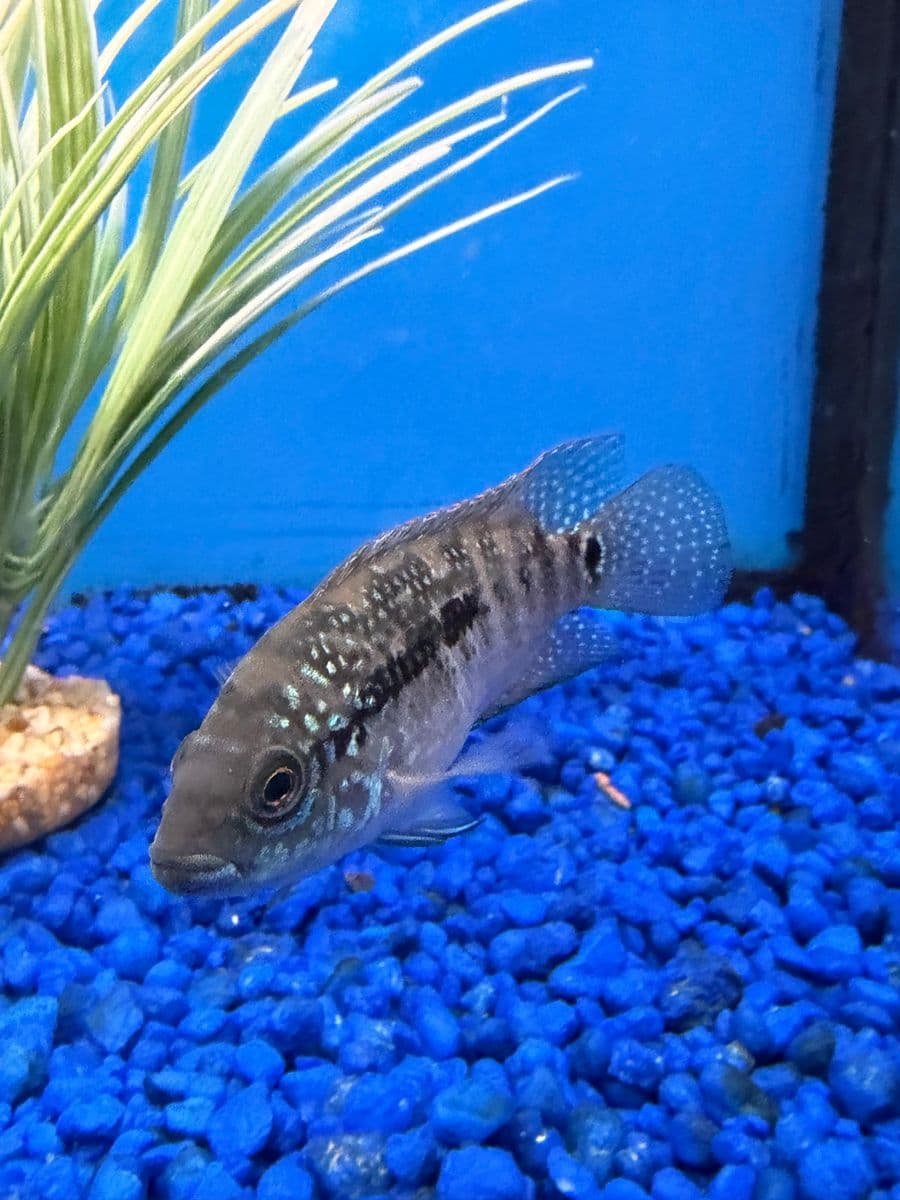
Jack Dempsey
Plecos are compatible with Jack Dempseys. The pleco's heavy armor means the Jack Dempsey's territorial aggression does no lasting harm — the pleco weathers nips and chases without injury. The two species occupy different water-column zones (Jack Dempsey mid-water, pleco substrate), reducing direct conflict. Both thrive in similar temperature and pH ranges.
- G
Green Terror Cichlid
Large armored plecos are among the safest Green Terror tankmates because the pleco's bony plates render it effectively immune to cichlid aggression, and it occupies the substrate zone that Green Terrors rarely claim as core territory. Water parameters overlap well. The only elevated-risk period is active breeding, when Green Terrors become indiscriminately aggressive toward all tank inhabitants — a caveat that applies equally to any species paired with breeding Green Terrors.
Visit the store
660 East 14th Street,
Erie, PA.
Mon–Fri 12–6 · Sat 11–4 · Sun closed. Call ahead on livestock — what's on the floor rotates.